Why Your Breaker Keeps Tripping and When to Stop Resetting It
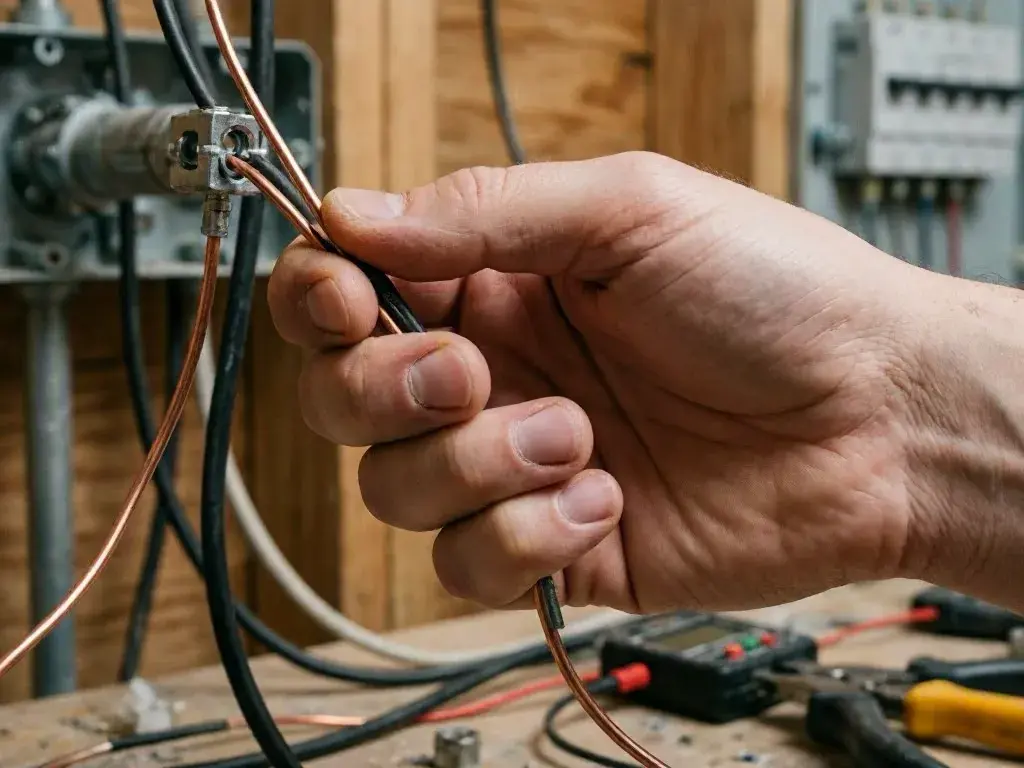
A circuit breaker keeps tripping when a circuit has an overload, short circuit, ground fault, or bad device. Unplug appliances and turn off connected loads. Reset the breaker once. If it trips right away, stop resetting it. Also stop if it smells hot, makes noise, or shows scorch marks. Arrange electrical troubleshooting instead. Repeated resets can hide bad wiring. They can also raise fire and shock risks. An electrician can test the circuit and find the fault. They can fix damaged wiring or equipment. They can also check for circuit breaker repair or an electrical panel upgrade.
Get a Free Estimate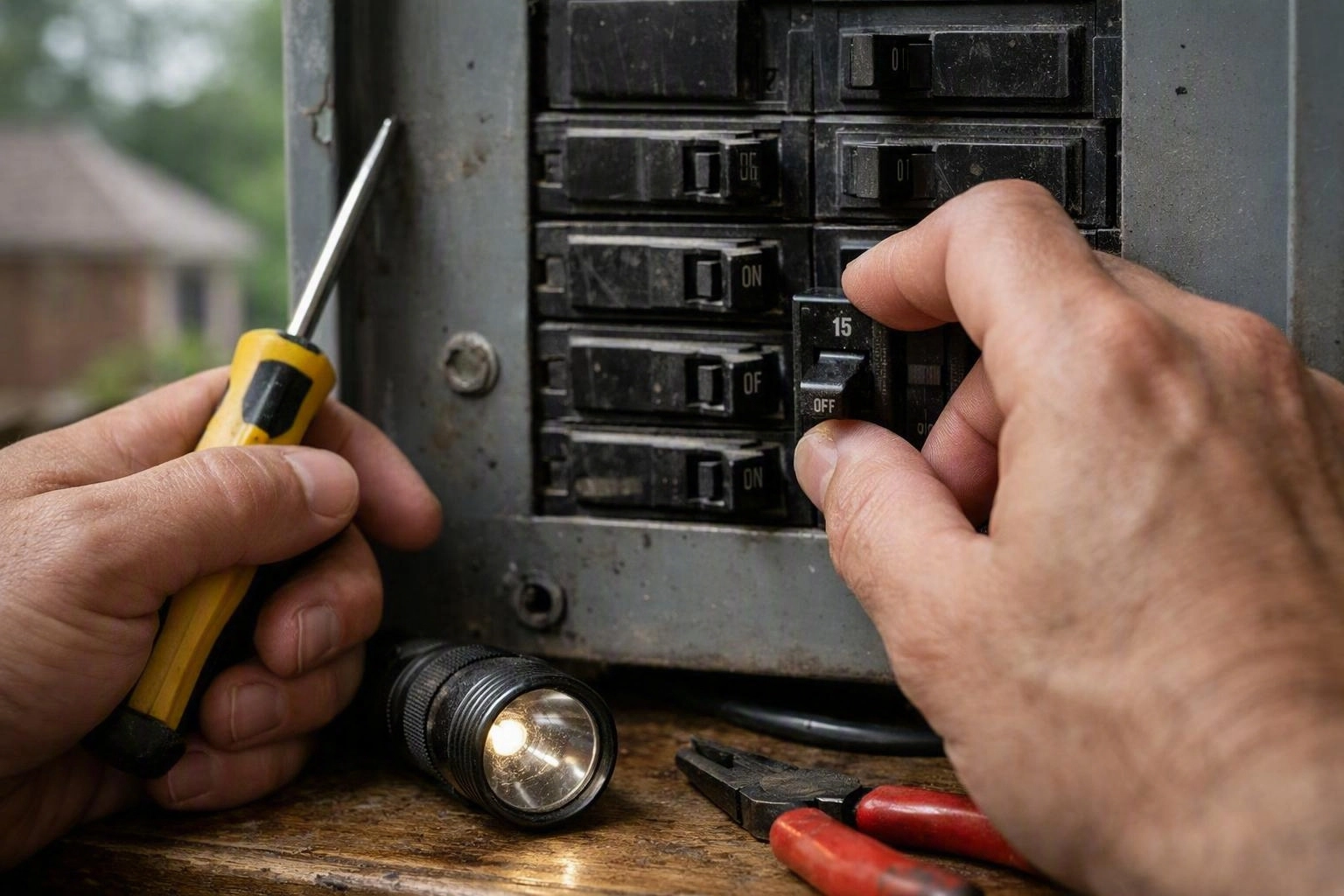
Circuit breakers sense unsafe electrical conditions. They stop power during overloads, short circuits, and ground faults. The device protects wiring, equipment, and people. At ElectricianCincinnatiOH.com, we help find the cause. Sometimes a load change solves the issue. Other times, the circuit has a deeper fault.
Why Does My Circuit Breaker Keep Tripping?
A circuit breaker keeps tripping when current rises above the safe limit. A short circuit or ground fault can also trip it. Common causes include too many high-wattage appliances. Damaged wiring can cause trips too, so can wet areas, bad devices, and worn breakers. Repeated trips need a proper check. They don't need repeated resets.
The breaker is an overcurrent protection device. It opens the circuit when current becomes unsafe. This action protects the wiring. It doesn't show the cause by itself. The circuit may carry too much demand. A fault may also send current down the wrong path.
Old wiring can make the cause harder to find. Insulation, connections, and outlets may wear down. A crowded electrical panel can also limit safe circuit separation. Mixed loads may create repeat trips. These trips can seem random at first.
Notice what was running when the power stopped. A cooking trip may involve kitchen loads or moisture. A trip during heating may involve the heater or its circuit. Outdoor equipment needs extra care. Rain, wet ground, and bad cords raise ground-fault risks.
Signs You Should Stop Resetting the Breaker
Stop resetting the breaker if you see heat, arcing, exposed damage, or shock. These signs may point to an active fault. Leave the circuit off. Seek qualified help.
- Burning smell: A hot plastic or electrical smell is a warning. Check near outlets, appliances, breakers, and panels.
- Scorch marks: Brown, black, melted, or changed areas may show heat or arcing.
- Warm electrical panel: A panel or breaker that feels hot needs prompt inspection.
- Buzzing, humming, crackling, or sizzling needs prompt inspection. The sound may come from a panel, outlet, switch, or appliance.
- Stop using equipment that causes a shock, tingle, or painful feeling. This includes shocks from metal surfaces.
- Smoke, sparks, flames, or a growing odor need emergency electrical repair. Leave the area if needed.
Don't remove the panel cover. Don't touch exposed wires. If smoke or fire appears, move away and call emergency services. Never use water on powered equipment.
Why Does the Breaker Trip Immediately After I Reset It?
An immediate trip usually means the fault remains. A short circuit, ground fault, arc fault, or bad wire may cause it. A faulty appliance can do the same. Turn the breaker off. Unplug safe devices. Stop testing it if it trips again.
One appliance may be the cause. Its motor, heater, compressor, or power supply may have failed. Unplug only easy-to-reach devices. Don't pull damaged cords. Don't move wet equipment. Don't reach behind large appliances in an unsafe way.
A ground-fault circuit interrupter can also trip. This device is common in kitchens, bathrooms, garages, laundry areas, and outdoor circuits. It senses current leaking to ground. Moisture near an outlet can keep it tripped. Resetting it isn't a repair.
An arc-fault circuit interrupter can trip from a dangerous arc. Loose terminals may cause an arc, so can nail damage, crushed cable, old insulation, or hot connections. Some faults may sit inside walls. Others may hide at unseen connections.
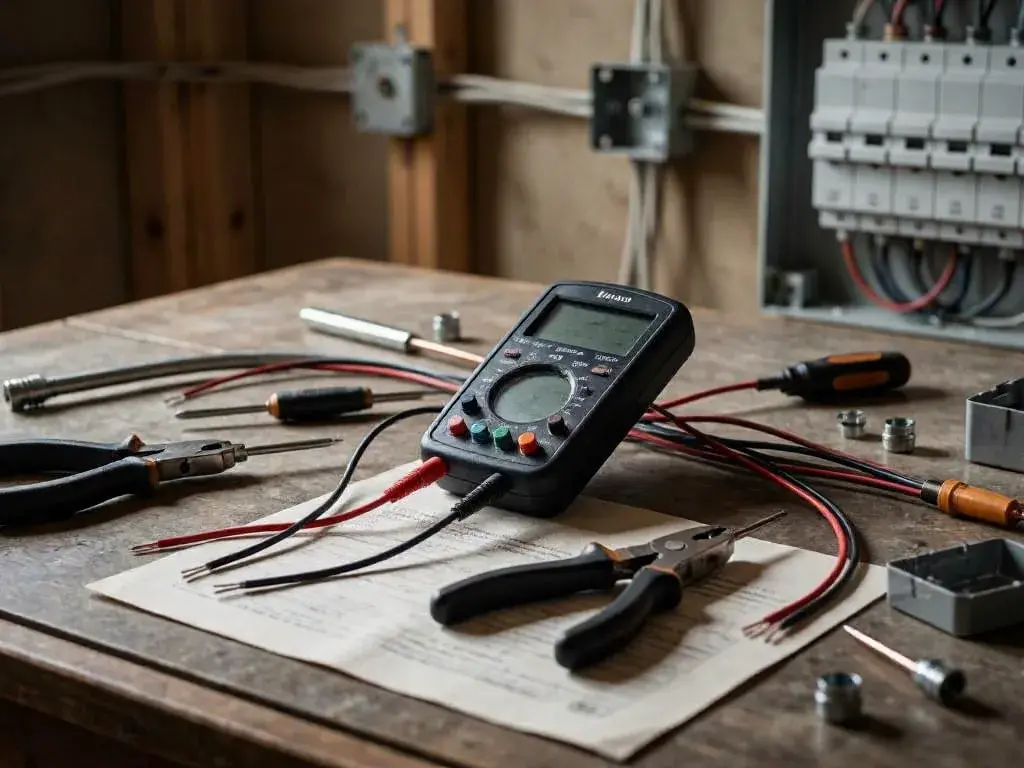
When the trip is immediate, treat it as a wiring fault. Our team may separate loads and test the circuit. We may check insulation and connections. We may also compare circuit demand with breaker size. Electrical Troubleshooting in Cincinnati can include panel, outlet, switch, appliance, and wiring tests.
Most basic diagnostic visits take about one to three hours. Hidden damage can take longer. Old wiring and several loads can also add time. This range isn't a promise. The circuit's condition controls the work time.
What Should I Do if My Breaker Will Not Reset?
A breaker that won't reset may still sense a problem. The cause may be an overload, short circuit, ground fault, or failed breaker. Move the handle fully off. Unplug safe-to-reach devices. Try one reset without forcing it. If it won't stay on, leave it off. Contact a qualified electrician.
Think about refrigerators, medical equipment, sump pumps, and other key loads. Loss of power may create a safety concern. Request emergency electrical repair when needed. A 24 Hour Electrician may help with smoke, exposed wires, or flooding near equipment. They can also help with a dangerous loss of essential power.
Our team may inspect the breaker, terminals, panel bus bar, wiring, and appliances. The repair may involve a bad device or loose connection. It may also require a new breaker. Some circuits need a safer layout.
How Many Times Can I Reset a Tripped Breaker?
You should reset a tripped breaker only once. First remove obvious loads and check for hazards. If it trips again, stop. Repeated resets can hide an electrical fault. They can heat wiring and raise fire and shock risks. Have an electrician test the circuit.
The breaker protects against unsafe current. It isn't a switch to cycle again and again. A second trip gives useful information. The load may still be too high. A device may be bad. The breaker may also respond to a short circuit, ground fault, or arc fault.
Repeated resets can heat terminals and wires. This risk rises with overloaded circuits and loose connections. A faulty appliance may also keep harming itself. It may damage nearby wiring too. Take extra care with heaters, cooking devices, extension cords, and outdoor equipment.
Testing may show a healthy breaker and a bad load. It may show the need for breaker replacement or wiring repair. An electrical panel upgrade may also be needed. The right answer comes from testing. It doesn't come from counting resets.
How Can I Prevent Repeated Breaker Trips?
Start by lowering the circuit load. Then fix the electrical problem. Spread high-wattage appliances across suitable circuits. Replace damaged cords. Keep equipment dry. Check every repeated trip. An electrician can suggest circuit breaker repair, a dedicated circuit, or an electrical panel upgrade.
Good prevention covers daily use and system condition. Don't install a larger breaker to solve a repeat trip. The wiring and equipment must support that size.
Kitchens often use many appliances at once. These include refrigerators, dishwashers, disposals, microwaves, and countertop devices. Heating equipment can draw heavy current for long periods. Outdoor devices face wet conditions and cord damage. These facts can guide the inspection.
Our team can explain if Circuit Breaker Repair is right for your home. The circuit may need rewiring, load separation, or a dedicated circuit. A panel upgrade can improve capacity and order. It won't replace testing for a short circuit or ground fault.
Questions About 24 Hour Electrician
Why Does My Circuit Breaker Keep Tripping?
It may respond to an overload, short circuit, ground fault, bad appliance, damaged wiring, or worn breaker. Remove obvious loads and try one reset. If it trips again, leave it off and arrange professional testing.
Why Does My Breaker Trip Immediately After I Reset It?
An immediate trip usually means the fault remains active. A short circuit, ground fault, arc fault, damaged wire, or appliance may cause unsafe current. Turn it off, unplug safe devices, and stop resetting it.
What Should I Do if My Breaker Will Not Reset?
Move the handle fully off and unplug safe-to-reach devices. Try one reset without forcing it. If it won't stay on, leave it off. Contact a qualified electrician for electrical troubleshooting. Call sooner for heat, smoke, moisture, or a burning smell.
How Many Times Can I Reset a Tripped Breaker?
Reset it once after removing obvious loads and checking for hazards. If it trips again, stop. Repeated resets can hide bad wiring, raise fire risk, and delay needed breaker replacement or circuit repair.
Is It Safe to Keep Resetting a Circuit Breaker?
No. One careful reset may be reasonable after removing obvious loads. Repeated resets are unsafe. They can heat wiring and hide an overload, short circuit, ground fault, bad appliance, or defective breaker.
If the circuit trips again, leave it off and arrange a qualified inspection. We can help find the next step. It may involve Circuit Breaker Repair, electrical troubleshooting, rewiring, a dedicated circuit, a panel upgrade, or urgent emergency service.
Contact an electricianRelated Resources
How Much Does a 24-Hour Emergency Electrician Cost in Cincinnati?
24 hour emergency electrician cost Cincinnati
What It CostsElectrical Troubleshooting and Circuit Breaker Repair: Cost and Process
electrical troubleshooting and circuit breaker repair cost
What It CostsHow Much Does Level 2 EV Charger Installation Cost in Cincinnati?
residential Level 2 EV charger installation cost Cincinnati
What It CostsWhole-Home Generator Installation in Cincinnati: Cost, Scope, and Timeline
whole house generator installation cost and process Cincinnati