
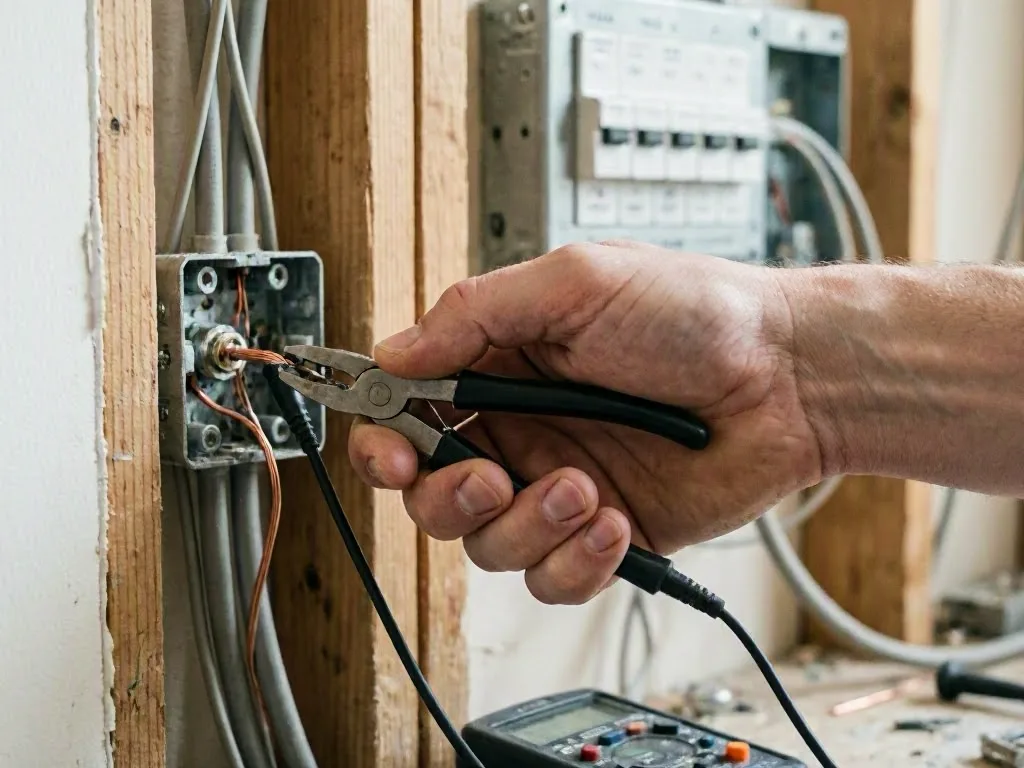
Site Load Calculation
A load calculation measures expected equipment demand against service capacity. You get a clear circuit plan before new wiring begins.
Your business needs power that fits its space and daily load.
Planned circuits help equipment run without repeated trips.
Load calculations show whether the panel can carry new demand.
Circuit maps make future repairs easier for staff and electricians.
Older Cincinnati buildings get wiring plans that fit hidden wall limits.
Storm-aware surge protection helps shield signs and sensitive equipment.
Testing and verification support safe, up-to-code business use.
According to U.S. Bureau of Labor Statistics (2024), electricians, the primary occupation performing commercial electrical installation, had a U.S. median annual wage of $62,350 in May 2024.
Source: U.S. Bureau of Labor Statistics·Year: 2024
Data from U.S. Bureau of Labor Statistics (2024) shows that the United States had approximately 818,700 electrician jobs in 2024 and that electricians work in residential, commercial, and industrial settings.
Source: U.S. Bureau of Labor Statistics·Year: 2024

Commercial Electrical Installation is a building power service that adds circuits, panels, wiring, and equipment connections. Commercial Electrical Installation differs from electrical repair because it creates planned power systems for business use. In Cincinnati, businesses need Commercial Electrical Installation because older buildings often hide wiring limits behind finished walls.
A load calculation measures expected equipment demand against service capacity. You get a clear circuit plan before new wiring begins.
Circuit tracing identifies existing feeds and hidden paths. The map reduces accidental shutdowns and limits wall opening work.
The permit pull records the planned work, while rough-in wiring sets the layout before walls close. This gives inspectors access to key connections.
Electricians install panels, subpanels, outlets, lighting, or equipment feeds with listed parts. The result matches the approved design.
Testing checks voltage, grounding, polarity, and protective devices. Final inspection confirms the completed work meets the National Electrical Code and local rules.
The cost of Commercial Electrical Installation depends on factors like scope, materials needed, and complexity. Here are typical ranges for Cincinnati:
Retail and office changes
Adds planned outlets, lights, equipment feeds, and code checks.
New machines or chargers
Uses load calculations and dedicated circuits for added demand.
Large commercial loads
May include panel, subpanel, or service entrance changes.
Prices are estimates. Call for an exact quote—we provide upfront pricing before starting work.
These five items help electricians plan access, power, and inspection needs before work starts.
Commercial electrical installation time depends on site size, access, permit review, and equipment count.
Dry spring and fall days can make exterior conduit, signs, and parking lights easier to access. Summer storms and winter freezes can delay outdoor steps, so indoor planning should start before those conditions arrive.
Permit and inspection needs depend on the work scope and local authority.
The National Electrical Code guides the technical work.
Commercial Electrical Installation adds safe power systems for shops, offices, clinics, and warehouses.
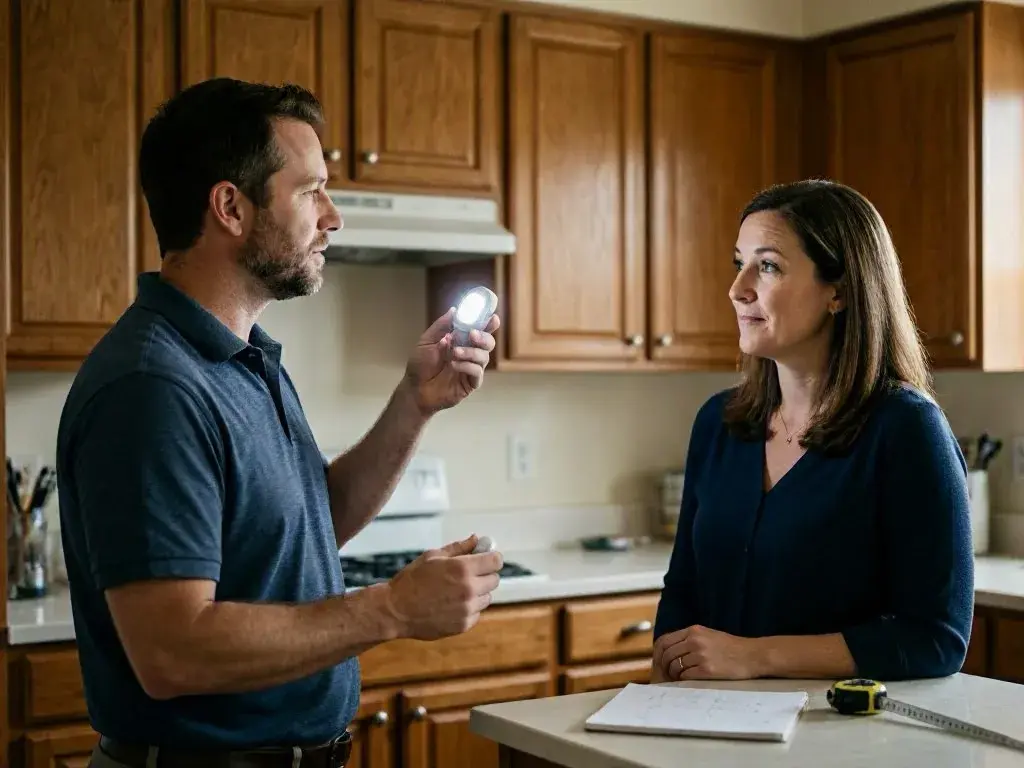



Get a commercial installation estimate with emergency dispatch or same-day scheduling available when an urgent site issue affects your plans.
Call +1 (513) 586-5812 to discuss your electrical issue and get clear next steps from ElectricianCincinnatiOH.com.
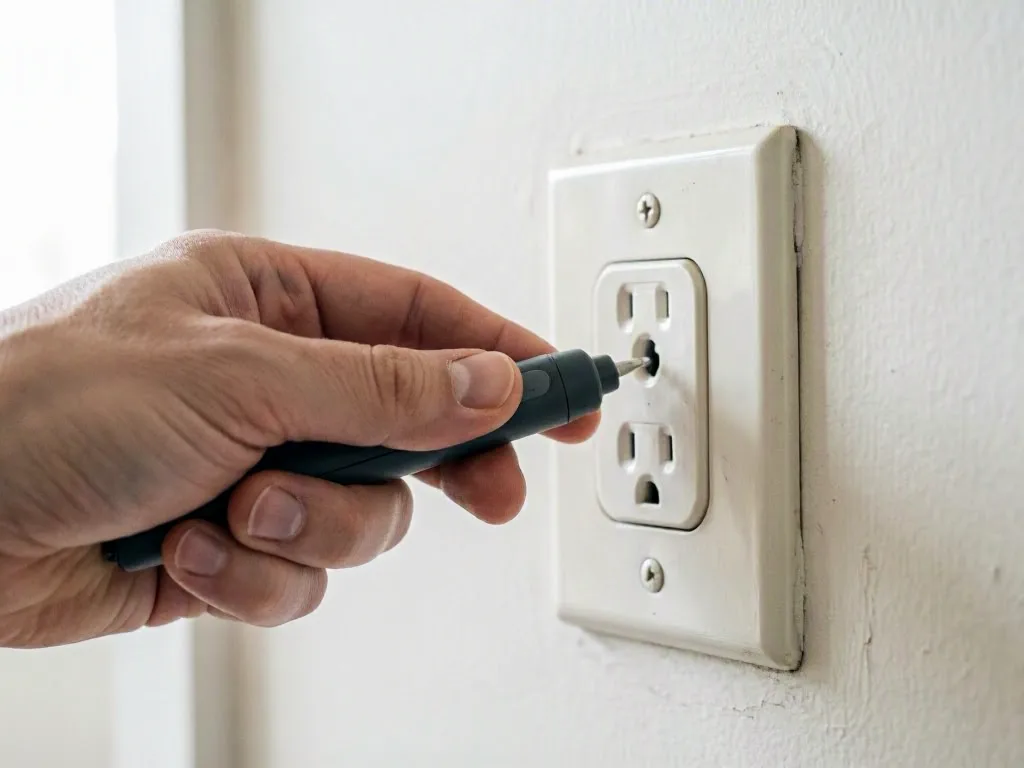
A shop manager in Cincinnati, OH finds a burning smell near a new display circuit after closing. The building may have old wiring behind brick walls, so staff should shut off the affected circuit and keep people away. We would isolate the circuit, test the panel, and check code needs before adding or replacing commercial wiring.
Limited wall access can make a Cincinnati, OH business expansion harder in an older property. A new cooler or machine may share a circuit with lights, which can cause trips during busy hours. We would trace each circuit, check the panel load, and plan a separate feed or subpanel. That step protects business flow and limits unsafe guesswork during the buildout.
A property manager in Cincinnati, OH sees outdoor outlets fail after heavy rain. Drainage pressure can expose weak covers, wet boxes, or damaged lines. We would isolate the circuit, test the parts, and recommend weather-safe protection before the next storm.