When should older wiring receive an electrical safety inspection?
Older wiring should receive an inspection before a property purchase, major remodel, insurance review, or repeated electrical fault. Cincelux Electric checks accessible wiring, panels, outlets, breakers, and grounding. The findings help decide whether the property needs repairs, an upgrade, or a focused follow-up.
Which part of the property decides the inspection scope?
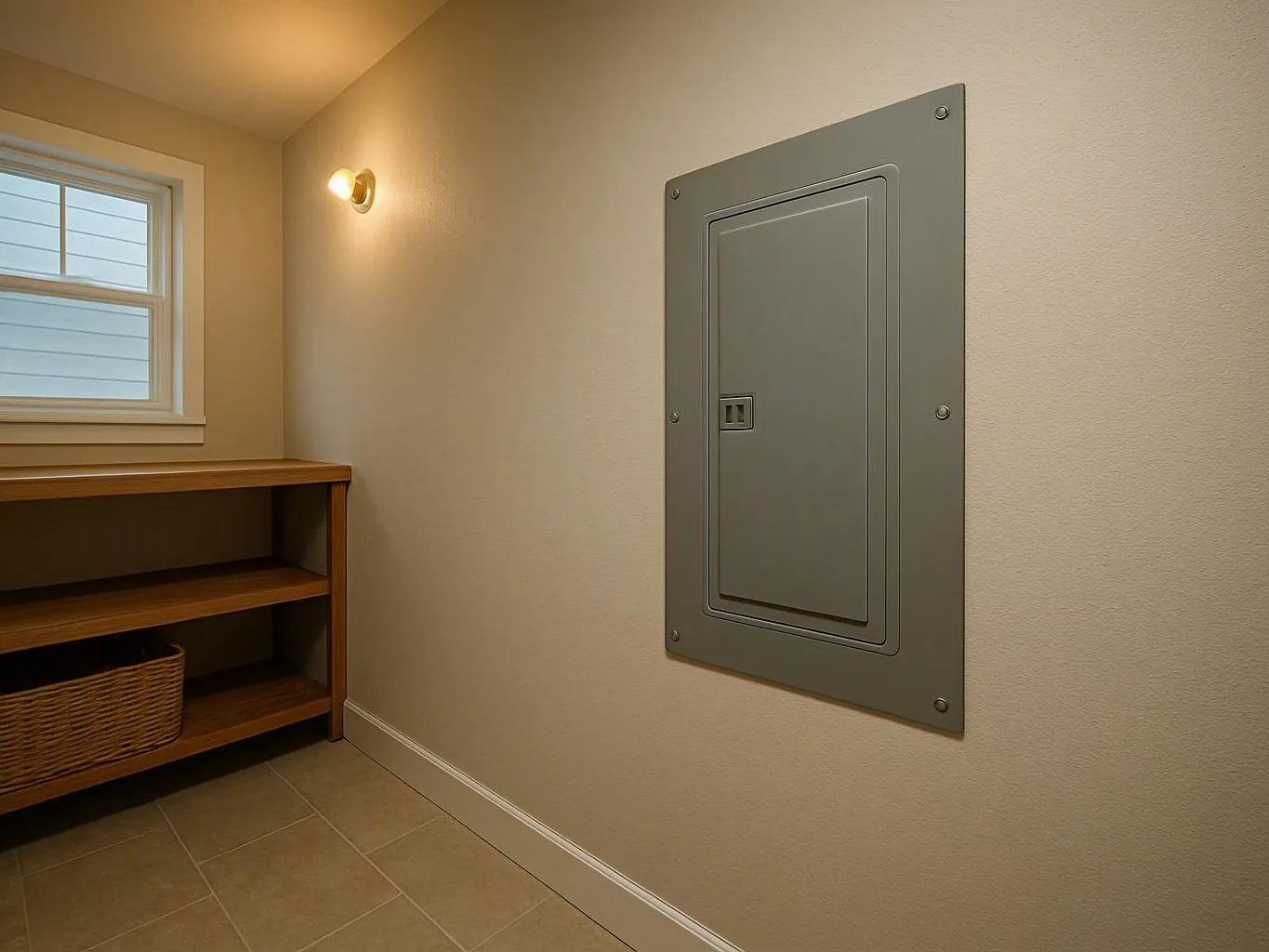
The service panel and affected circuits usually decide the inspection scope. Reported symptoms, visible wiring, outlet access, grounding, and planned electrical work also shape the review. We focus testing where the risk or uncertainty is greatest, then explain what remains outside the inspection.
What material changes how long the inspection takes?
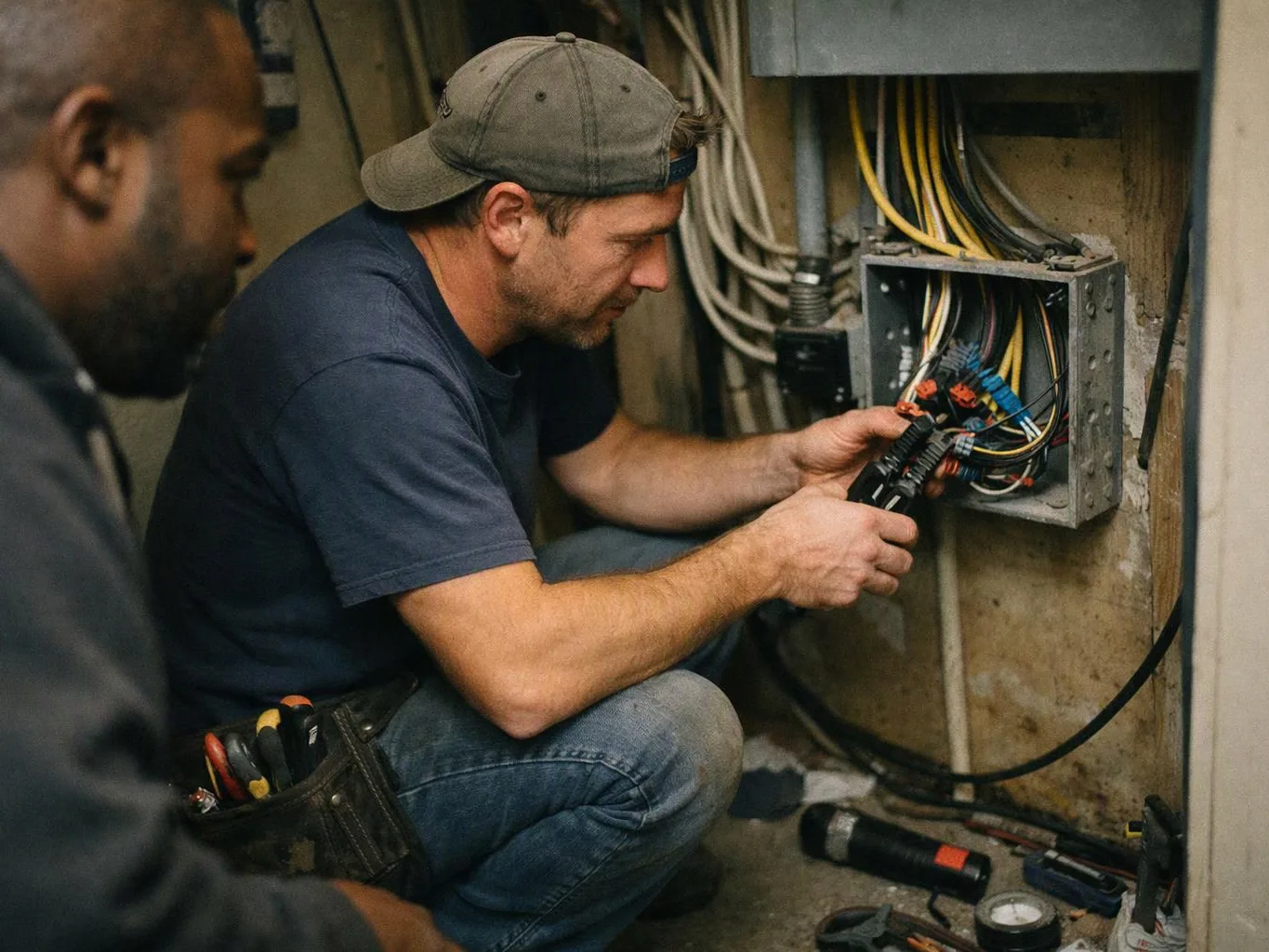
Aluminum wiring, knob-and-tube wiring, damaged insulation, and hard-to-trace circuits can add inspection work. Material condition affects access, testing, and circuit tracing. We identify the wiring type when it is visible and explain whether remediation or replacement should be considered.
How does an electrical safety inspection move from the first call to the last step?
The process moves from symptom review to visual checks, circuit tracing, testing, and a repair discussion. We record the reported concern, inspect accessible parts, test the affected circuits, and explain the findings. The final step is a clear choice between repair, upgrade, monitoring, or further diagnosis.
Why do flickering lights need more than a bulb change?
Flickering lights can point to a loose connection, overloaded circuit, failing breaker, or unstable supply. We trace the affected lighting circuit and inspect related connections. A bulb change may hide the symptom without addressing the electrical fault, so testing is the safer next step.
Which inspection finding can lead to a panel upgrade?
Insufficient capacity, damaged breakers, unsafe connections, or circuits that cannot support planned equipment can lead to a panel upgrade. We review the panel and electrical load before recommending that work. A panel replacement is not automatic, because the actual condition must support the scope.
What should I do before an inspector checks a sparking outlet?
Turn off the affected circuit if it is safe to reach the breaker, and stop using the outlet. We then inspect the outlet, wiring, connections, and circuit for heat or damage. Smoke, a burning smell, or a buzzing panel calls for urgent electrical attention.