What causes outlets to stop working?
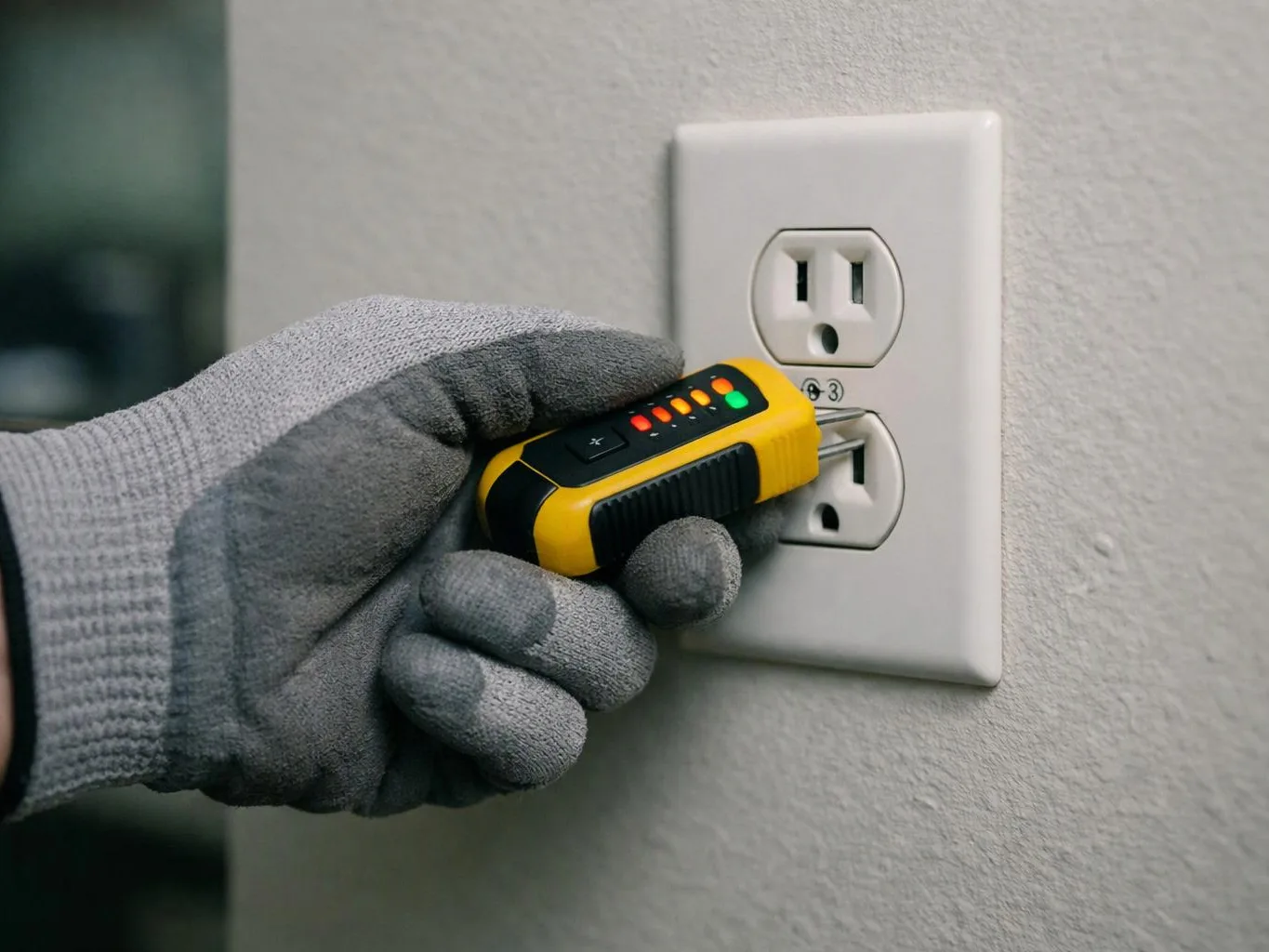
A tripped GFCI, failed receptacle, loose wiring, or open circuit can stop an outlet from working. We test the outlet and its circuit controls first. Nearby dead outlets can point to a shared circuit fault. A burning smell, buzzing panel, or warm switch plate needs urgent electrical attention, so stop using the affected area and request service.
How does an outlet troubleshooting visit move from the first call to the last step?
The visit moves from symptom review to circuit testing, fault isolation, repair planning, and final verification. We check the affected outlet and controls before tracing connected wiring. The repair scope follows the test results. After work, we verify the repaired circuit and explain any further electrical needs.
Which part of the property decides the troubleshooting scope?
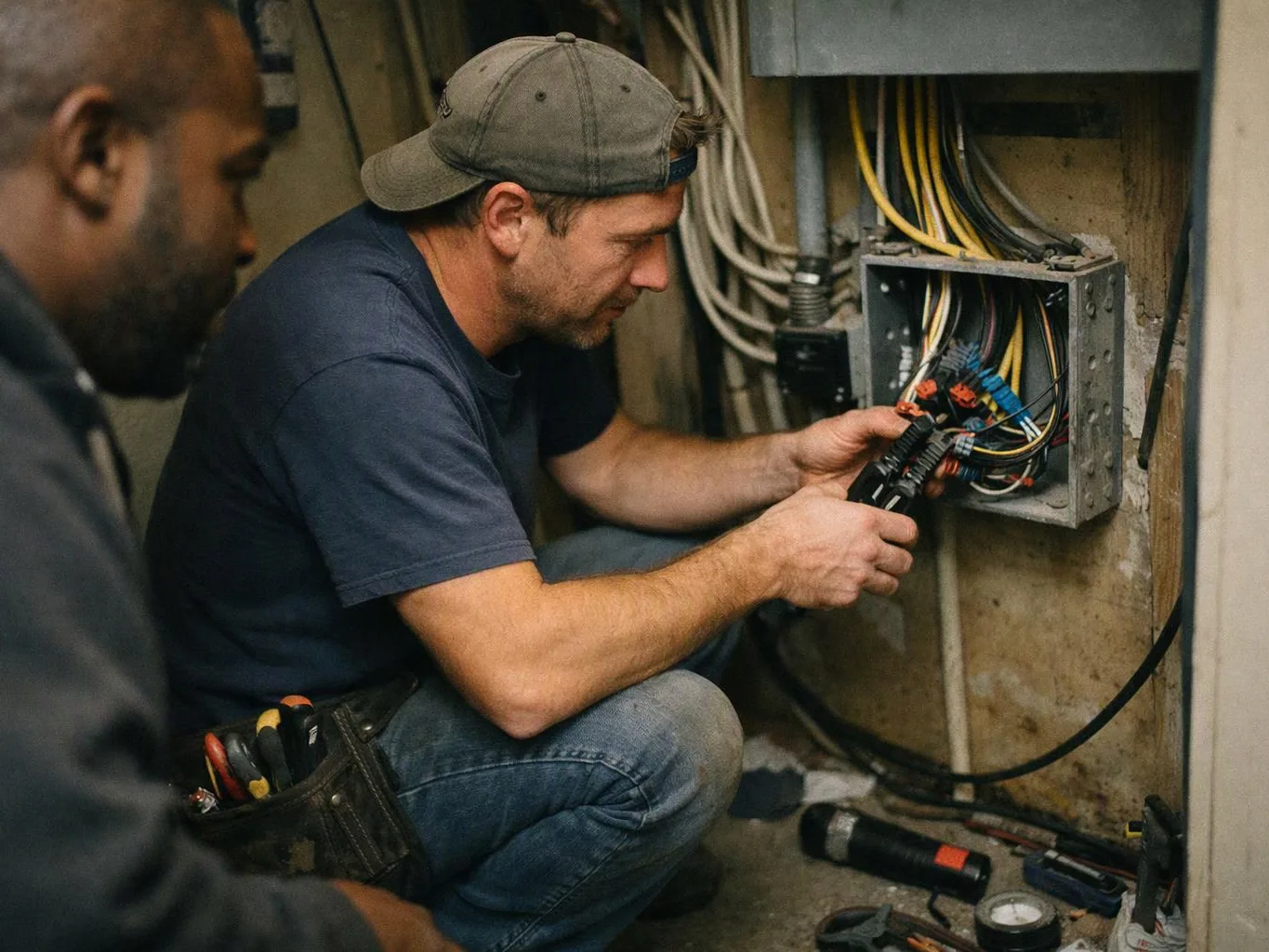
The affected circuit decides the troubleshooting scope because its parts determine where power stops. A receptacle, GFCI, breaker, panel connection, or concealed wire may need inspection. Access also matters when wiring runs behind finished surfaces. We explain whether the issue fits outlet repair or needs a larger electrical project.
How can I tell whether outlet troubleshooting fits my property?
Outlet troubleshooting fits when one or more outlets lose power and the cause is unclear. The service covers homes, businesses, and managed properties with receptacle, breaker, or wiring symptoms. A planned panel upgrade or full rewiring project needs a broader assessment. We identify that boundary during testing.
What should I do before electrical troubleshooting starts?
Before service starts, stop using the affected outlet and note which nearby outlets also lost power. Keep people away from a sparking outlet, warm plate, or burning smell. Do not remove the cover plate or handle exposed wiring. Share the property type, recent electrical changes, and any breaker or GFCI activity.
When does a dead outlet become an urgent electrical problem?
A dead outlet becomes urgent when it has a burning smell, visible sparks, heat, buzzing, or repeated breaker trips. Turn off the affected circuit if it is safe to do so, and keep clear of damaged parts. Cincelux Electric provides emergency electrical response for urgent electrical concerns.
Why might a new receptacle fail after installation?
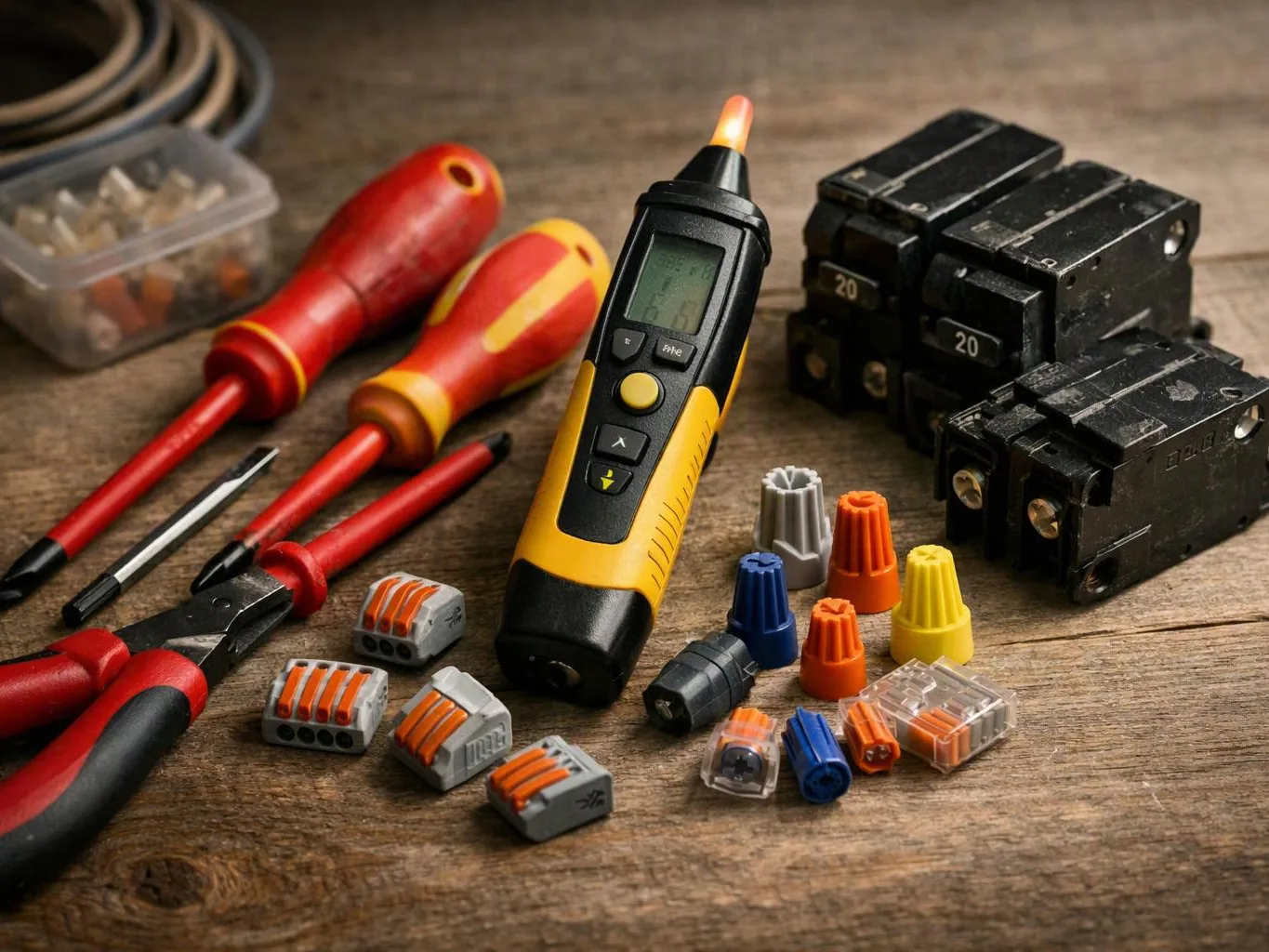
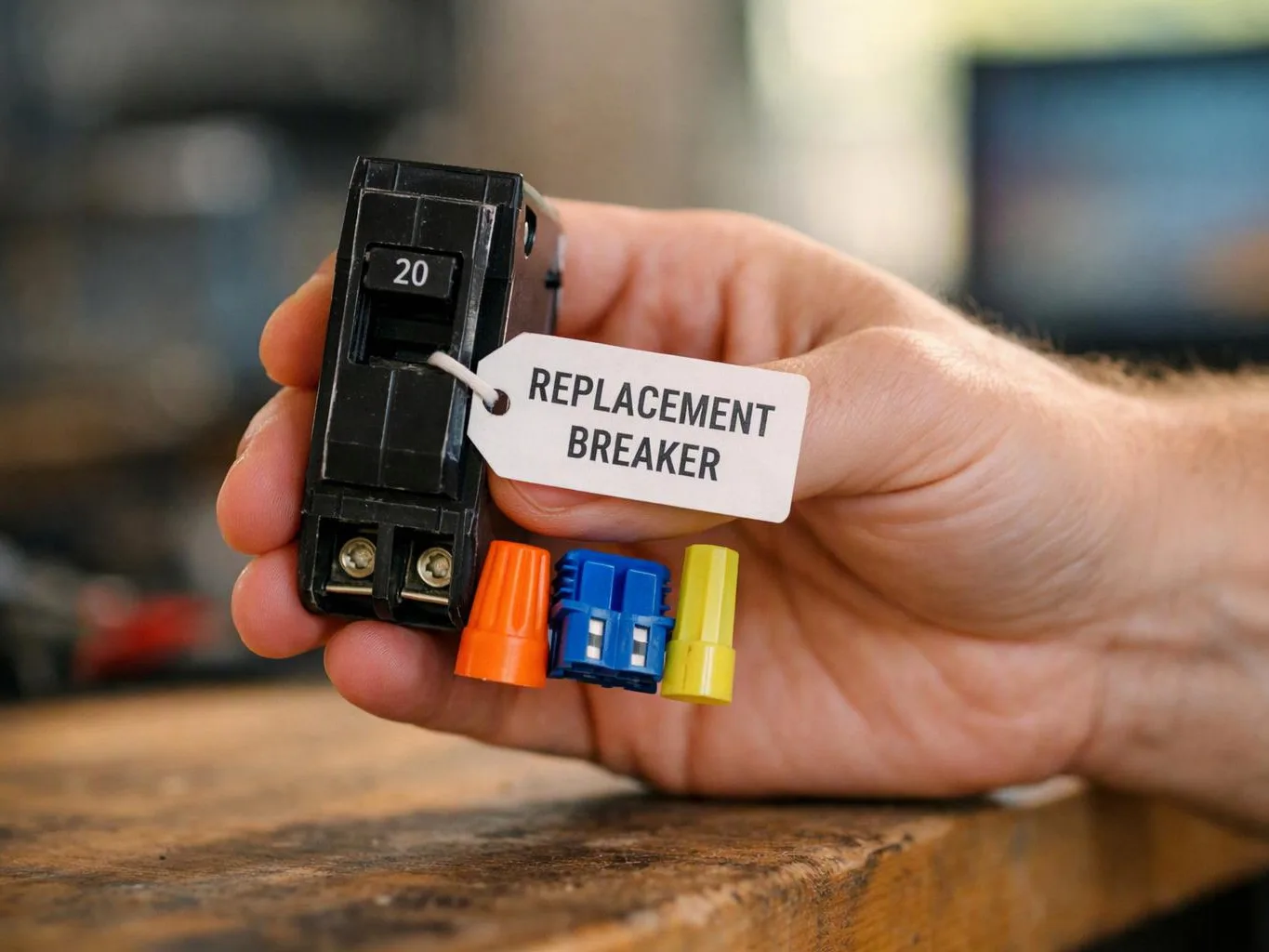
A new receptacle may fail because the circuit has a loose connection, open conductor, tripped GFCI, or breaker fault. We test the device and trace the circuit instead of treating the replacement as the full diagnosis. The correct repair depends on where electrical flow stops and whether other outlets share the circuit.