Where should emergency lights be installed?
Emergency lights should be installed along corridors, exit routes, stairwells, and assembly areas that need visibility during power loss. Cincelux Electric reviews the property layout and identifies fixture points based on movement through the space. Mounting height, wiring access, existing power, and the property’s use all affect the final placement.
What does the crew look at first during emergency lighting installation?
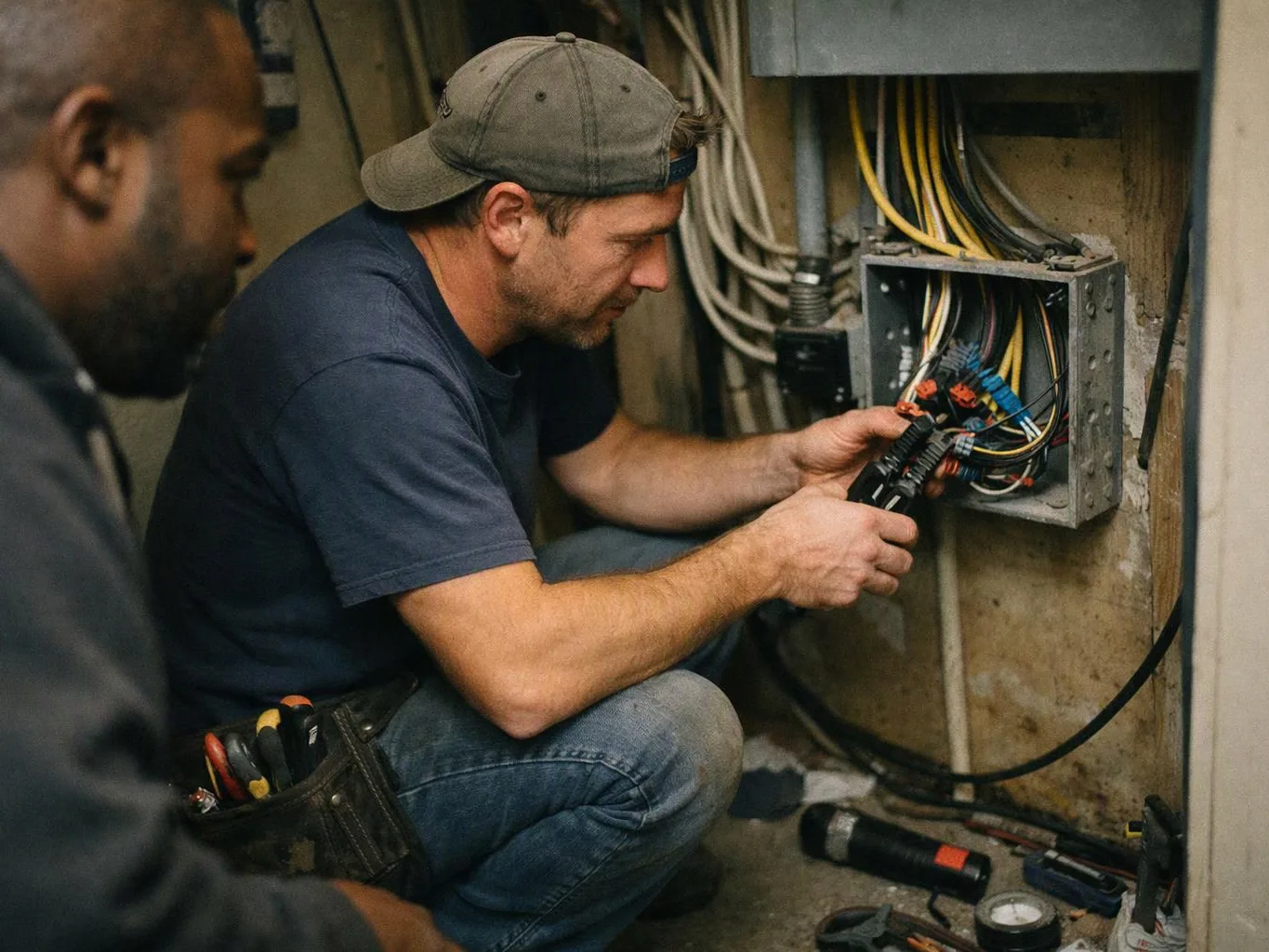
The property layout is checked first because fixture placement must follow the paths people use. We then inspect existing lights, wiring, circuit access, and areas where normal lighting fails. A floor plan or marked photo can help us understand the scope before the site assessment.
What should be checked before emergency lighting is scheduled?
The affected areas, electrical access, existing fixtures, and wiring condition should be checked first. We also need to know whether the property is residential, commercial, or managed space. Those details help us plan access and identify related repairs that could change the installation scope.
Who is a good fit for emergency lighting installation, and who needs a different service?
Businesses, homeowners, and property managers are good fits when they need backup lighting installed or upgraded. A burning smell, sparking outlet, or buzzing panel needs urgent electrical diagnosis first. Our team can address the urgent electrical issue before discussing planned lighting work.
How does existing wiring change the installation work?
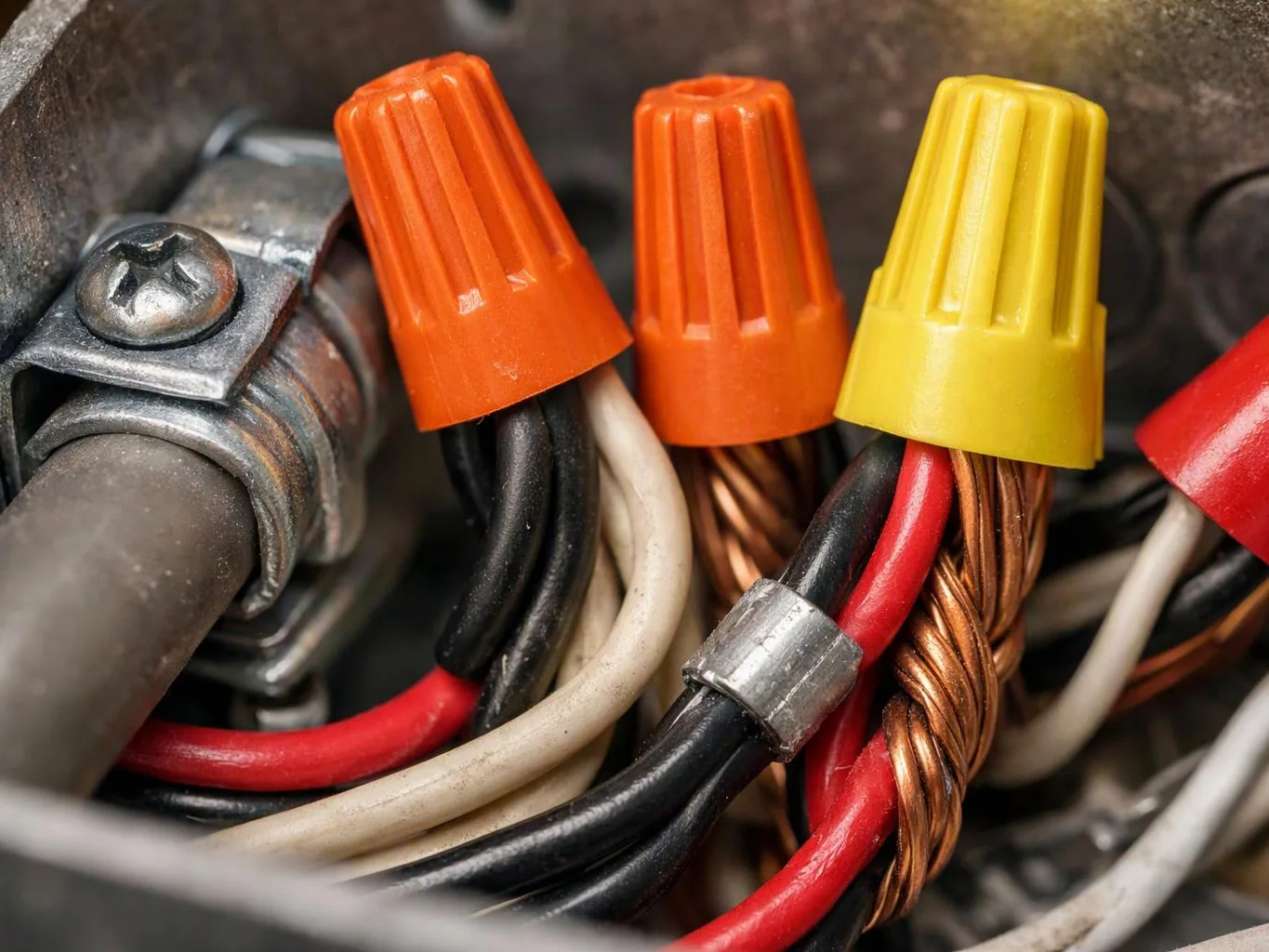
Existing wiring can change the work when it is damaged, difficult to access, or unsuitable for the planned fixtures. We trace the circuit, inspect the connection points, and explain any repair needed before installation. The quote reflects the wiring path, fixture locations, access, and related electrical work.
Which electrical problems can affect emergency lighting?
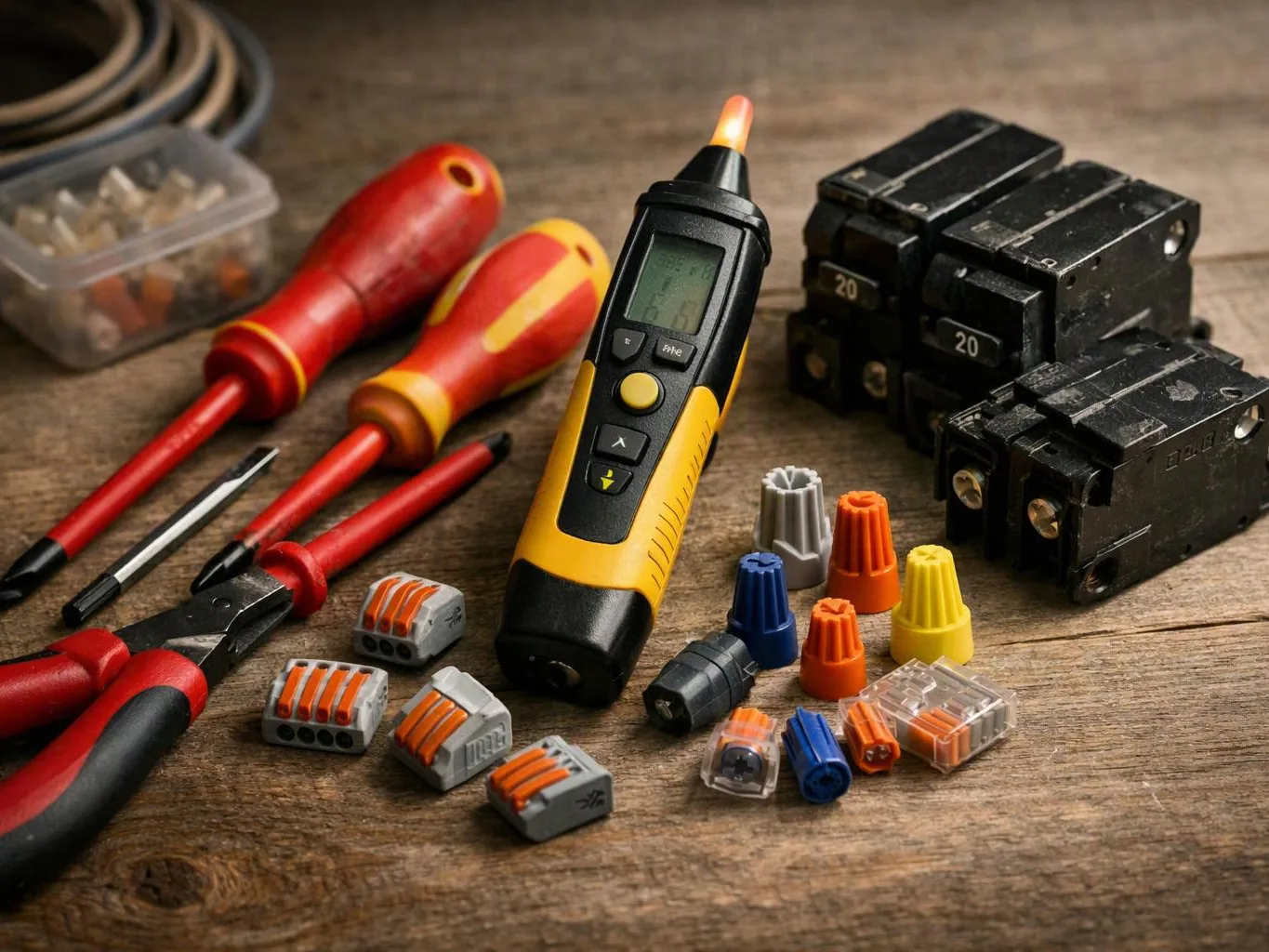
Faulty circuits, loose connections, damaged switches, and failed fixtures can affect emergency lighting. We inspect the lighting circuit and related electrical points to separate a fixture problem from a wider wiring fault. Urgent signs such as heat, smoke, or sparking call for immediate electrical attention.
Why might a property need new fixtures instead of repairs?
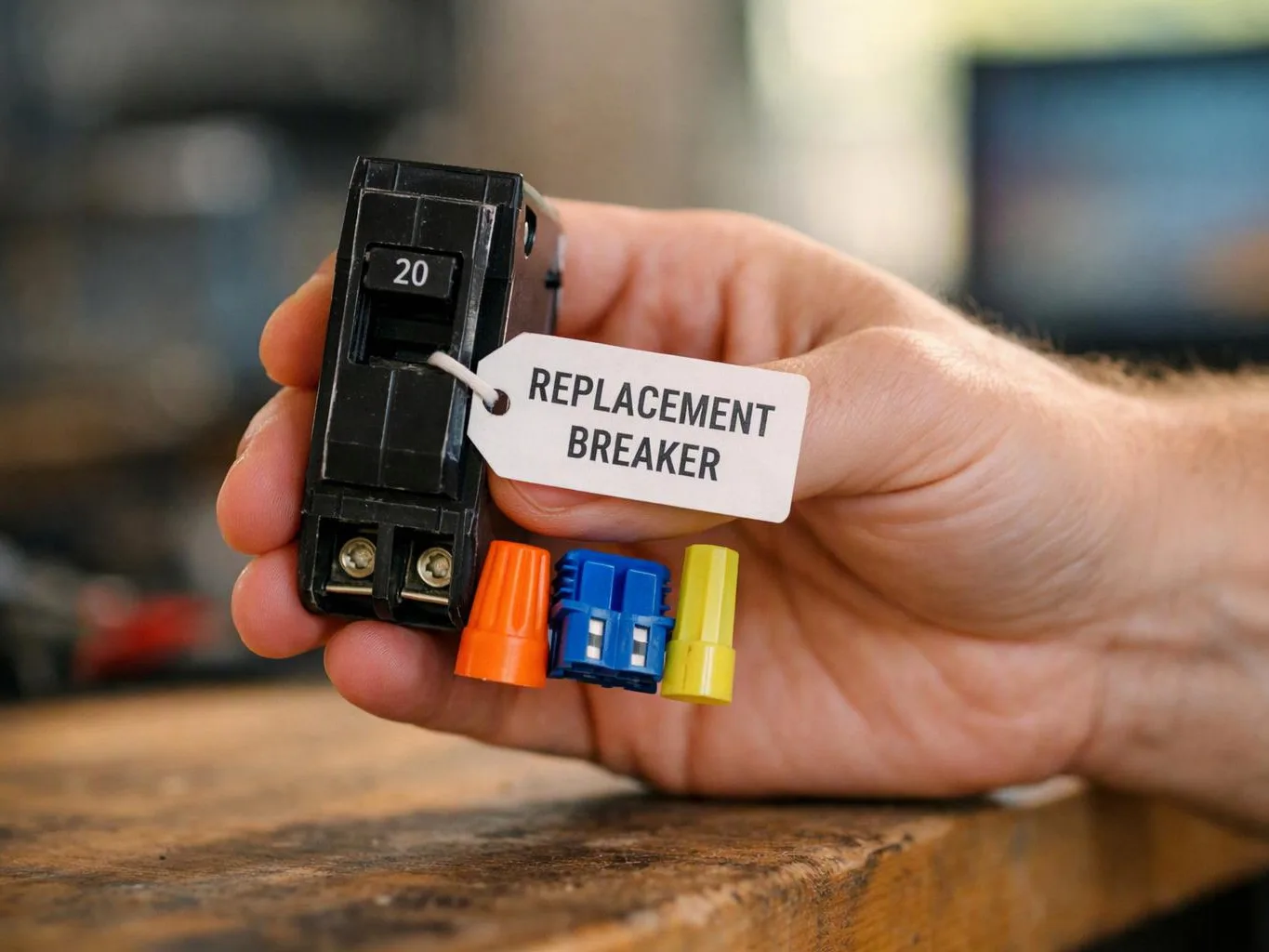
New fixtures may fit better when existing units are damaged, poorly placed, or unable to cover the needed path. We compare the fixture condition with the property layout and wiring access. The decision depends on safe operation, coverage needs, repair scope, and the customer’s planned use of the space.