What type of recessed lighting works for insulated ceilings?
Air sealing and an insulation-contact-rated fixture are the right starting points for an insulated ceiling. We check the ceiling opening, insulation position, thermal protection, and LED module before choosing the fixture. The housing and its listed use must match the actual ceiling conditions. We also review wiring and controls before installation.
What should be checked before recessed lighting is scheduled?
The ceiling, insulation, wiring path, circuit, switch, and fixture locations should be checked first. We inspect access and note whether air sealing or thermal protection needs attention. That review helps define the work and identifies related repairs before installation starts.
Who is a good fit for recessed lighting installation?
Cincelux Electric installs recessed lighting for homeowners, businesses, and property managers who need planned ceiling lighting. The service fits spaces with suitable ceiling access and electrical capacity. A panel replacement, major wiring repair, or circuit problem may require related electrical work before the lights are installed.
What happens at each stage of recessed lighting installation?
The process starts with a ceiling and circuit review, then moves to fixture selection, wiring, installation, and testing. We check insulation contact and thermal protection before connecting the fixture. The final test covers the light, switch, dimmer compatibility, and circuit operation.
Which part of the job changes the estimate most?
Ceiling access and wiring distance often shape the estimate because they affect the work needed to reach and connect each fixture. Fixture type, controls, insulation contact, and circuit repairs also affect the scope. We provide a free estimate after reviewing the planned locations and existing electrical conditions.
Why do recessed lights trip a breaker?
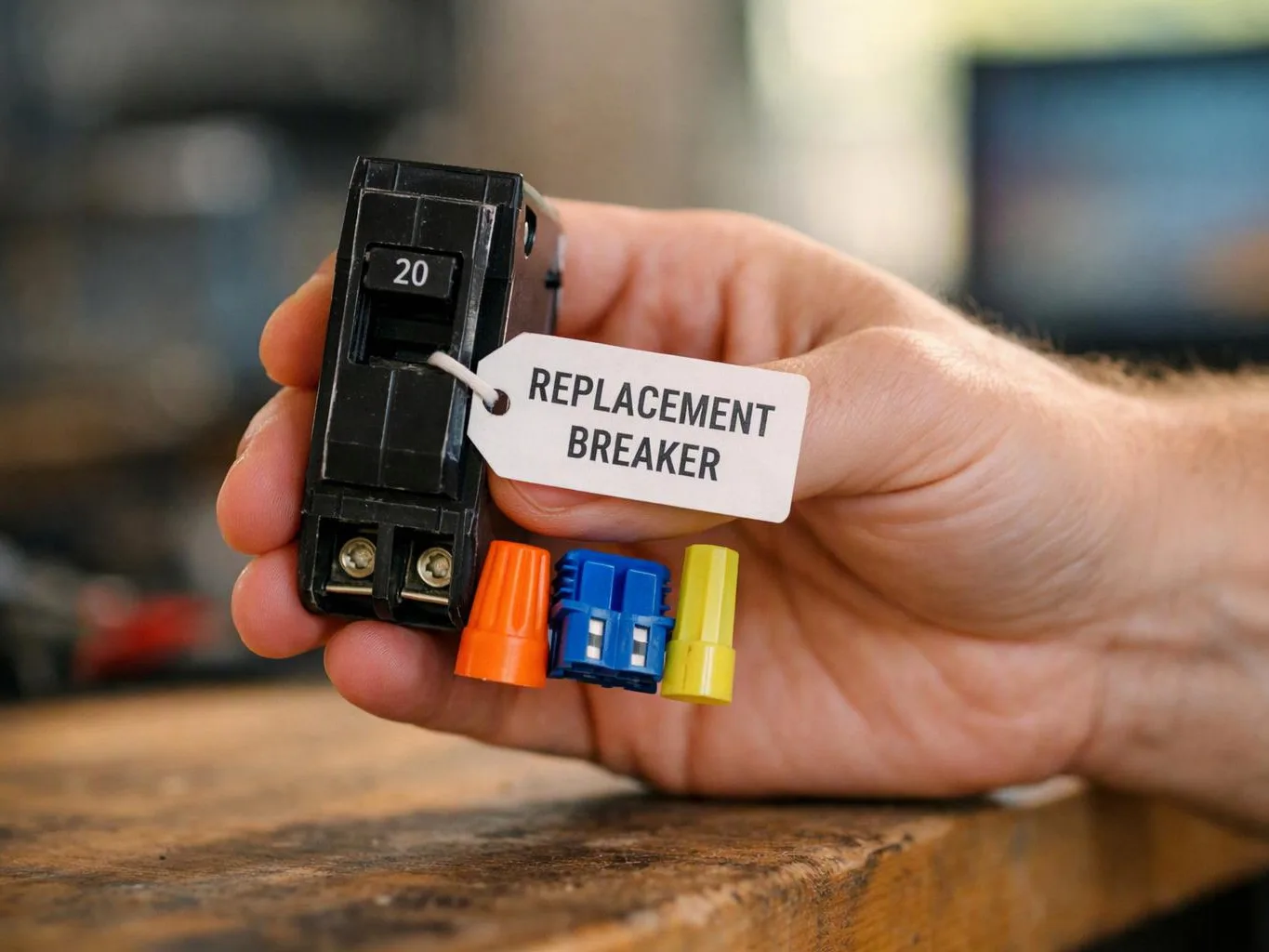
A breaker can trip when a circuit is overloaded, a connection is damaged, or a fixture has an electrical fault. We isolate the lighting circuit and test the fixture, switch, wiring, and breaker. Stop using the affected light if you notice heat, buzzing, sparks, or a burning smell.
How do LED modules differ from replaceable bulbs?
An LED module is built into a compatible recessed fixture, while a replaceable-bulb housing uses a separate lamp. We check the module, housing, dimmer, and wiring as a matched system. The right choice depends on access, control needs, ceiling conditions, and the customer’s maintenance preference.