
What is an Amperage?
Amperage is the amount of electric current flowing through a circuit, measured in amperes, commonly called amps. It describes current quantity rather than electrical pressure or power. A circuit’s amperage helps determine wire size, breaker rating, equipment capacity, and overheating risk. Higher current requires suitable conductors and overcurrent protection.
Quick Facts About Amperage
Category
Electrical measurement
Measured by
Amperes, written as A
Formula
Current equals voltage divided by resistance
Used for
Sizing conductors, breakers, and electrical equipment
Common confusion
Amperage is not the same as voltage or wattage
Also called
Current, Electrical current
Key Takeaways About Amperage
- Amperage measures current flow, while voltage measures electrical pressure.
- The ampere, or amp, is the standard unit for electric current.
- Wire size and breaker ratings must match the circuit’s expected amperage.
- Excessive current can overheat conductors and create fire or equipment hazards.
- A clamp meter can measure current without disconnecting the conductor.
Understanding Amperage
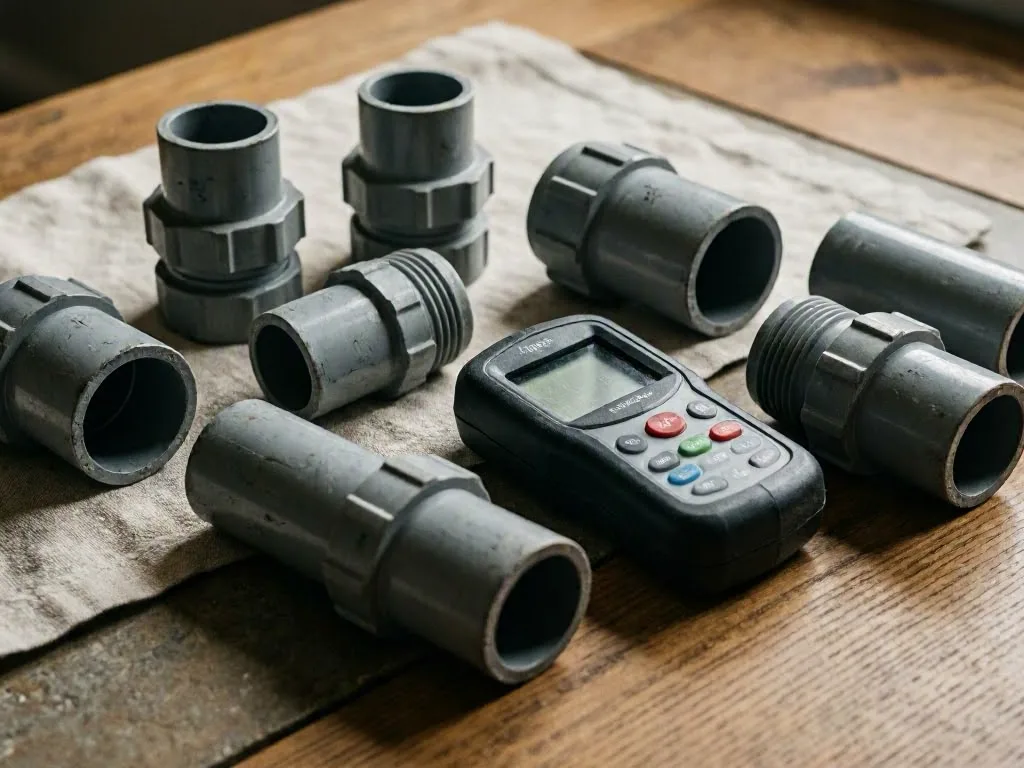
Amperage describes the amount of electric currentmoving through a conductor or circuit. It measures current at a given moment. The standard unit's.ampere, shortened to amp and shown by the letter A. A current of 10 amps carries twice the charge flow of 5 amps. This applies under the same conditions.
Related glossary terms: American Wire Gauge, Ampacity, Electrical Load.
Amperage differs from voltage and wattage. Voltage is the electrical pressure that pushes current. Resistance limits current flow. Power, measured in watts, shows the rate of energy use. In a simple direct-current circuit, Ohm’s Law shows this relationship. It uses I = V ÷ R. I means current, V means voltage, and R means resistance.
How Amperage Works, Is Measured, or Is Used?
Current flows when a complete circuit provides a path. The path runs from a source through a load and back. A motor, heater, light, or charger becomes the load. The load draws current. The load’s design, supply voltage, and internal resistance set its operating amperage. A device doesn't always draw its full breaker rating.
Electricians measure amperage with an ammeter or clamp meter. A clamp meter senses the magnetic field around one energized conductor. It usually avoids opening the circuit. An inline ammeter must connect in series. This setup requires care. An incorrect connection can create a short circuit. Readings should match the equipment nameplate and circuit rating. They should also match the expected operating condition.
In building wiring, amperage guides the choice of wire size. It also guides the choice of circuit breaker and disconnecting means. A circuit rated for certain current needs matching conductors and safety devices. Motors and other equipment may have starting current. This current can briefly exceed normal running current. That affects breaker choice and troubleshooting.
Why Amperage Matters?
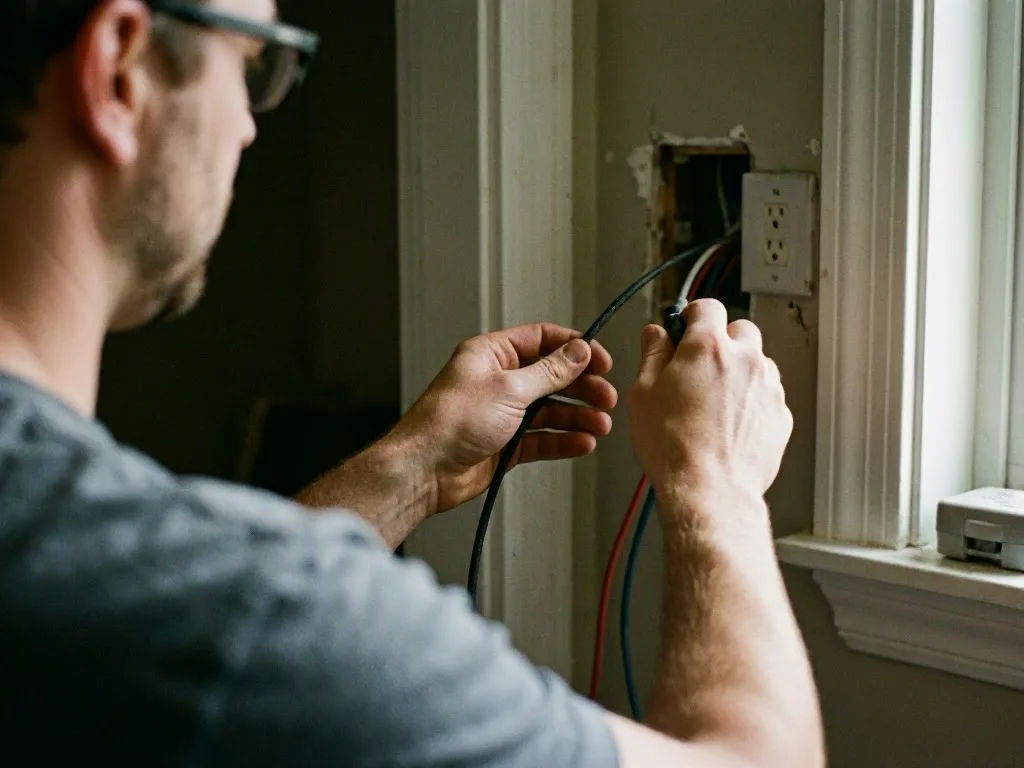
Amperage matters because current produces heat through electrical resistance. Excessive current can overheat a conductor. It can also damage insulation, trip a breaker, or create an arc. An arc can cause a fire hazard. A breaker stops abnormal current before wiring reaches unsafe heat. The breaker can't fix undersized wiring, loose connections, or damaged equipment.
Accurate current information supports safer design and better diagnosis. A high reading may show an overloaded circuit. It may also show a failing motor or shorted part. A supply problem can also cause a high reading. A low reading can show an open circuit or poor connection. It can also show a failed part. Equipment may not be running under its normal load.
When Amperage Matters Most?
Amperage becomes especially important during a panel upgrade. It also matters during new circuit installation, appliance replacement, or home rewiring. Electricians review the service rating and calculated load before changes. They also check conductor ampacity, breaker size, and equipment instructions. The goal is to keep current within safe limits. Wiring and safety devices must handle the circuit's current.
Amperage also matters during emergency troubleshooting. Warm outlets, repeated breaker trips, and flickering lights can signal problems. Burning odors and damaged insulation can also signal problems. Turn off power when conditions seem unsafe. Don't replace a breaker with a higher rating to stop nuisance trips. This change can remove needed wiring protection.
How to Evaluate Amperage?
- Compare measured current with the equipment nameplate rating and normal operating conditions.
- Check that conductor ampacity and breaker rating match the circuit design and installation requirements.
- Look for repeated breaker trips, warm devices, discoloration, buzzing, or burning odors.
- Use a properly rated meter and confirm whether the reading represents starting or running current.
- Verify that a clamp meter surrounds only the intended current-carrying conductor.
Related Concepts Compared
Amperage vs. Voltage
Voltage is the electrical pressure that drives current through a circuit. Amperage is the amount of current that actually flows.
Amperage vs. Wattage
Wattage measures electrical power, while amperage measures current. In a simple circuit, watts equal volts multiplied by amps.
Amperage vs. Ampacity
Ampacity is the maximum current a conductor can carry safely under stated conditions. Amperage is the current flowing through the circuit at a particular time.
Amperage vs. Resistance
Resistance opposes current flow and is measured in ohms. Amperage changes when voltage or resistance changes.
Expert Note
A breaker trip does not prove that the breaker itself is defective. Measure current under normal and starting conditions, then inspect connections, conductor size, load condition, and breaker compatibility before replacing a protective device.
Common Mistakes or Myths About Amperage
- Assuming a higher-amp breaker makes an undersized wire safe.
- Confusing amps with volts or watts.
- Measuring around multiple conductors with a clamp meter and getting a misleading reading.
- Ignoring starting current from motors, compressors, and some power supplies.
- Replacing a repeatedly tripping breaker without finding the cause.
Amperage in Practice: A Real-World Example
A 120-volt space heater rated at 1,500 watts draws about 12.5 amps under normal conditions. If the heater shares a 15-amp circuit with other loads, the combined amperage may trip the breaker or overheat a weak connection.
Related Terms
American Wire Gauge
American Wire Gauge is a standardized numbering system that identifies the diameter and cross-sectional area of…
Ampacity
Ampacity is the maximum current, measured in amperes, that a conductor can carry continuously under stated…
Electrical Load
Electrical Load is the amount of electrical power that devices, equipment, or circuits draw from a…
Ohm's Law
Ohm's Law is the relationship between voltage, current, and resistance in an electrical circuit. The law…
ElectricianCincinnatiOH.com
Have Questions About Amperage?
Contact ElectricianCincinnatiOH.com for practical guidance on Amperage and related 24 hour electrician work in Cincinnati.