
What is Electrical Load?
Electrical Load is the amount of electrical power that devices, equipment, or circuits draw from a power source during operation. It's measured in watts, volt-amperes, or amperes, depending on the calculation. Load size affects wire selection, breaker ratings, panel capacity, voltage stability, energy use, and electrical system safety.
Quick Facts About Electrical Load
Category
Electrical measurement and system design
Formula
Power equals voltage multiplied by current
Measured by
Watts, volt-amperes, or amperes
Used for
Circuit, panel, and service capacity planning
Common confusion
Load is not the same as voltage or breaker size.
Also called
Power demand, Electrical demand
Key Takeaways About Electrical Load
- Electrical load shows how much power equipment demands from a circuit or electrical system.
- Load calculations help choose wire size, breaker rating, and panel capacity.
- Motors, heaters, air conditioners, and electric vehicle chargers often create high electrical loads.
- A circuit can overload when equipment draws more current than it can safely carry.
- Load changes as appliances and other electrical devices turn on or off.
Understanding Electrical Load
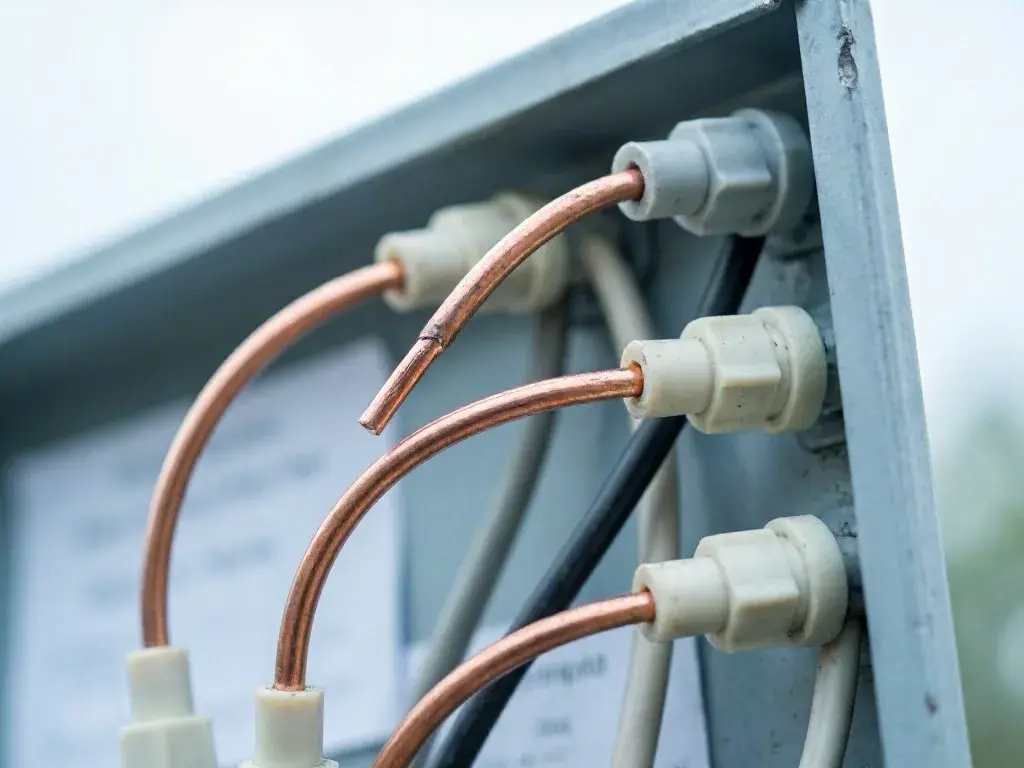
Electrical load means the power demand placed on a source by connected equipment. A lamp, refrigerator, furnace, water heater, and phone charger each add demand when they operate. The total load may change each minute because devices cycle on and off.
Related glossary terms: Amperage, Ampacity, Branch Circuit.
Load is different from the electrical supply itself. Voltage describes electrical pressure, while amperagedescribes current flow. The load is the equipment demand that causes current through.branch circuit or larger distribution system.
How Electrical Load Works, Is Measured, or Is Used?
For a simple resistive device, power uses a basic formula. Watts equal volts multiplied by amps. A 120-volt device drawing 5 amperes uses about 600 watts. Alternating-current equipment with motors may need a power factor adjustment. Apparent power in volt-amperes may provide a better design value than watts alone.
Electricians evaluate the expected operating load and the starting load. Motors, compressors, pumps, and some lighting systems can briefly draw more current when starting. A load calculation considers equipment ratings, expected use, continuous operation, and the capacity.load center, conductors, and overcurrent protection.
- Equipment labels provide rated voltage, amperage, or wattage.
- A clamp meter can measure current without disconnecting a conductor.
- A service calculation estimates demand on the complete electrical service.
Why Electrical Load Matters?

Load size determines whether a circuit can operate equipment without excess heat or voltage drop. A circuit with too much demand may trip its breaker, dim lights, damage equipment, or overheat wiring. A properly sized conductor and breaker protect the circuit under expected conditions.
Load also affects electrical upgrades and energy planning. Adding an electric range, heat pump, hot tub, workshop equipment, or electric vehicle charger may exceed existing service capacity. A load calculation shows whether the system needs a new circuit, panel change, or larger service.
When Electrical Load Matters Most?
Load matters during remodeling, new equipment installation, and gas-to-electric changes. Older homes may have limited service capacity, small panels, or circuits for fewer devices. Review each new appliance's voltage, current, circuit rating, and installation instructions first.
Pay attention when breakers trip, lights dim, outlets feel warm, or appliances stop. Overload, loose links, bad wires, or a failing device may cause these signs. Don't install larger breakers for trips. Since wiring may not safely carry more current.
How to Evaluate Electrical Load?
- Compare each appliance rating with the circuit voltage and breaker rating before connecting the equipment.
- Check whether the total calculated demand fits within the panel and service capacity.
- Measure operating current with a suitable clamp meter and compare the reading with equipment specifications.
- Look for repeated breaker trips, warm receptacles, dimming lights, or unusual equipment shutdowns.
- Confirm that continuous loads, motor starting current, and voltage drop were included in the design.
Related Concepts Compared
Electrical Load vs. Amperage
Amperage is the amount of current flowing through a circuit. Electrical load describes the demand created by connected equipment. Which often determines the resulting amperage.
Electrical Load vs. Ampacity
Ampacity is the maximum current a conductor can carry safely under stated conditions. Electrical load is the demand placed on that conductor by equipment.
Electrical Load vs. Power Factor
Power factor describes how effectively alternating-current equipment converts supplied current into useful power. It matters when load calculations involve motors, transformers, or other inductive equipment.
Electrical Load vs. Overcurrent Protection
Overcurrent protection includes devices such as circuit breakers and fuses that interrupt excessive current. Protection responds to unsafe current, while electrical load is the normal or expected demand.
Expert Note
A nameplate load is not always the same as measured operating current. Motors can have high starting demand. While thermostatically controlled equipment cycles over time. A sound load calculation considers both peak conditions and the equipment’s expected duty cycle.
Common Mistakes or Myths About Electrical Load
- Treating the breaker rating as the actual load instead of the circuit’s protection limit.
- Adding equipment without checking the panel and service capacity.
- Ignoring motor starting current when sizing circuits for compressors, pumps, or air conditioners.
- Installing a larger breaker to stop nuisance trips without verifying conductor ampacity.
- Assuming a device uses its full nameplate load continuously.
Electrical Load in Practice: A Real-World Example
A 120-volt, 1,500-watt space heater draws about 12.5 amperes. Shared lights and appliances may push demand past the limit and trip the breaker.
Sources & Further Reading on Electrical Load
Related Terms
Amperage
Amperage is the amount of electric current flowing through a circuit, measured in amperes, commonly called…
Ampacity
Ampacity is the maximum current, measured in amperes, that a conductor can carry continuously under stated…
Branch Circuit
Branch Circuit is the portion of an electrical system that carries power from a final overcurrent…
Load Center
Load Center is an electrical enclosure that distributes power from a service or feeder to individual…
ElectricianCincinnatiOH.com
Have Questions About Electrical Load?
Contact ElectricianCincinnatiOH.com for practical guidance on Electrical Load and related 24 hour electrician work in Cincinnati.