
What is Arc-Fault Circuit Interrupter?
Arc-Fault Circuit Interrupter is a protective device that detects dangerous electrical arcing and disconnects power before the arc can start a fire. An AFCI monitors the electrical waveform for patterns linked to damaged wires, loose connections, or overheated conductors. AFCI protection may be provided by a circuit breaker or an outlet-type device.
Quick Facts About Arc-Fault Circuit Interrupter
Category
Electrical fire protection device
Used for
Detecting hazardous electrical arcs
Common confusion
AFCI is not the same as GFCI protection
Relevant standard
National Electrical Code Article 210.12
Also called
AFCI, Arc-Fault Breaker
Often discussed with
Electrical Troubleshooting, Electrical Inspection
Key Takeaways About Arc-Fault Circuit Interrupter
- AFCIs detect hazardous arcing that ordinary circuit breakers may not recognize.
- AFCI protection helps reduce fires caused by damaged cords, wires, and loose connections.
- AFCI breakers protect an entire branch circuit from the electrical panel.
- A tripping AFCI may indicate damaged wiring, a faulty appliance, or an incompatible device.
- AFCI requirements depend on circuit location, building use, and the adopted electrical code.
Understanding Arc-Fault Circuit Interrupter
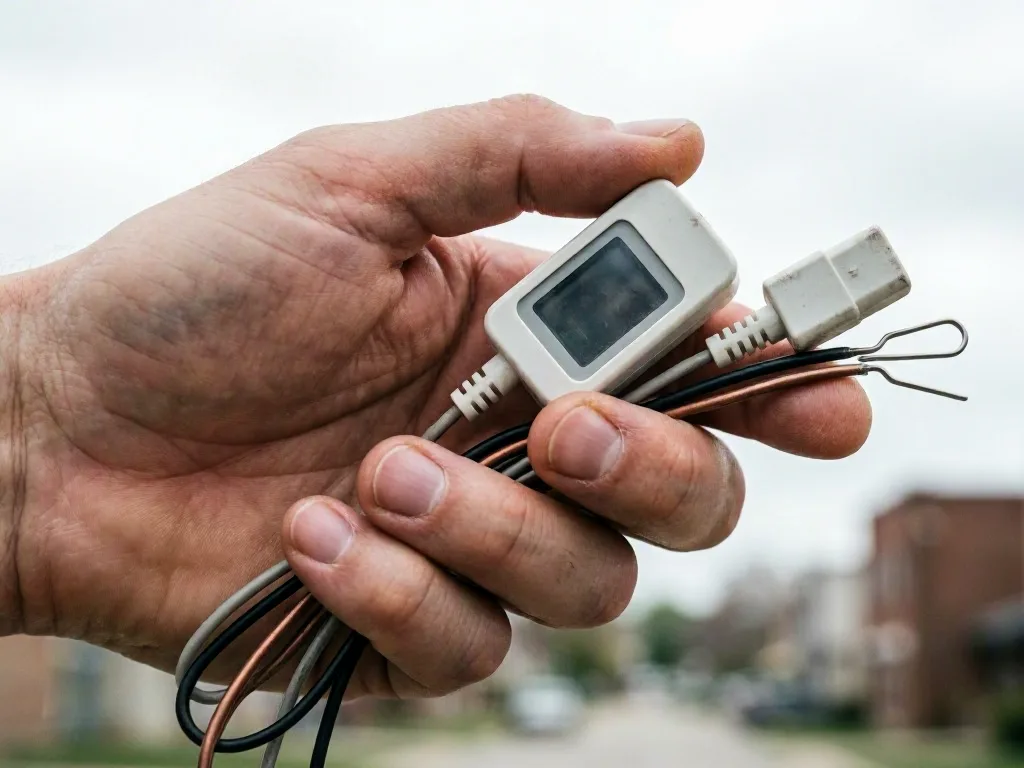
Arc-Fault Circuit Interrupter, commonly called an AFCI, protects against dangerous electrical arcing. An arc can form when electricity jumps across a damaged wire. It can also form across a loose terminal, crushed cable, or failing connection. The arc creates a changing electrical pattern and heat. This heat may ignite nearby building materials.
An AFCI differs from a standard circuit breaker. A standard breaker mainly responds to excess current. This current comes from an overload or short circuit. An AFCI also checks the current waveform for signs of arcing. AFCI protection may come from a breaker.load center. It may also come from a receptacle-style device at an outlet.
How Arc-Fault Circuit Interrupter Works, Is Measured, or Is Used?
An AFCI continuously monitors current flowing through a branch circuit. Electronic sensing parts compare the current pattern with set conditions. These conditions can show a series arc or a parallel arc. A series arc may occur along one conductor at a loose connection. A parallel arc may occur between conductors or between a conductor and ground.
When the device finds a qualifying arcing pattern, the AFCI opens the circuit. This stops power flow. The device doesn't measure arc danger with one simple value. It doesn't use only voltage or amperage. Testing normally includes the built-in test button and a visual check. Electrical troubleshooting may help when nuisance trips continue. A reset that trips again quickly signals a problem. The problem needs diagnosis.
- Press the test button according to the device instructions.
- Confirm that the breaker or receptacle resets and restores power.
- Unplug loads if the device trips. Then identify the cause. Check whether an appliance or wiring section causes the trip.
- don't bypass AFCI protection or replace the device with a standard breaker.
Why Arc-Fault Circuit Interrupter Matters?

AFCI protection addresses a hazard that ordinary overcurrent protection may miss. A damaged cord can create an arc without drawing enough current. This may not trip a standard breaker. An AFCI interrupts that condition early. This can reduce the chance that arcing heat reaches wood, insulation, or other combustible materials.
The protection also helps reveal hidden electrical problems. Repeated trips can point to a worn receptacle or loose splice. They can also point to damaged cable or an appliance fault. Replacing the device without finding the cause can leave the hazard in place. Proper diagnosis protects both.electrical wiring and people using the circuit.
When Arc-Fault Circuit Interrupter Matters Most?
Arc-Fault Circuit Interrupterrequirements matter during new construction and remodeling. They also matter during panel replacement and circuit changes. The applicable edition.National Electrical Code helps determine where protection is required. Local amendments also apply. The authority having jurisdiction makes the final decision. Residential living areas often receive special attention. Furniture, wall finishes, and household contents can fuel a fire. Arcing heat can ignite these materials.
AFCI selection also matters when an existing circuit develops repeated trips. The right response depends on the symptom and circuit layout. It also depends on the device type and connected load. Check for loose connections and damaged insulation. Check for shared-neutral issues, water exposure, and appliance faults. A qualified electrician should inspect energized equipment safely. The electrician should verify that the final installation matches the adopted code.
How to Evaluate Arc-Fault Circuit Interrupter?
- Check whether the AFCI matches the panel manufacturer and the circuit rating.
- Press the built-in test button and confirm that power disconnects and restores after reset.
- Identify repeated trips instead of treating them as a nuisance.
- Verify required AFCI locations under the locally adopted National Electrical Code.
- Inspect wiring, terminals, neutral conductors, and connected appliances when trips continue.
Related Concepts Compared
Arc-Fault Circuit Interrupter vs. Ground-Fault Circuit Interrupter
A GFCI detects an imbalance between outgoing and returning current to reduce shock risk. An AFCI looks for electrical patterns linked to arcing and fire risk.
Arc-Fault Circuit Interrupter vs. Standard Circuit Breaker
A standard breaker protects against overloads and short circuits by responding mainly to excessive current. An AFCI adds electronic arc detection to that protection.
Arc-Fault Circuit Interrupter vs. Arc Fault
An arc fault is the hazardous electrical condition. An Arc-Fault Circuit Interrupter is the device that detects certain arc patterns and disconnects the circuit.
Expert Note
AFCI trips do not always mean the breaker is defective. Loose neutral connections, shared neutrals, damaged cable, electronic loads, and appliance filters can all create trip conditions. The diagnosis should identify the source before anyone replaces or bypasses the protective device.
Common Mistakes or Myths About Arc-Fault Circuit Interrupter
- Assuming an AFCI replaces the need for correct wiring and secure connections.
- Resetting a tripping AFCI repeatedly without investigating the cause.
- Confusing AFCI protection with GFCI protection.
- Installing a breaker that is not approved for the panel.
- Bypassing AFCI protection because a device trips during normal use.
Arc-Fault Circuit Interrupter in Practice: A Real-World Example
A bedroom circuit has an AFCI breaker that trips whenever a vacuum runs. The cause may be a damaged vacuum cord, a loose receptacle connection, or a wiring fault rather than the breaker itself. Testing the circuit and appliance separately helps locate the problem.
Sources & Further Reading on Arc-Fault Circuit Interrupter
- Electrical Safety Foundation International, Arc-Fault Circuit Interrupters
- U.S. Consumer Product Safety Commission, Electrical Safety
Related Services
ElectricianCincinnatiOH.com
Have Questions About Arc-Fault Circuit Interrupter?
Contact ElectricianCincinnatiOH.com for practical guidance on Arc-Fault Circuit Interrupter and related 24 hour electrician work in Cincinnati.