
What is Ground-Fault Circuit Interrupter?
Ground-Fault Circuit Interrupter is a protective device that monitors current flowing through a circuit and quickly disconnects power when current takes an unintended path to ground. A GFCI helps reduce shock risk near water, outdoors, and in other damp locations. The device may be installed as an outlet, circuit breaker, or portable unit.
Quick Facts About Ground-Fault Circuit Interrupter
Category
Electrical safety device
Used for
Shock protection from ground-fault current
Common confusion
It is not the same as an arc-fault circuit interrupter
Relevant standard
National Electrical Code Article 210.8
Also called
GFCI, Ground-Fault Interrupter
Often discussed with
GFCI Outlet Installation, GFCI Outlet Repair
Key Takeaways About Ground-Fault Circuit Interrupter
- A GFCI detects current imbalance between the ungrounded and grounded conductors.
- The device disconnects power quickly when leakage suggests a possible shock hazard.
- GFCI protection commonly applies near sinks, bathrooms, garages, outdoors, and damp work areas.
- The TEST and RESET buttons help verify basic operation at the device.
- A GFCI does not replace overcurrent protection or equipment grounding.
Understanding Ground-Fault Circuit Interrupter
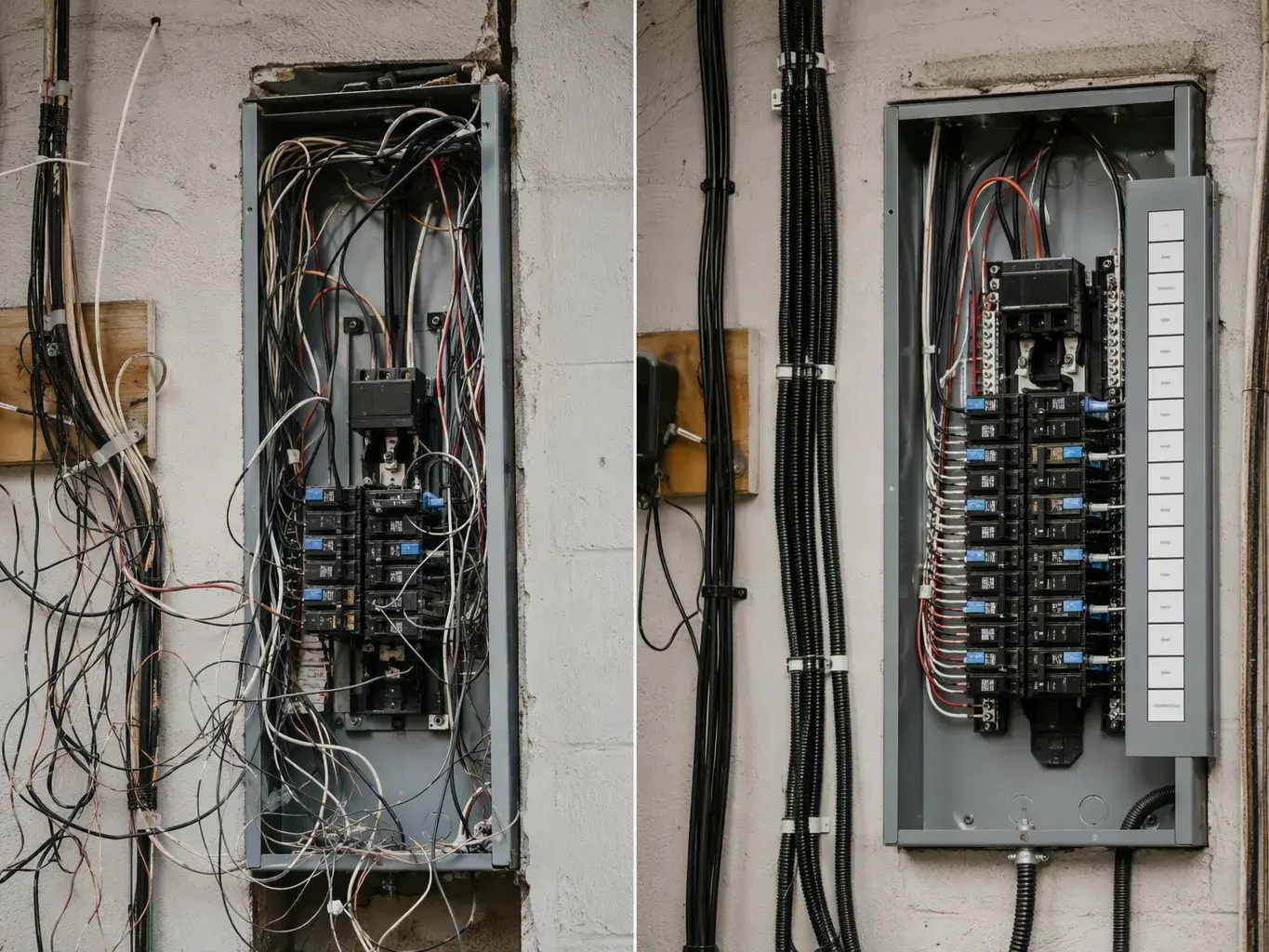
Ground-Fault Circuit Interrupterequipment protects people from electric shock. The shock comes from current leaving its normal circuit path.GFCI compares outgoing current on the ungrounded conductor. It compares this current with returning current on the grounded conductor. A difference means current may flow through a person or wet surface. It may also flow through damaged insulation or another unintended path.
Related glossary terms: Arc-Fault Circuit Interrupter, Ground Fault, Electrical Grounding.
A GFCI can be built into an outlet, a circuit breaker, or portable power equipment. It doesn't wait for a large fault current like a standard breaker. Instead, it responds to a small imbalance and opens the circuit quickly. The device limits hazardous current time, but it can't prevent every shock or electrical danger.
How Ground-Fault Circuit Interrupter Works, Is Measured, or Is Used?
Inside a GFCI, a sensing transformer monitors circuit current. Under normal conditions, outgoing and returning currents cancel each other. If current travels through an unintended route, the device senses the difference. It then trips an internal disconnect. The LINE terminals receive incoming power. LOAD terminals can provide downstream GFCI protection when wired correctly.
Most personnel-protection GFCI devices trip at about 4 to 6 milliamperes. The National Electrical Code and product standards govern installation and performance needs. Exact trip behavior depends on the listed device and testing conditions. Pressing.TEST button should interrupt power. Pressing RESET should restore power after clearing the fault. A device that won't reset needs investigation. Repeated trips also need investigation. A device that fails its test needs investigation. Don't keep resetting the device.
Why Ground-Fault Circuit Interrupter Matters?
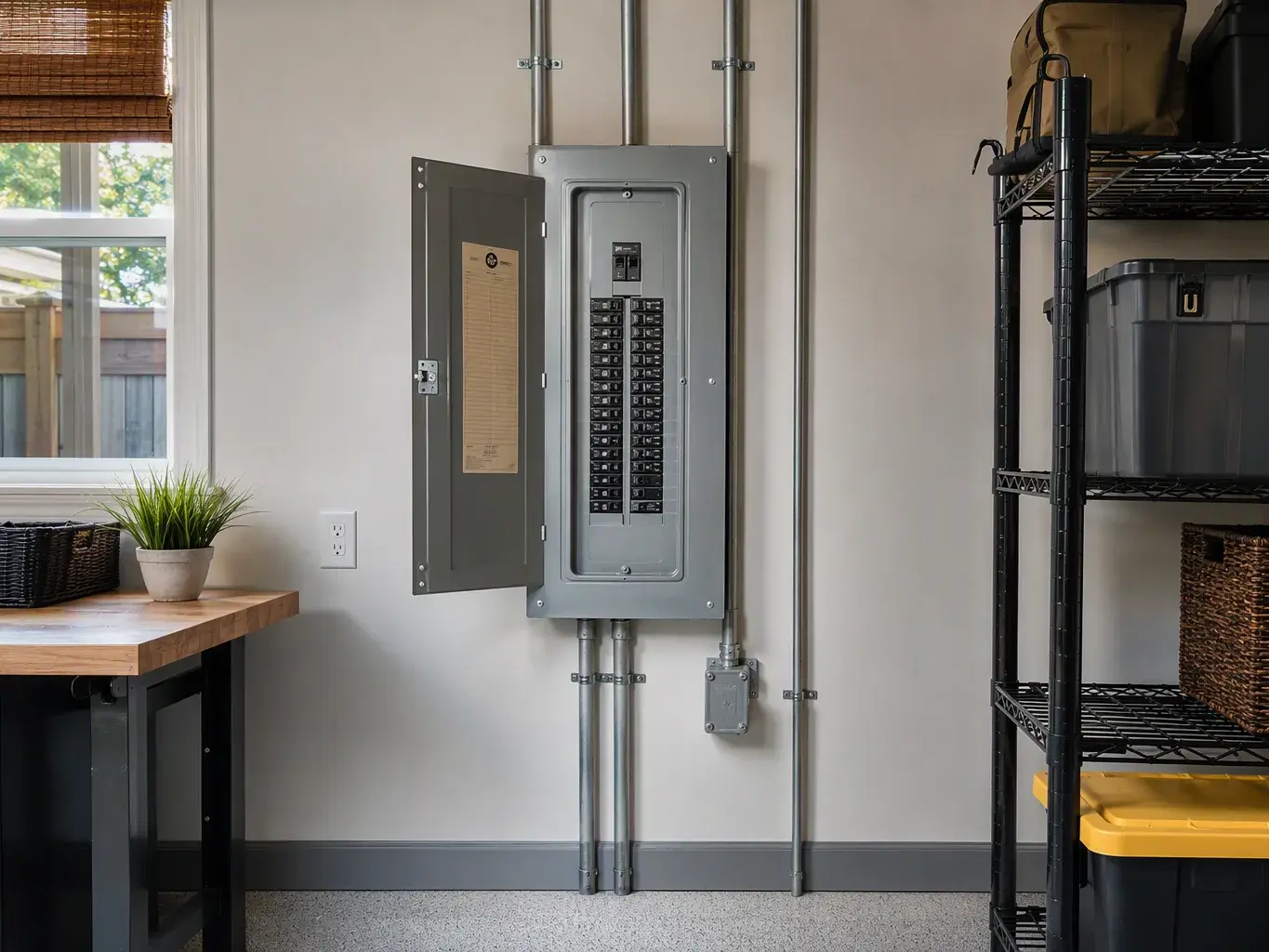
A GFCI matters because water and grounded surfaces create body current paths. Damaged cords can also create a path through the human body. Bathrooms, kitchens, laundry areas, and garages need special attention. Unfinished basements, exterior receptacles, and pool equipment also need care. GFCI protection adds a fast disconnect layer. It helps stop a minor leakage problem from becoming severe shock.
GFCI protection also helps identify wiring and equipment problems. Repeated trips may point to moisture or a damaged appliance. They may also show reversed connections or neutral-to-ground contact downstream. A failing device can also cause repeated trips. Replacing the outlet without finding the cause can leave the hazard. A proper evaluation checks the wiring and connected loads. It also checks the grounding path and device function.
When Ground-Fault Circuit Interrupter Matters Most?
GFCI requirements matter during remodeling and new circuit installation. They also matter during electrical inspections and damp-location repairs. Local code enforcement follows the adopted edition.National Electrical Code. Required locations can depend on building type and construction date. They can also depend on local amendments. An older installation may have been legal when built. It may still need updates during certain work.
Pay attention when a receptacle near water lacks TEST or RESET buttons. Watch for outdoor outlets without weather-resistant covers. Also check when one device controls several downstream outlets. A GFCI receptacle may protect other outlets through its LOAD terminals. A tripped device can make distant outlets lose power. Before replacing a unit, identify the circuit. Turn off the panel breaker and verify power is off. Confirm the replacement has the correct rating and wiring arrangement.
How to Evaluate Ground-Fault Circuit Interrupter?
- Press TEST, confirm that power stops, then press RESET and verify that power returns.
- Check whether the device is listed for the location, load, voltage, and outdoor or damp conditions.
- Look for correct LINE and LOAD wiring when downstream receptacles are intended to receive protection.
- Investigate repeated trips instead of repeatedly resetting the device.
- Confirm that required locations follow the locally adopted National Electrical Code.
Related Concepts Compared
Ground-Fault Circuit Interrupter vs. Arc-Fault Circuit Interrupter
An AFCI detects electrical arcing that can start fires, while a GFCI detects current leaking from its intended path. Some breakers provide both forms of protection.
Ground-Fault Circuit Interrupter vs. Standard Circuit Breaker
A standard breaker mainly protects wiring from overloads and short circuits. A GFCI responds to much smaller current imbalances that may create a shock hazard.
Ground-Fault Circuit Interrupter vs. Equipment Grounding
Equipment grounding provides a low-resistance path for fault current and helps operate overcurrent protection. GFCI protection monitors current imbalance and can trip even when grounding is limited.
Expert Note
A GFCI that trips repeatedly is reporting a condition, not merely creating an inconvenience. Moisture, a connected appliance, shared neutral wiring, downstream contact, or a failed device can cause the trip. Testing the circuit and connected loads is safer than installing replacement outlets until the tripping stops.
Common Mistakes or Myths About Ground-Fault Circuit Interrupter
- Assuming a GFCI protects against overloads or short circuits.
- Replacing a tripping device without checking connected appliances and downstream wiring.
- Connecting LINE and LOAD conductors incorrectly.
- Using an outdoor GFCI without suitable weather protection.
- Treating a failed TEST button as normal operation.
Ground-Fault Circuit Interrupter in Practice: A Real-World Example
A bathroom receptacle trips when a hair dryer is plugged in. The GFCI may be responding to leakage from the appliance, moisture, or a wiring problem. Unplugging the dryer and testing the receptacle can narrow the cause, but repeated trips require circuit diagnosis.
Sources & Further Reading on Ground-Fault Circuit Interrupter
Related Services
Related Terms
Arc-Fault Circuit Interrupter
Arc-Fault Circuit Interrupter is a protective device that detects dangerous electrical arcing and disconnects power before…
Ground Fault
Ground Fault is an unintended electrical connection between an energized conductor and ground, a grounded surface…
Electrical Grounding
Electrical Grounding is a safety system that connects electrical equipment and circuits to the earth or…
National Electrical Code
National Electrical Code is the United States standard for safe electrical design, installation, and inspection. The…
ElectricianCincinnatiOH.com
Have Questions About Ground-Fault Circuit Interrupter?
Contact ElectricianCincinnatiOH.com for practical guidance on Ground-Fault Circuit Interrupter and related 24 hour electrician work in Cincinnati.