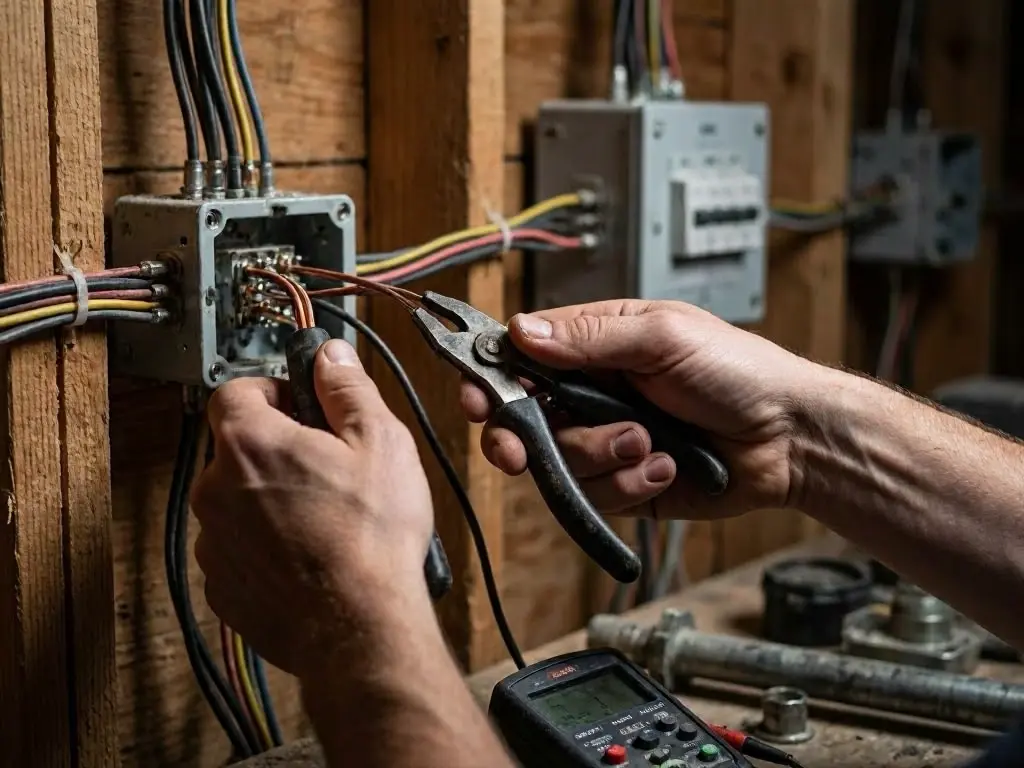
Common Electrical Outlet and Switch Problems in Cincinnati and When to Call an Electrician
Electrical outlet problems require calling an electrician when you notice sparking, warm or discolored outlets, outlets that stop working, or malfunctioning light switches. These signs can point to wiring trouble or fire risk. A licensed electrician can make safe repairs and keep the work in line with Cincinnati Electrical codes.
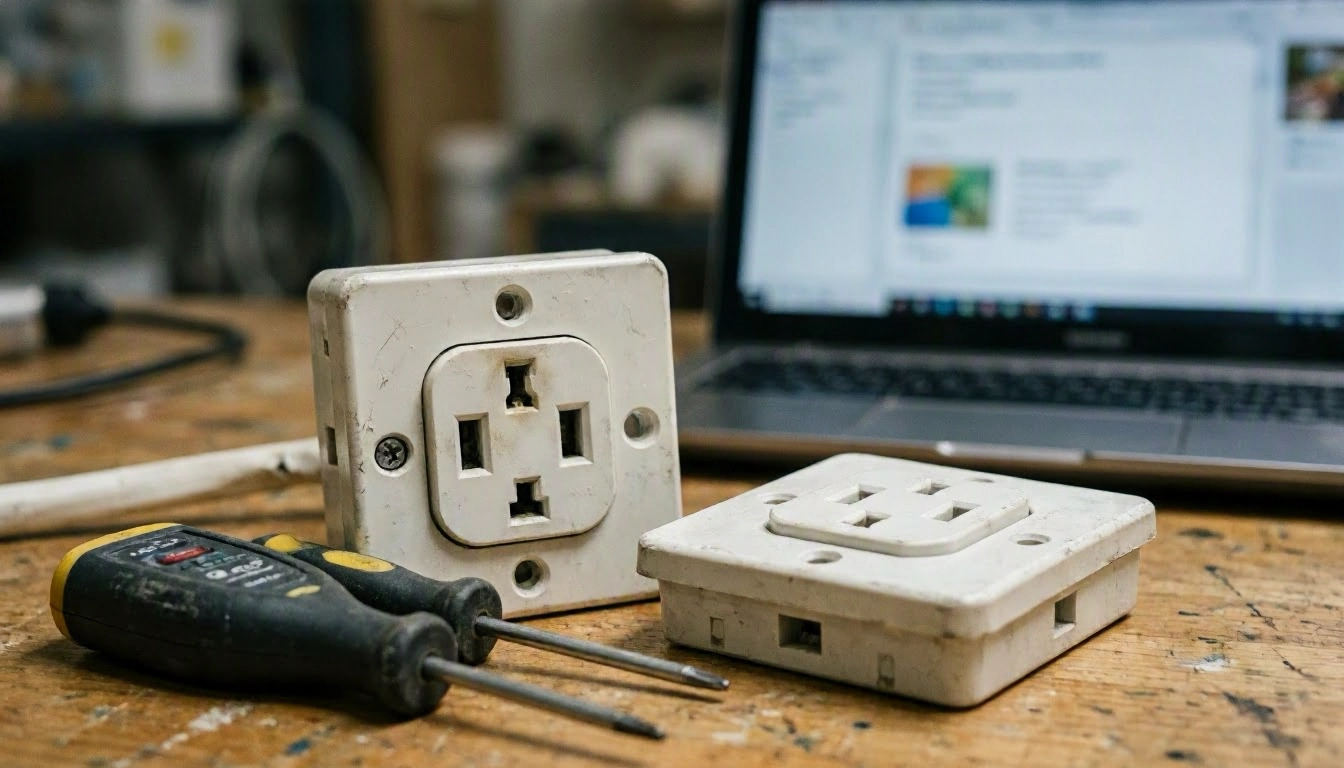
When to Call an Electrician Services Outlet Problems in Cincinnati?
Electrical outlet problems require calling an electrician when you experience sparking, warm or discolored outlets, outlets that stop working, or faulty light switches to prevent hazards and ensure safe repairs.
If a receptacle sparks more than a tiny snap, it needs quick attention. The same goes for outlets that feel hot, show brown marks, smell burnt, or stop working. A switch also needs help if it buzzes, feels loose, or stops controlling the light. These are not minor power outlet issues. They often mean hidden wiring trouble, worn parts, overloaded circuits, or failing connections.
In Cincinnati, many older homes still have aging devices and older wiring. Some also have cloth-insulated wiring or two-slot receptacles from decades ago. Those setups were common then, but they fall short of modern safety needs. Our crews often find that a simple socket issue points to a bigger Electrical repair need. Cincinnati’s humid climate can also speed up corrosion, especially in basements, kitchens, and outside walls.
You should also call if a GFCI reset button will not stay set. Call if a dead outlet comes with flickering lights nearby. Repeated breaker trips in the same area are another clear warning. Local permitting rules matter too, and some outlet or wiring work should be inspected. When our team handles Electrical Outlet Installation in Cincinnati, we make sure the work is safe, grounded, and ready for inspection when needed.
Common Signs and Symptoms of Electrical Outlet Issues
Common signs of Electrical outlet problems include sparking, warm or discolored outlets, buzzing sounds, outlets not working, and flickering lights, all indicating potential Electrical faults.
These signs often show up before a full failure happens. Catching them early can help prevent shock risk or fire risk. If you notice more than one sign in one spot, stop using that device until it is checked.
Why Is My Outlet Sparking or Warm? Causes and Risks?
Outlets spark or become warm due to loose wiring, overloaded circuits, or damaged components, which can cause Electrical fires or shocks if not repaired promptly by a qualified electrician.
A small blue snap can happen when a plug first makes contact, But repeated sparking, visible flashes, smoke, or popping sounds are warning signs. In many homes, the cause is a loose wire, worn outlet contact, or plug that fits badly. When power jumps across a gap, arcing can happen. That arc creates heat and can damage the outlet and wiring behind it.
A warm receptacle is also a red flag. Space heaters, microwaves, air fryers, and window AC units can strain an older branch circuit. If the outlet or wiring is already worn, that extra load creates heat fast. Moisture can make the problem worse. In Cincinnati homes, humidity and damp basements can cause corrosion on contacts and terminals.
The risks include melted insulation, tripped breakers, appliance damage, shock, and fire. Do not ignore a hot or smoking receptacle. Do not keep resetting a tripping breaker without finding the cause. Our team can inspect the circuit, test load and grounding, and suggest the right repair or Electrical maintenance.
What to Do When an Electrical Outlet Stops Working in Cincinnati?
When an Electrical outlet stops working, first check your circuit breaker, test other outlets, avoid DIY fixes, and call a licensed electrician for inspection and repair to ensure safety.
In older Cincinnati properties, a dead receptacle is often tied to aging devices or brittle wiring. Some homes still have older two-slot outlets that need closer review. Local permitting and inspection rules also matter once work goes beyond a basic replacement. We handle troubleshooting, repairs, and upgrades so the fix meets current safety standards.
Light Switch Problems: Causes and When to Replace
Light switch problems often arise from worn-out switches, faulty wiring, or loose connections; replacing or repairing them promptly prevents Electrical hazards and restores proper function.
If a switch crackles, feels hot, or works only after you jiggle it, the device may be worn out. A light switch not working can also point to a loose wire, a failed fixture, or circuit trouble. In older homes, years of use can wear down the spring and contact points inside the switch. Then it can no longer make a solid connection.
Replacement is often the best move when a switch feels soft, loose, or delayed. The same is true when flickering follows that one control. A damaged switch can arc inside the wall box, just like a failing receptacle. That creates heat, noise, and possible wire damage. Humidity can add to the wear in bathrooms, basements, and exterior areas.
We often recommend light switch replacement instead of repeated patching if the device is old. We also look closely if the box shows heat damage. If the switch location needs grounding updates, box fill correction, or new wiring, a licensed electrician should handle it. Light Switch Replacement may look small, but what sits behind the cover plate matters most.
Should I Replace Two-Prong Outlets in Cincinnati Homes?
Replacing two-prong outlets with grounded three-prong outlets is recommended for safety and code compliance in Cincinnati homes, reducing shock risk and improving Electrical system reliability.
Yes, in many cases you should replace a two-prong outlet. But the right upgrade depends on the wiring inside the wall. Many older Cincinnati homes were built before grounded receptacles became standard. These older outlets may still work, but they offer less protection for modern electronics and appliances. A simple swap to a three-slot outlet is not always safe.
A proper upgrade may mean adding a grounded outlet or installing GFCI protection where allowed. It may also require correct labels or a branch circuit update. The best choice depends on the home’s age, the panel condition, and whether grounding wires are present. That is why older housing needs a careful inspection before outlet work starts.
There is also a local compliance issue. Some outlet replacements and larger Electrical repairs may need inspection under local permitting rules. This matters most when the work changes grounding, protection, or wiring methods. Our team can explain whether a simple device change, a grounded upgrade, or broader Electrical Outlet Installation is the safer long-term fix. Replacing outdated devices improves safety and helps modern appliances work as intended.
Preventing Electrical Outlet and Switch Problems: Tips for Cincinnati Residents
Prevent Electrical outlet and switch problems by scheduling regular inspections, avoiding overloading outlets, using proper devices, and hiring licensed electricians for installations and repairs.
Good prevention lowers the chance of sudden failures and helps control repair costs over time. It also helps keep your home in line with current Electrical code expectations. Small warning signs are much easier to fix than damaged wiring hidden behind finished walls.
Frequently Asked Questions
Related Resources
How an Electrical Inspection Works
how does an Electrical inspection work
How It WorksHow EV Charger Installation Works at Home
how does ev charger installation work
How It WorksHow 24/7 Emergency Electrical Repair Works
how does emergency Electrical repair work
What to AvoidElectrical DIY Mistakes to Avoid
Electrical DIY mistakes