Electrical Problems With Generators, EV Chargers, and High-Power Equipment
High-power electrical emergencies need quick action and expert help. Turn off the equipment if it’s safe. Keep people away from the area. Call a qualified electrician for help. Tripping breakers, burning smells, heat, sparks, shocks, or generator problems can show serious wiring or equipment damage. Don’t reset the breaker again and again. Don’t open live equipment or remove hardwired devices yourself. A 24 Hour Electrician can help with emergency disconnects, generator repair, EV charger service, and hot tub wiring checks.
Get a Free EstimateWhat to Do During a High-Power Electrical Emergency?
Stop using the affected equipment right away. Reduce the electrical load when you can do so safely. Stay away from damaged wires. Leave the area if you see smoke, fire, sparks, or active arcing. Call emergency services when needed. Otherwise, arrange an electrician’s inspection before restoring power.
Move people, pets, and flammable items away from the equipment. Don’t touch wet appliances, bare wires, melted plugs, or hot panels. You can turn off a dry appliance if its normal switch is safe to reach. Unplug standard devices only when the plug and outlet show no damage.
If the circuit breaker tripped, leave it off when you don’t know why. One trip may come from a short overload. Repeated trips can show a short circuit, ground fault, or loose connection. Don’t hold the breaker on. Don’t install a larger breaker. Don’t keep testing the circuit.
Some systems need an emergency disconnect. This switch can shut off unsafe equipment without cutting power to the whole building. A qualified electrician can install and test it. They can also check the grounding, conductors, and safety devices.Generator Installation in Cincinnati. A 24 Hour Electrician may be needed for heat, smoke, or unsafe power loss.
Signs of a Dangerous Generator, EV Charger, or High-Power Appliance Problem
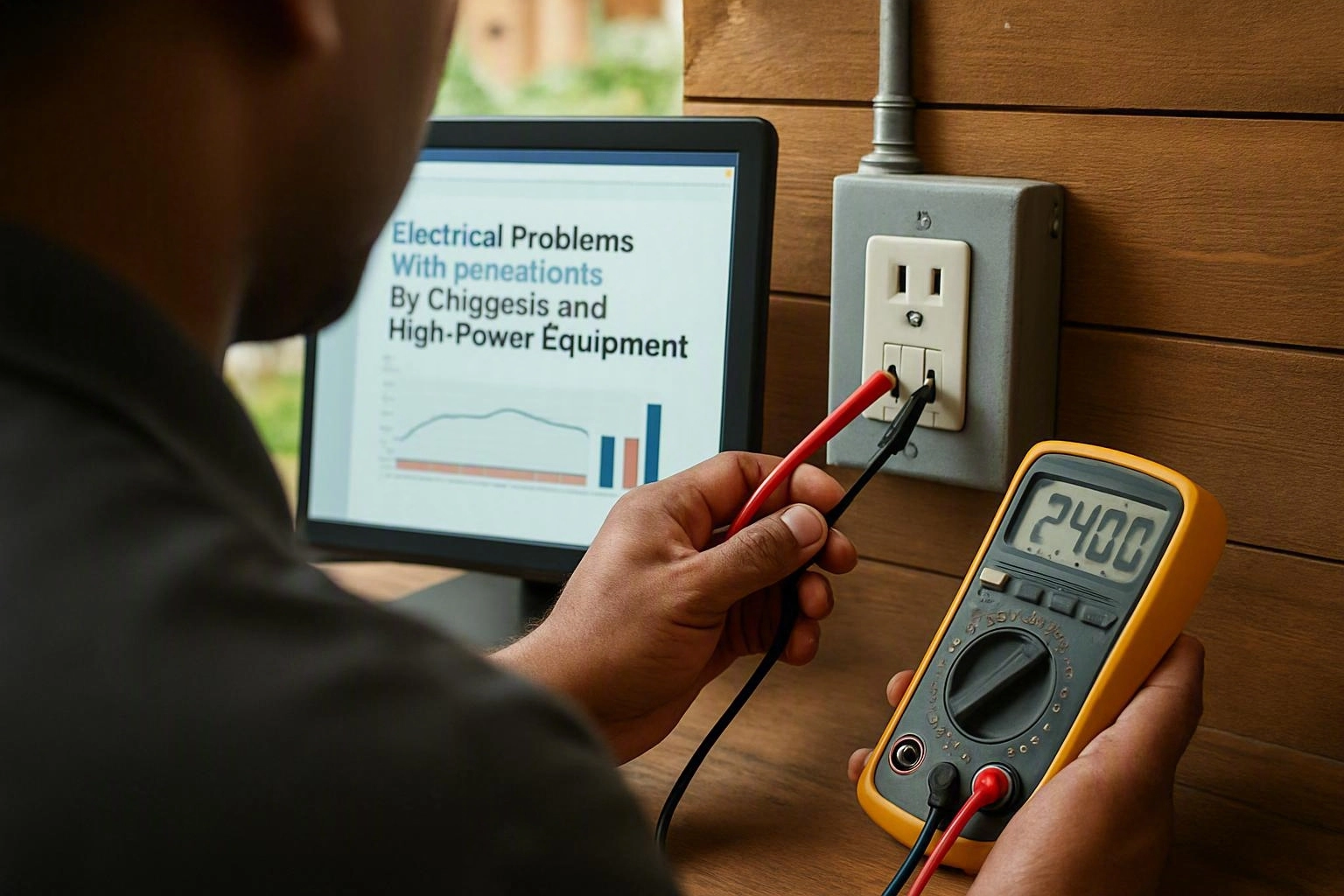
Warning signs include repeated breaker trips, heat, burning smells, buzzing, sparks, and flickering lights. Electric shocks also need quick attention. These signs may point to an overloaded circuit, damaged wire, loose connection, or faulty equipment. Stop using the appliance. Have an electrician test the system before turning power back on.
Home users may see problems when a large appliance shares power with other loads. Businesses may see them during busy work times or seasonal use. Most checks happen during a planned visit. Smoke, fire, and shock dangers need immediate action.
Why Is My Generator Causing Electrical Problems?
A generator can cause problems when its load is too large. Miswired transfer switches can also cause trouble. Other causes include poor grounding, wrong neutral settings, unstable voltage, damaged cables, and poor upkeep. Improper backfeeding can trip breakers or damage appliances. A licensed electrician should test the system.
A standby generator usually uses a generator transfer switch. This switch moves power between the utility and generator. It also stops both power sources from connecting together. A wrong or damaged switch can cause trips, unsafe voltage, or dangerous backfeed. Portable generators need approved connection equipment. Never connect one to a wall outlet.
Technicians check generator output, frequency, cables, fuel operation, and safety devices. They also check the neutral-ground bond. The right setup depends on the generator and transfer equipment. Guessing can create unsafe paths for electrical current.
Generator size must fit the expected load. Pumps and air conditioners may need extra power when starting. Businesses may run several motors, coolers, or machines at once. Long run times also add demand. Generator repair should include load testing. A visual check isn’t enough.
Common Causes of Breaker Trips, Heat, and Equipment Failure
Common causes include overloaded circuits, short circuits, ground faults, and loose connections. Small wires and wrong equipment settings can also create danger. EV chargers, generators, hot tubs, and motor loads need the right circuit size. They also need grounding, breakers, and disconnects.
Before work starts, a professional checks the load, wire size, breaker size, ground path, and disconnect location. These checks help homes and businesses stay safe. Large sites may need added checks for long run times.
Why Does My EV Charger Keep Tripping the Breaker?
An EV charger may trip because its circuit is too small or overloaded. Other causes include ground leakage, damaged wiring, a bad charger, wrong charging settings, or a sensitive GFCI device. Repeated trips aren’t normal. Stop charging. Have an electrician test the charger, circuit, wires, and safety devices.
Level 2 charging can draw a lot of steady power for hours. Charging usually counts as a continuous load. The circuit must match the charger’s rated current and safety needs. A dedicated circuit keeps other devices off the circuit. It can’t fix a damaged cable or poor wire connection.
Testing may cover charger settings, breaker type, GFCI protection, insulation, voltage, grounding, and voltage drops. A tripping GFCI may be finding real leakage. It may also point to a bad device or poor equipment match. Don’t replace it with unsafe protection.
Homes and businesses may have different charging needs. One home car may charge overnight. A workplace may charge several cars each day. The load plan should include future equipment. This keeps the service, feeder, and circuits within safe limits.
How Generator, EV Charger, and Hot Tub Faults Compare?
These systems share many electrical dangers. Each one also needs different tests. Generator checks often focus on power transfer and output. EV charger checks focus on steady loads and ground leakage. Hot tub checks focus on wet areas and GFCI protection.
| Equipment | Common concern | Key checks |
|---|---|---|
| Generator | Unsafe source transfer, unstable output, or backfeed | Transfer switch, neutral-ground configuration, output, grounding, and overcurrent protection |
| EV charging station | Continuous load, leakage, or incorrect circuit settings | Dedicated circuit, GFCI protection, conductor size, voltage drop, and charger current |
| Hot tub wiring | Wet-location fault or damaged outdoor connection | GFCI operation, bonding, enclosure, disconnect, cable condition, and grounding |
Can faulty hot tub wiring cause a breaker to trip? Yes. Water, damaged insulation, a bad pump, or a leaking connection can trip a breaker or GFCI. Keep the tub off. Don’t enter the water until an electrician checks the system.
When Should an EV Charger Be Disconnected by an Electrician?
An electrician should disconnect an EV charger after repeated trips, heat, melted plastic, sparks, damaged wires, or shocks. An electrician should also disconnect a charger that stays live after a fault. Homeowners shouldn’t remove hardwired chargers. An emergency disconnect can isolate the charger and keep other safe circuits running.
Homeowners can stop charging with the normal controls. The area must be dry and free from visible damage. Keep the charger off after stopping. Don’t open it or remove its cover. Don’t pull wires from the panel. Stay away from sparks and suspected live connections.
A technician can use an EV charger disconnect to shut off the unit. They can check the panel and test the charger, cable, circuit, breaker, and power supply. Emergency shutdown matters when plastic melts or a plug changes color. It also matters after any shock.
Our team can check the original installation. We can compare it with the maker’s instructions. We can also see if a separate disconnect is needed. The rest of the building should stay powered only after testing confirms safe isolation.
How to Prevent High-Power Electrical Emergencies?
Use the right circuit size for every high-power appliance. Follow the maker’s settings and instructions. Keep connections dry and easy to reach. Test safety devices as directed. Schedule checks after changes or repairs. Never use unsafe extension cords, bypass a breaker, or backfeed a generator. Good setup and care lower the risk of fire, overload, and shock.
Most homes use one major high-load appliance on a planned circuit. Businesses may need several circuits and larger service equipment. They may also need controls for different work shifts. A professional should review future demand, not just today’s needs.
We can help compare Generator Installation, charger work, and hot tub wiring needs. Each building may need a different plan. Stop a high-load emergency early. Have a qualified electrician check the full system.
Questions About 24 Hour Electrician
Can a Generator Damage Household Appliances?
Yes. A poorly connected, overloaded, or unstable generator can harm appliances. Poor upkeep can also cause harmful voltage or frequency changes. A bad transfer switch, damaged cable, or wrong neutral-ground setup can create problems. Stop using the generator. Have a qualified electrician test its output and connections first.
How Do I Know if My EV Charger Is Faulty?
Repeated breaker trips, error messages, heat, smells, melted plastic, buzzing, or damage can show a faulty charger or circuit. Charging interruptions and electric shocks are also warning signs. Stop charging. Don’t open a hardwired unit.
What Should I Do if My Electrical Breaker Keeps Tripping?
Turn off the appliance and stop using it. Leave the breaker off when you don’t know the cause. Don’t reset it again and again. Don’t install a larger breaker or work inside the panel. Repeated trips can mean an overload, short circuit, ground fault, loose connection, or failing appliance. Arrange professional testing.
Does a Hot Tub Need a Dedicated Electrical Circuit?
Most permanent hot tubs need a properly sized dedicated circuit. They also need grounding, bonding, a suitable disconnect, and ground-fault protection. Rules depend on the equipment and site. A qualified electrician should review the maker’s instructions, wet-area conditions, circuit size, and safety devices.
Can an Electrician Install an Emergency Disconnect for an EV Charger?
Yes. An electrician can choose and install an emergency disconnect for the charger. The disconnect must match the charger, circuit, panel, site, and maker’s instructions. The work may require power shutdown and safety testing. Contact us through our service contact page to discuss the situation.
Related Resources
How Much Does Level 2 EV Charger Installation Cost in Cincinnati?
residential Level 2 EV charger installation cost Cincinnati
What It CostsWhole-Home Generator Installation in Cincinnati: Cost, Scope, and Timeline
whole house generator installation cost and process Cincinnati
How It WorksHot Tub Wiring: Installation Cost, Electrical Requirements, and Timeline
hot tub wiring electrician cost and process Cincinnati
How It WorksCommercial EV Charging Stations: Installation, Emergency Disconnects, and Repairs
commercial EV charging station installation and emergency disconnect Cincinnati