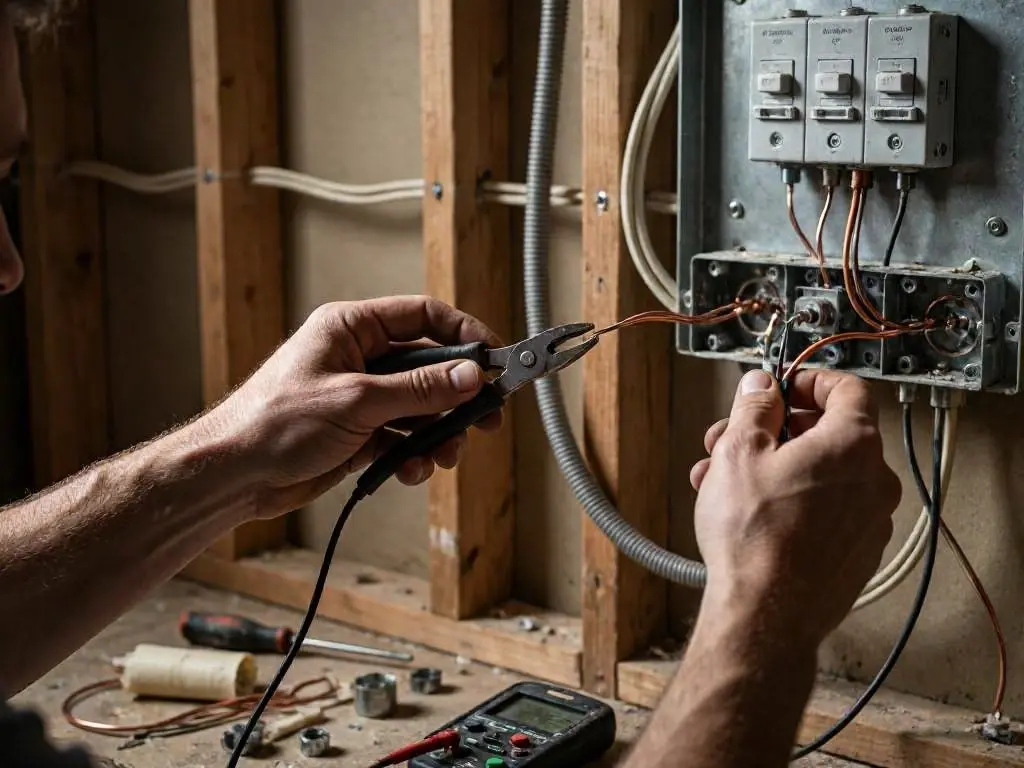
Generator Installation Options and Transfer Switch Comparison in Cincinnati, OH
Generator installation in Cincinnati includes fixed standby units portable setups with transfer switches. Standby systems cost more up front. Need transfer switch installation as part of the job. Portable generators need a portable transfer switch for safe use with home circuits. Costs change based on the system type the Electrical work needed. Most jobs take a few hours to a day. Quotes should list equipment, labor, permits, and warranty details. The best choice depends on your budget, power needs, and whether you want a permanent backup system.
Comparing Generator Installation and Portable Generator Transfer Switch Options in Cincinnati
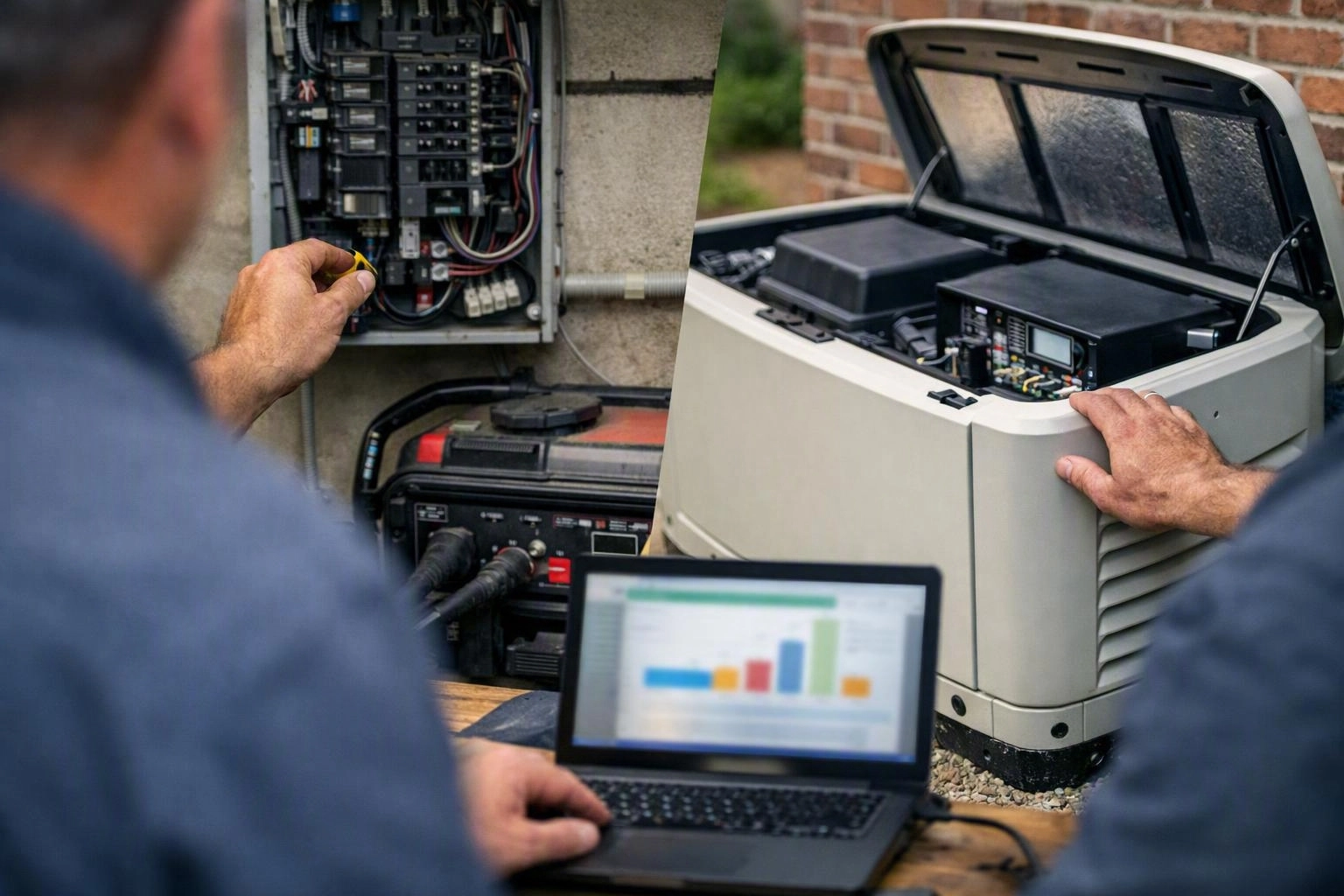
Generator installation and portable generator transfer switches differ in cost. Install time, upkeep, and best use. A standby system is permanent and automatic. A portable setup costs less at first. You must start it refuel it during an outage.
For most homes, the choice comes down to power needs, outage frequency, and convenience. Ohio storms can knock power out fast. Backup power matters to many Cincinnati homeowners. A fixed generator hookup can handle larger loads. A portable generator plan needs safe placement, fuel, and a proper connection point.
A portable transfer switch is not just a nice extra. It lets a portable unit power chosen home circuits without sending power back into utility lines. That backfeed risk is serious. A licensed Electrician should handle the work. Our team also checks for related needs. Like an Electrical panel upgrade. Minor circuit changes, before adding the connection.
| Factor | Option A: Standby Generator | Option B: Portable Generator with Transfer Switch |
|---|---|---|
| Cost | Higher upfront investment; most projects fall in a wider range because equipment, pad work, fuel hookup, and Electrical work are more involved | Lower initial equipment cost; total rises with transfer switch installation and inlet wiring |
| Timeline | Usually a half day to full day for Electrical work, sometimes longer if permits or panel changes are needed | Often a few hours to most of a day depending on switch type and circuit selection |
| Maintenance | Regular service, exercise cycles, battery checks, and fuel system upkeep | Manual testing, fueling, storage, and seasonal readiness checks |
| Best-for | Homes wanting automatic whole-home or large-load backup during frequent outages | Budget-conscious homes needing selected-circuit backup with manual setup |
Costs of Generator Installation and Transfer Switches in Cincinnati
Generator installation cost in Cincinnati varies by generator type and Electrical work. Transfer switch installation adds to the total. Portable setups usually cost less at the start. Standby systems cost more, but they give automatic backup more power for long outages.
When homeowners ask how much does generator installation cost in Cincinnati. There is rarely one flat price. A standby generator setup usually costs more because it may include the unit, pad, switchgear, fuel hookup, permits, and added labor. If the home has older service equipment. An Electrical panel upgrade may raise the total. It may also be needed for safe capacity a cleaner circuit layout.
For homes using a portable unit. Transfer switch installation is often the main expert cost. That work often includes the switch. Interlock, exterior inlet, wiring, breaker changes, labels, and testing. If you are asking how much does it cost to install a generator transfer switch, many local jobs fall in a mid-range price band. The cost still changes with circuit count, panel access, and open space in the panel.
Permits and inspections also affect the total. Cincinnati Electrical codes require licensed electricians for transfer switch installation. Local permit steps can change both cost and timing. We include those steps in our estimates. You know what the quote covers. Storm season can also tighten schedules after strong winds or ice.
Our crews also check for work homeowners may not expect. That can include wiring cleanup, grounding fixes, or service changes for a safe hookup. A lower quote may leave those items out. If that happens, the final bill can rise later.
What Should a Generator Installation Quote Include?
Understanding Transfer Switch Requirements for Portable Generators
Transfer switch requirements for portable generators exist. A home can connect safely without dangerous backfeed. In Cincinnati, a portable generator should not connect to home circuits with extension-cord shortcuts or unsafe panel tricks. Those methods can create shock, fire, and utility line hazards.
If you are asking, do I need a transfer switch for a portable generator, the practical answer is yes. That applies when you want to power home circuits through your panel. A proper switch or approved control method separates utility power from generator power. That protects lineworkers, helps protect appliances, and supports local code compliance.
A typical portable generator transfer switch installation includes an exterior inlet. Dedicated breakers or a switch mechanism, circuit labels, and wiring between the inlet and panel. Some homes only need a few key circuits. Like the fridge, lights, furnace controls, and sump equipment. Others want a larger selected-circuit plan. Our team maps those loads. The portable unit matches real demand does not get overloaded.
Panel condition matters here too. If the existing service equipment is crowded, damaged, or outdated, a panel change may be the safest step first. Generator Installation in Cincinnati often starts with that review. Safe backup power depends on the system feeding it.
Differences Between Standby and Portable Generator Installations
Standby generator installation and portable generator installation differ in permanence. Power capacity, install complexity, and cost in Cincinnati. A standby unit becomes part of the home’s backup plan. A portable system is a flexible, lower-cost choice, but it needs manual setup each time.
Typical Timeline for Generator Installation in Cincinnati
Generator installation timeline in Cincinnati typically takes several hours to a full day depending on generator type and Electrical panel upgrades. Portable transfer switch jobs are often faster. Permanent standby systems can take longer because they need more coordination, permit review, and Electrical work.
For a portable transfer switch installation. The on-site work often finishes in a few hours. That happens when the panel is easy to reach the circuit plan is simple. If our team must add an inlet, move breakers, or fix wiring issues, the work may take most of a day. A standby generator hookup usually takes longer because it has more parts and more testing.
Permits can also change the schedule. Local permit processes affect installation timelines costs in Cincinnati. Especially during busy inspection periods. After major Ohio storms, more homeowners book backup systems at the same time. That can extend lead times, even for simpler jobs. If the project also needs an Electrical panel upgrade. Expect more planning and possibly a longer service window.
Pros and Cons of Standby Generators and Portable Generator Transfer Switches
Standby generator systems offer convenience reliability but cost more. While portable generator transfer switches provide flexibility require manual setup. The better choice depends on your power needs. Outage frequency, and how much hands-on work you want.
Standby generator pros
Standby generator cons
Portable generator transfer switch pros
Portable generator transfer switch cons
Frequently Asked Questions
Related Resources
What to Expect During an Electrical Panel Upgrade
How It WorksHow EV Charger Installation Works at Home
how does ev charger installation work
What to AvoidCircuit Breaker Tripping Mistakes Homeowners Make
circuit breaker tripping mistakes
What to AvoidElectrical Panel Upgrade Mistakes to Avoid
Electrical panel upgrade mistakes