Signs an Older Home in Cincinnati, OH May Need Electrical Rewiring
Electrical wiring problems in old houses often show up as breaker trips, flickering lights, or outlets that shock. These signs can mean the wiring is old or damaged and needs repair or replacement for safety and code compliance in Cincinnati, OH homes.
Common Electrical Wiring Problems in Older Cincinnati Homes
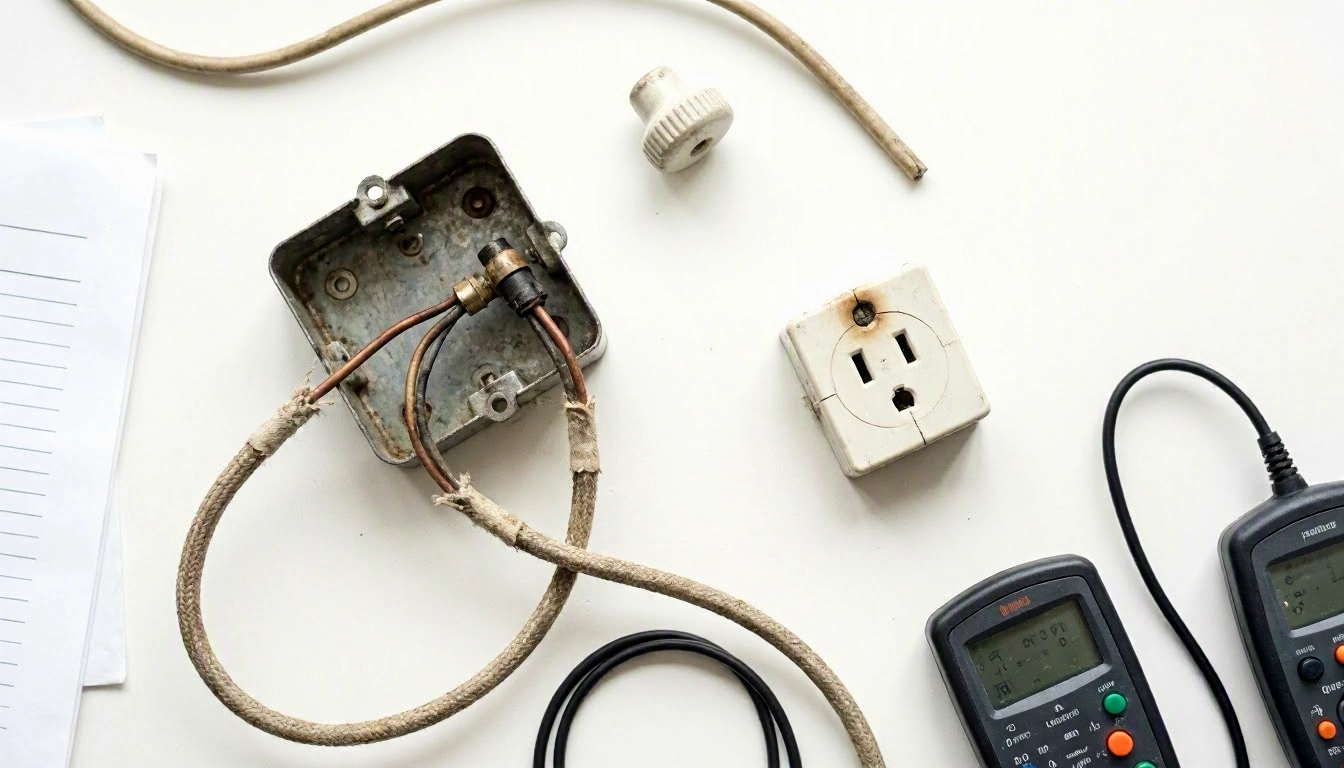
Electrical wiring problems in older Cincinnati homes include outdated materials like cloth or aluminum wiring, frequent breaker trips, flickering lights, and outlets that shock, all signaling potential hazards and the need for professional evaluation.
Many older houses still use original or partly original home wiring. That wiring was installed for a much lighter Electrical load. Years ago, a system only had to run a few lamps, one refrigerator, and a fan. Now it may power computers, kitchen appliances, HVAC equipment, chargers, and TVs all at once.
That gap causes trouble. Breakers trip again and again, and some issues are hard to track down. You may notice lights dim when an appliance starts. You might also find loose switches, loose receptacles, or outlets that shock when you touch a plug.
In many homes, the problem is deeper than one bad device. Aging old house wiring often hides behind walls and ceilings. As insulation dries out or cracks, wires can loosen or arc. In Cincinnati, seasonal humidity can speed up wear in basements, crawl spaces, and outside walls.
Old house wiring in this area often includes cloth-insulated conductors and aluminum branch wiring. Both can create Electrical hazards as they age. In older homes across Cincinnati, OH, these wiring types are still common. They raise fire risk compared with a modern grounded system.
Older panels can add to the problem. Some are too small for today's demand. Others connect to ungrounded circuits, so outlets lack proper protection. That can leave your home less safe and harder to update.
Code compliance matters too. Local rules for resale and insurance often require updates when major defects are found. That doesn't mean every old home needs a full upgrade right away, But known wiring defects shouldn't be ignored.
A proper Electrical inspection shows what your home really needs. You may need targeted Electrical Wiring Repair, circuit changes, added grounding, or wider wiring replacement. When several warning signs show up together, our team usually suggests a full review. That helps stop small issues from turning into costly damage.
Top 7 Warning Signs You Need to Rewire Your House
The top warning signs you need to rewire your house include frequent Electrical trips, flickering or dimming lights, outlets that cause shocks, burning smells near outlets, discolored or warm outlets, outdated wiring materials like cloth or aluminum, and buzzing sounds from switches or outlets.
If you're wondering about signs you need to rewire your house, look for a pattern. One bad receptacle may be a small repair. Several signs at once usually point to a bigger wiring problem. A house with shocks, breaker trips, and dimming lights often has system-wide wear.
These warning signs also matter during home sales, remodeling, and insurance reviews. Local code expectations in Cincinnati can require updated wiring when serious defects are found. That often happens when panels, receptacles, or ungrounded circuits are being changed. Waiting too long can limit what you can do later.
We often see homeowners replace a breaker or swap an outlet. Then the same problem comes back. The real issue may be hidden splices, failing insulation, or circuits extended too many times over the years. If the warning signs are spread through the home, Whole-Home Rewiring in Cincinnati may be the safer long-term fix.
Why Old House Outlets Shock and How to Address It?
Old house outlets shock due to deteriorated insulation, outdated wiring methods, or grounding issues common in older Cincinnati homes, requiring thorough Electrical inspection and possible rewiring to ensure safety.
An outlet may shock you if the receptacle is damaged or the circuit lacks a reliable ground. Broken insulation can also cause it. In older homes, two-prong outlets and ungrounded branch circuits are common. That means stray current may not clear the way it should.
Loose wires can energize metal parts. That can cause a tingle or a stronger shock when you plug something in. Moisture makes the problem worse. Basements, kitchens, baths, and outside walls are higher-risk areas because humidity can speed up wear and corrosion.
If shocks happen at one outlet, the issue may still start farther back in the circuit. If several receptacles act the same way, the problem is often bigger than one failed device. It may point to wider Electrical wiring problems in old house circuits.
The right fix starts with Electrical inspection, not guesswork. We check grounding, polarity, receptacle condition, splice quality, panel protection, and missing GFCI protection. The fix may be a new receptacle, a grounding upgrade, targeted Electrical Wiring Repair, or full rewiring if the whole circuit is unsafe.
Cloth and Aluminum Wiring Problems in Older Cincinnati Homes
Cloth and aluminum wiring present significant problems in older Cincinnati homes, including fire hazards, corrosion, and poor conductivity, making rewiring essential for safety and code compliance.
Cloth wiring can turn brittle as it ages. The fabric cover dries out, frays, and stops protecting the conductor well. Once that insulation breaks down, wires may arc against framing, metal boxes, or other wires. In attics and wall cavities, this damage can stay hidden for years.
You may first notice flickering lights. A breaker may trip, or you may smell something burnt. Seasonal humidity can make the wear worse by affecting old insulation and loose connections. That's one reason older homes need careful inspection.
Aluminum wiring has a different problem. Aluminum expands and contracts more than copper. That can loosen connections over time. It also oxidizes, and that corrosion can raise resistance at the connection point.
More resistance means more heat. More heat means more fire risk. These problems often show up at outlets, switches, and fixtures. Older terminations were not always built for modern demand.
These materials matter in older Cincinnati homes because many properties still use original circuits. That affects safety, but it can also affect paperwork. Insurance carriers and home buyers often pay close attention to older wiring types. Local code expectations may also require updates during remodeling or resale work.
Not every home with cloth-insulated or aluminum conductors needs the same fix. Some homes need complete Whole-Home Rewiring. Others do better with a phased Electrical upgrade, starting in the highest-risk areas. A professional electrician can inspect the full system and help you choose the right next step.
DIY vs Professional Electrical Wiring Repair and Rewiring
DIY Electrical wiring repair risks safety and code violations, whereas professional electricians in Cincinnati provide expert inspection, code-compliant rewiring, and reliable installation ensuring home safety and longevity.
| Factor | DIY | Professional |
|---|---|---|
| Safety | Higher risk of shock, arcing, and hidden mistakes behind walls | Safer troubleshooting methods and tested repairs |
| Code compliance | Easy to miss grounding, GFCI, AFCI, box fill, and permit requirements | Work is planned to meet current local requirements |
| Diagnosis | Often limited to obvious outlets or switches | System-wide testing finds overloads, damaged conductors, and grounding issues |
| Tools and materials | May rely on basic testers and guesswork about compatible parts | Uses proper testing equipment and approved materials for the home wiring |
| Scope of repair | Best limited to very minor device changes where legal and safe | Can handle targeted Electrical Wiring Repair or full rewiring |
| Long-term reliability | Patch fixes may not solve recurring breaker trips or flickering lights | Repairs address root causes and support long-term system performance |
| Project size | Typical for homeowners only at the smallest end, if allowed | Handles partial rewires, panel coordination, and complete wiring replacement |
| Cost outlook | Lower upfront cost but higher chance of repeat repairs or failed inspections | Higher initial investment, but fewer callbacks and safer results |
In older homes, DIY work can look easy at first. The problem may seem like one outlet, one switch, or one tripping breaker, But older circuits often hide mixed wire types, missing grounds, reversed polarity, or hidden junctions. A small mistake can create a serious fire risk.
That risk gets higher when cloth-insulated conductors or aluminum branch wiring are present. Professional help matters for another reason too. Local code and insurance rules can come into play when Electrical work is done in aging homes. If you're planning to sell, remodel, or finish a basement, unresolved wiring defects can slow the whole project.
Our team can inspect the system and explain the options in plain language. You may need a small repair. You may need a phased rewire. In some homes, a full Electrical wiring installation update is the smarter choice.
How to Tell if Your House Wiring Needs Replacing?
The Importance of Electrical Inspection for Older Homes in Cincinnati
An Electrical inspection gives you a clear answer about safety, performance, and code compliance before you spend money on the wrong fix. In older homes, many wiring defects stay hidden behind plaster, panel covers, and finished surfaces. A quick look usually isn't enough.
For properties in Cincinnati, OH, inspection matters because older housing stock often still uses original wiring methods. It also matters for resale, insurance questions, and remodeling plans. If serious hazards are found, local expectations may require updates. We use inspection findings to separate small device problems from larger system issues.
Frequently Asked Questions
Related Resources
How an Electrical Inspection Works
how does an Electrical inspection work
How It WorksHow EV Charger Installation Works at Home
how does ev charger installation work
What to AvoidElectrical DIY Mistakes to Avoid
Electrical DIY mistakes
What to AvoidElectrical Panel Upgrade Mistakes to Avoid
Electrical panel upgrade mistakes