Why a Home Electrical Inspection Matters in Cincinnati, OH
A home Electrical inspection identifies safety hazards, faulty wiring, and outdated components, ensuring your Cincinnati home’s Electrical system is safe and efficient, providing clear next steps and preventing costly repairs.
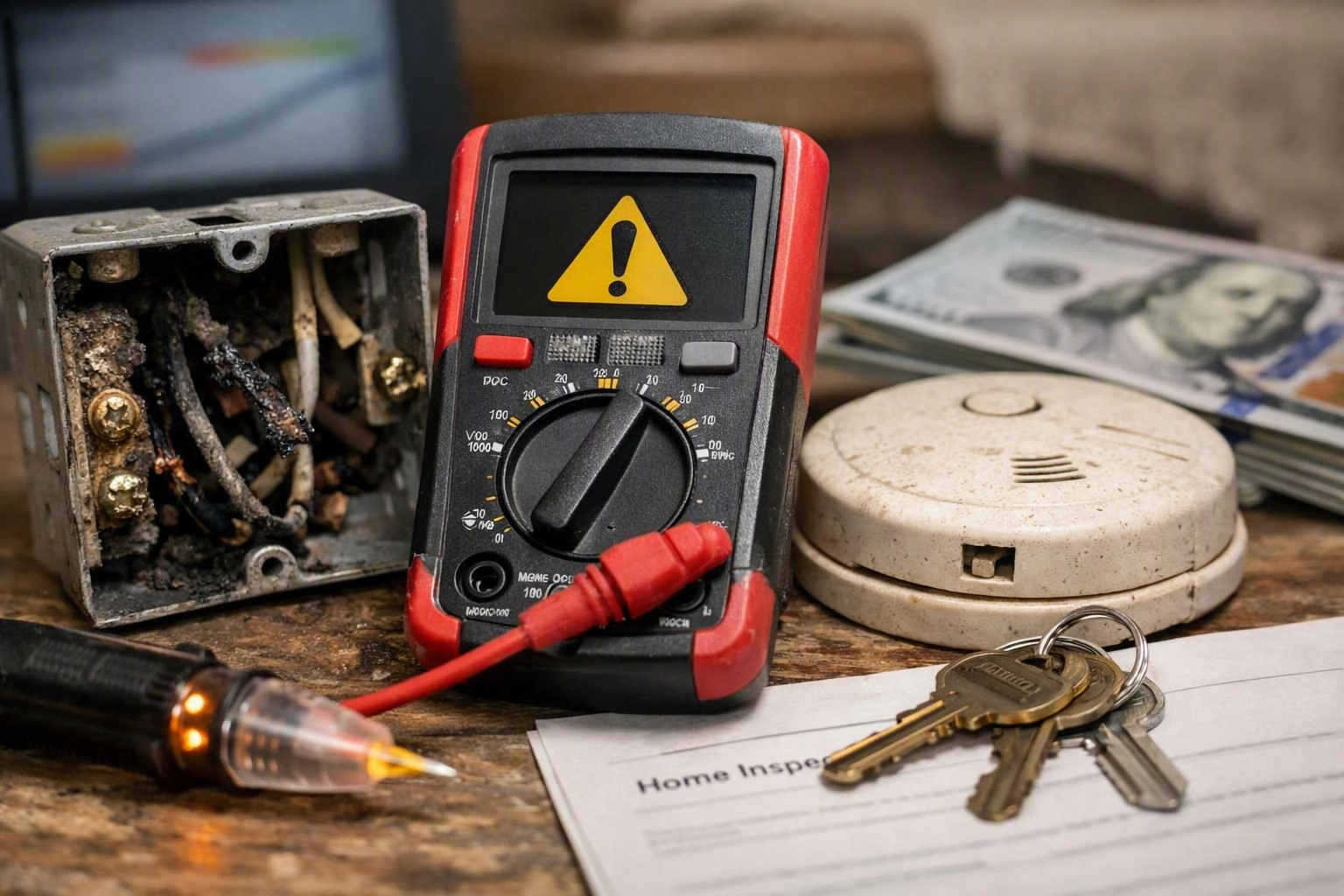
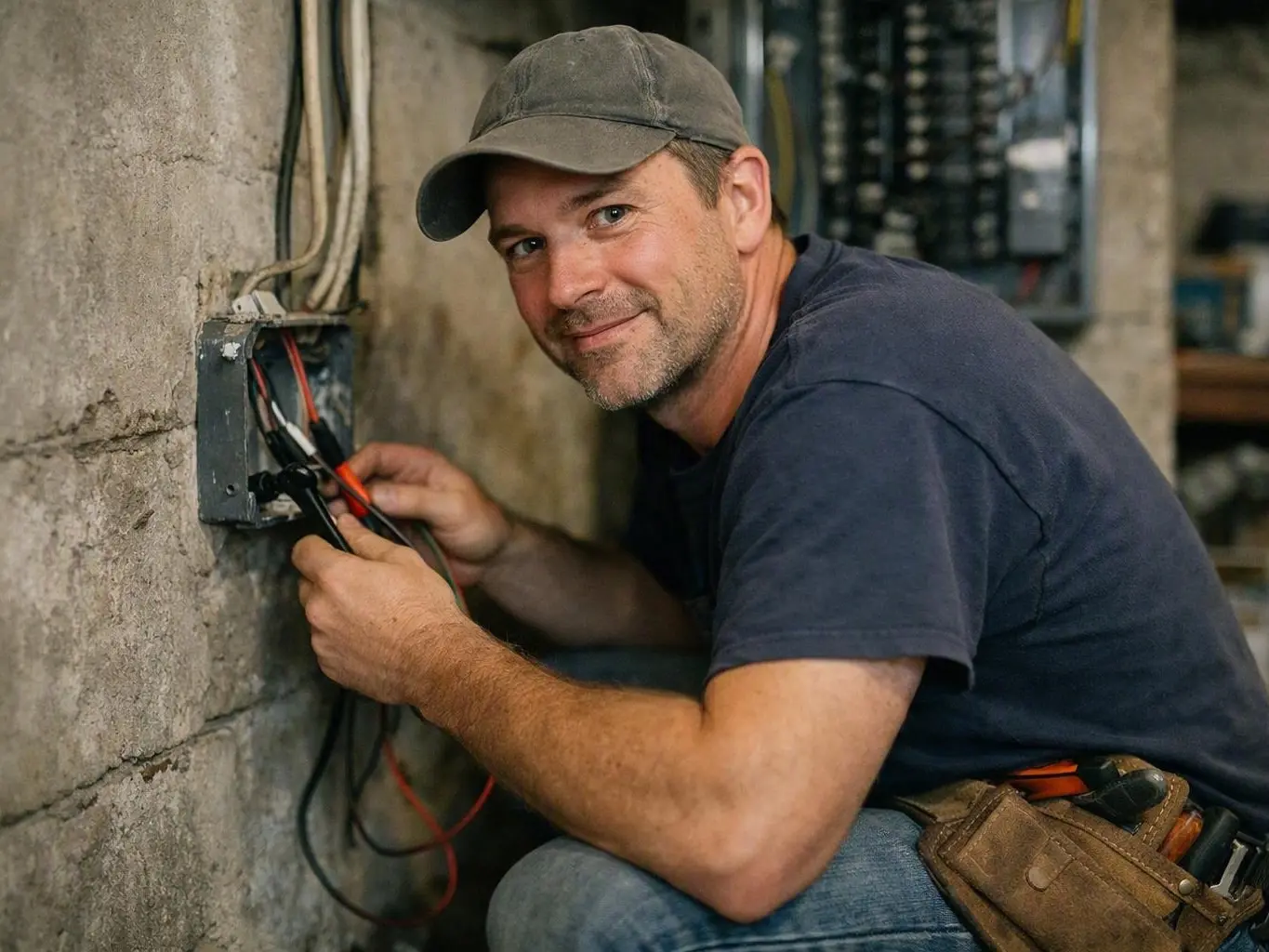
A home Electrical inspection helps protect your home by finding safety risks, hidden faults, and worn parts. In many houses, this check catches trouble before it leads to outages, shocks, or major damage.
In Cincinnati, many homes are older, and storms can put extra stress on Electrical systems. Our team follows a clear checklist. Checks the home Electrical system. Explains what needs attention now. We also point out what can wait. What may need Electrical Wiring Repair.
Key Benefits of a Home Electrical Inspection in Cincinnati
Home Electrical inspection in Cincinnati offers key benefits including identifying Electrical hazards. Ensuring code compliance, and preventing fire risks, which protect your home and increase safety.
The main answer is simple, the benefits of Electrical inspection home owners care about most are fewer surprises, better Electrical safety, and clearer planning for repairs or upgrades. A good home wiring inspection can show if your wiring. Outlets, breakers, and safety devices are working as they should.
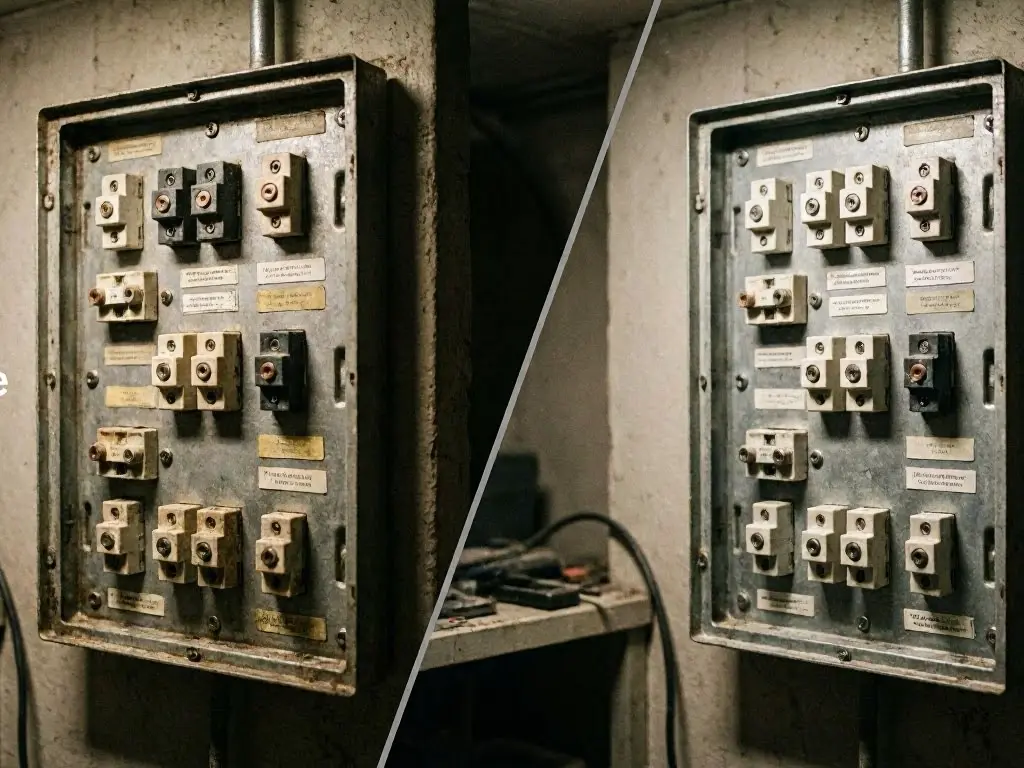
This matters in Cincinnati because many neighborhoods have older homes. Older branch circuits, worn devices, ungrounded outlets, and crowded panels still show up often. A careful Electrical safety audit helps catch those issues early. Before they grow into bigger home problems.
Inspections also help with code compliance. Local Electrical code updates can affect outlet protection. Panel labels, grounding, and smoke alarm placement. Even if your home once passed, later remodels. Additions may mean parts of the system should be checked again. That is why many owners book an Electrical Inspection after buying a house. Finishing a basement, or updating a kitchen.
Another benefit is better protection during storm season. Seasonal storms in this region can stress appliances and electronics. Surge protector installation often comes up during an inspection. If we see that whole-home surge protection. An Electrical panel upgrade would help, we say so clearly. Then we explain the next steps.
Most of all, an inspection replaces guessing with facts. Instead of wondering if dimming lights, warm outlets, or tripping breakers are normal, you get a clear picture. You’ll know the system condition, the likely risks, and your repair or upgrade options.
Enhanced Safety and Fire Prevention
Detecting Faulty Wiring and Electrical Issues
Ensuring Compliance with Local Electrical Codes
What Does a Home Electrical Inspection Check?
A home Electrical inspection checks wiring condition, circuit breakers, outlets including GFCI types, Electrical panels, and smoke detectors to ensure all components function safely and meet standards.
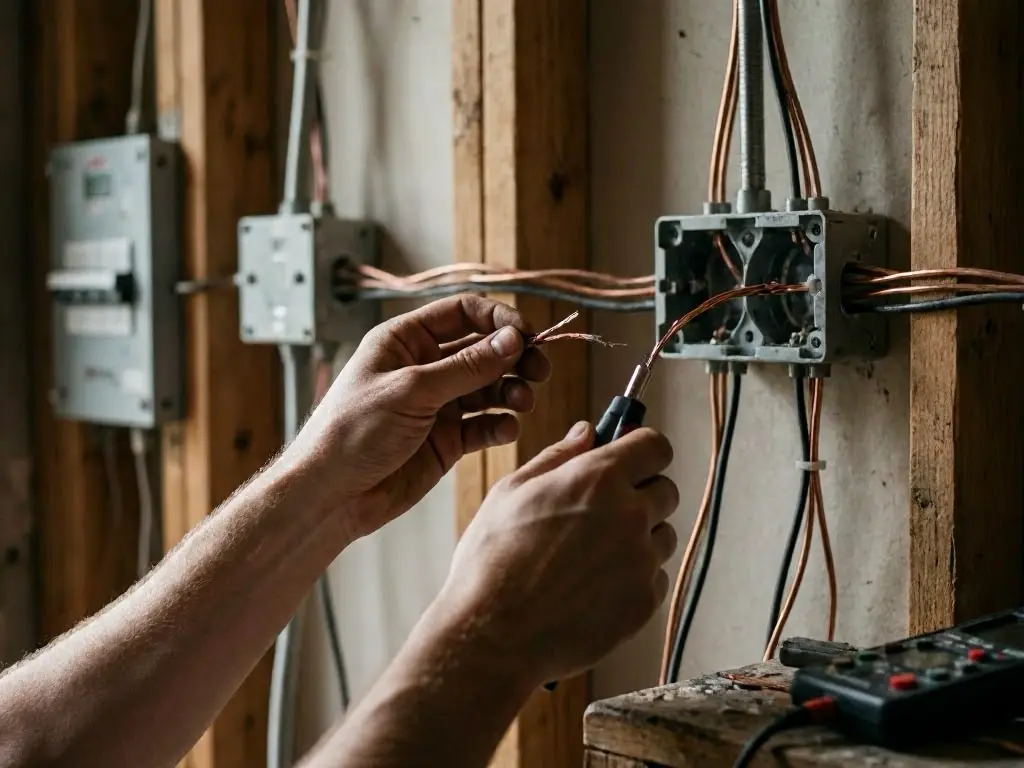
The short answer to what does an Electrical inspection check is that it reviews the parts of your home Electrical system most likely to affect safety, reliability, and code compliance. A thorough Electrical system check looks at visible parts. Tests protection devices, and flags wear, damage, or outdated equipment.
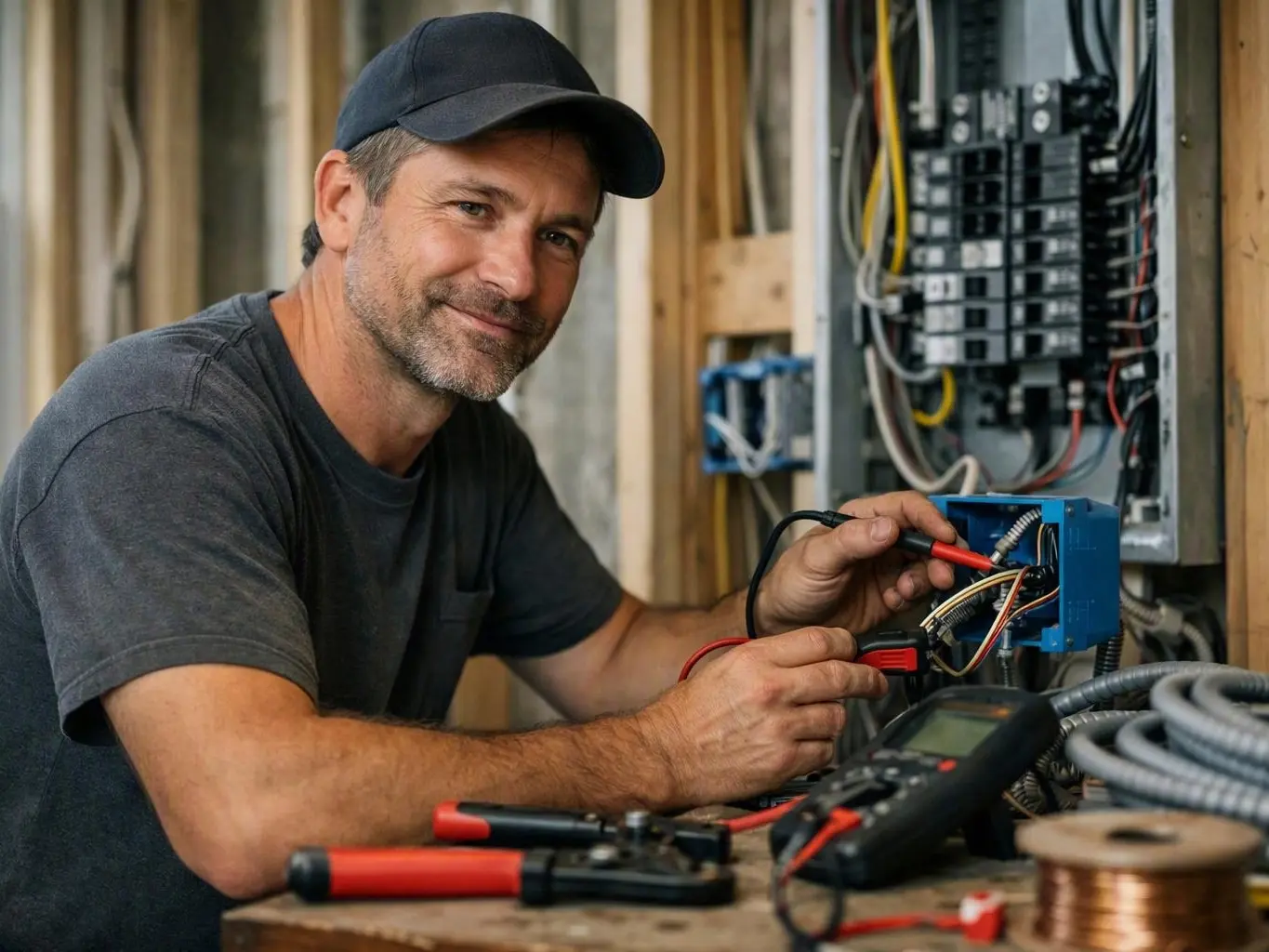
When our crews perform an Electrical Inspection in Cincinnati. We focus on what is visible, testable, and tied to real home use. If we find concerns, we explain them in plain language. You’ll know what is a safety issue. What affects speed, and what is simply older equipment wearing out.
How Often Should You Schedule a Home Electrical Inspection in Cincinnati?
In Cincinnati, a home Electrical inspection is recommended every 3-5 years. After major renovations to maintain safety. Detect potential Electrical issues early.
The practical answer to how often should a home Electrical inspection be done depends on the home’s age, recent updates, and warning signs. Frequent breaker trips, warm outlets, or flickering lights are all reasons to schedule one sooner. For many homes, every three to five years is a sensible inspection frequency.
This timing matters even more in homes with older wiring. Much of the local housing stock was built before today’s appliance loads, electronics, and outlet protection rules. A home wiring inspection can reveal changes that would improve home Electrical safety. Even if things seem fine day to day.
It’s also smart to schedule a review before buying selling a home. After repeated outages, or before an Electrical panel upgrade. If you’re not sure what you need. An experienced Electrician can help. You may need a full inspection. A focused safety audit, or a repair visit.
Typical Findings: Can Electrical Inspections Detect Faulty Wiring and GFCI Issues?
Electrical inspections reliably detect faulty wiring, damaged outlets, and test GFCI outlets’ functionality to prevent shocks and Electrical failures.
Yes, this is one of the main reasons people book an inspection. A careful Electrical inspection can find faulty wiring. Test GFCI outlets, and spot wear in visible devices and equipment.
Measurable Outcomes of Regular Electrical Inspections
The key measurable outcome is early action. Regular reviews of the home Electrical system usually lead to fewer emergency calls. Lower repair costs over time. Steadier speed from outlets, breakers, and connected equipment.
| Area | Typical Before Inspection | Typical After Inspection and Follow-Up | Illustrative Outcome |
|---|---|---|---|
| Fire risk exposure | Hidden loose connections or aging devices remain unnoticed | Priority hazards are identified and corrected | |
| Repair costs | Problems grow until they require urgent repairs | Small defects are found earlier and planned out | Often lower total repair costs than waiting for failure |
| System reliability | More nuisance trips, flicker, and intermittent outlet issues | Trouble spots are traced and corrected | Typical improvement in day-to-day reliability and fewer surprise outages |
| Code alignment | Older installations may not match newer safety expectations | Needed updates are identified after review | Better readiness for renovation, sale, or insurance questions |
| Appliance and electronics protection | Storm-related surges create repeat stress on equipment | Protection gaps are found and surge solutions considered | Typical reduction in avoidable surge-related problems |
These figures are illustrative and show common results, not guaranteed ones. The real value is simple. Inspections support safer use, smarter repair planning, and fewer preventable failures.
Frequently Asked Questions
Related Resources
How an Electrical Inspection Works
how does an Electrical inspection work
How It WorksWhat to Expect During an Electrical Panel Upgrade
How It WorksHow 24/7 Emergency Electrical Repair Works
how does emergency Electrical repair work
What to AvoidElectrical DIY Mistakes to Avoid
Electrical DIY mistakes