EV Charger Installation and Electrical Panel Upgrade Services in Cincinnati, OH
EV charger installation often needs an Electrical panel upgrade to handle the added power demand. Our Cincinnati electricians check your panel capacity, install needed breakers, and upgrade wiring for safe, efficient charging.
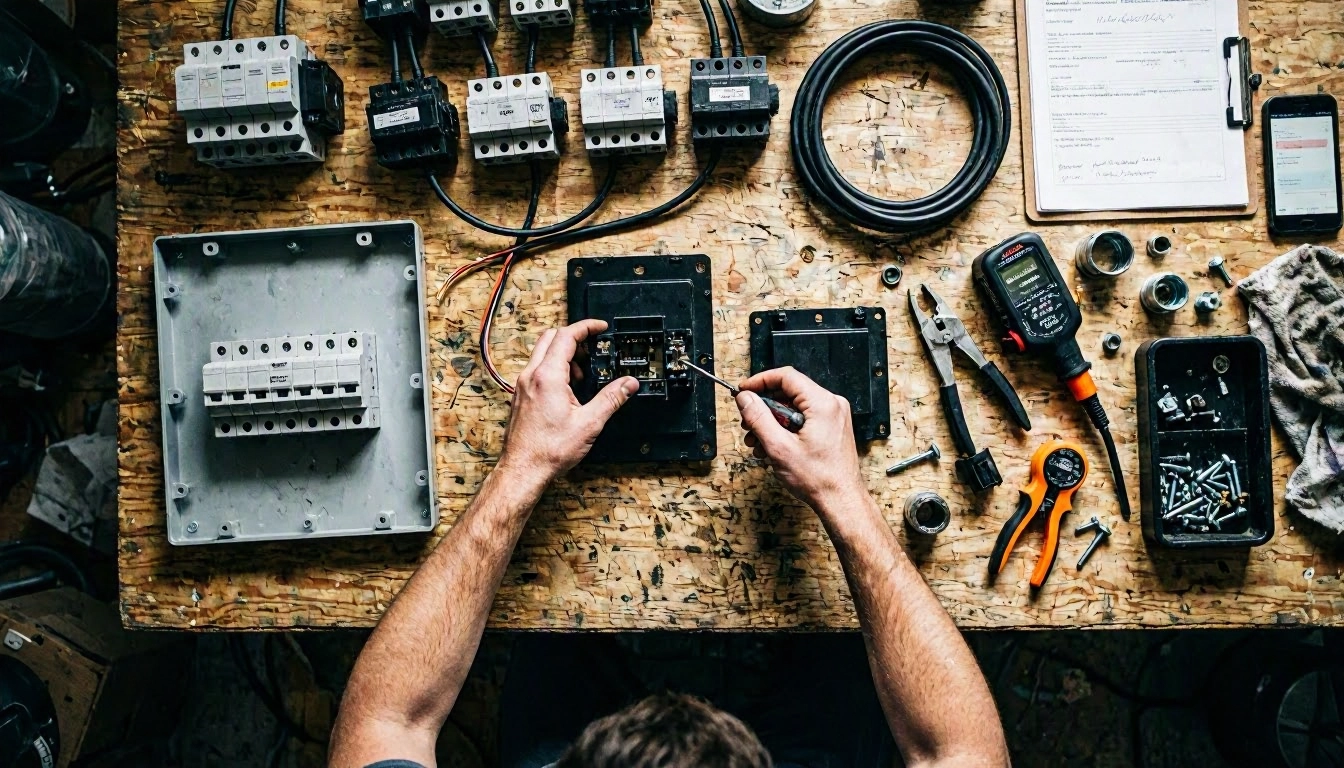
When Does EV Charger Installation Require an Electrical Panel Upgrade?
EV charger installation requires an Electrical panel upgrade when your existing panel cannot handle the added Electrical load safely, so your home can support charging without overloading circuits.
The short answer to “does an EV charger require a panel upgrade” is no, not always. It depends on your home’s Electrical load capacity, the charger type, and the breaker box condition. A basic Level 1 charger installation may work with an existing receptacle. A Level 2 EV charger usually needs a dedicated circuit and more available amperage.
We start with a panel capacity assessment and load calculation. That check shows if your home Electrical system has enough spare capacity for EV charging station setup. It also shows if the main service would be pushed past a safe limit. If the panel is already busy, a charger can cause trips or heat buildup.
Many homes in Cincinnati’s older neighborhoods still have outdated 100-amp panels or old fuse equipment. In those homes, electric vehicle charger installation often goes with panel circuit upgrade work. The existing service was not built for modern high-demand loads. Even a modest charger may leave little room for a new dedicated line.
Another common issue is limited breaker space. A Level 2 charger often needs a double-pole circuit breaker. If the panel has no open positions, we may need a larger panel or subpanel installation. That work can also include charging station wiring, new conduit, grounding updates, and replacement of worn connections.
Local code matters too. In Cincinnati, panel changes tied to EVSE installation usually need permits and a final inspection. That process helps protect the homeowner. It confirms service size, conductor sizing, breaker match, and Electrical code compliance. If moisture, corrosion, or age has damaged the equipment, an upgrade matters even more.
Can My Electrical Panel Handle an EV Charger? Signs You Need an Upgrade?
Your Electrical panel may need an upgrade if it lacks enough breaker slots, trips often, or shows wear, which means it may not safely support a new EV charger installation.
If you are asking “can my Electrical panel handle an EV charger,” the best answer comes from testing and inspection. Our team checks service amperage, open spaces, conductor condition, grounding, and total household demand. That is the clearest way to see if EV Charger Installation in Cincinnati fits your current setup. If not, larger service changes may need to come first.
Some warning signs are easy to notice. Frequent tripped breakers, flickering lights, warm panel covers, rust, buzzing, or a crowded breaker panel can signal limited capacity. An older breaker box may also have maker-specific issues or worn bus bars. That can make a new dedicated circuit a poor choice.
A Level 2 charger puts steady demand on the home Electrical system. Charging can last for hours, so the panel must support that load the whole time. That is why an Electrician will check the circuit breaker size, wire gauge, and service entrance rating. Those details matter before EVSE installation begins.
Homes with additions, finished basements, electric water heaters, or heat pumps are often closer to their limit already. In older local neighborhoods, past remodels may have filled every open space. Seasonal humidity in the area can also speed up corrosion inside older equipment. That lowers reliability before a new charger adds more demand.
If your panel is modern, has open slots, and passes a load calculation, you may not need a full replacement. If it does not, a service upgrade or subpanel can create the safe capacity you need.
How Many Breaker Slots Does an EV Charger Need and What Electrical Work Is Required?
EV chargers typically need one dedicated breaker slot, often a double-pole breaker for Level 2 chargers, plus upgraded wiring and sometimes a subpanel installation to meet Electrical code and safety standards.
Electrical Wiring Installation and Inspection for EV Chargers in Cincinnati
Proper Electrical wiring installation and inspection help your EV charger run safely and meet local Cincinnati Electrical codes, which helps prevent hazards and supports reliable charging.
The wiring side of the job matters just as much as the charger. Good Electrical wiring installation means using the right conductor size, insulation type, overcurrent protection, and path. Those choices depend on the charger’s distance and amperage. A charger with undersized wire or poor terminations may run hot, charge slowly, or fail inspection.
Our crews plan the route from the panel to the charging location with safety and durability in mind. That may mean running cable through unfinished basement areas or installing conduit along garage walls. We also seal penetrations and protect exposed sections from damage. Then we verify grounding and bonding so the charger works with the rest of the home Electrical system.
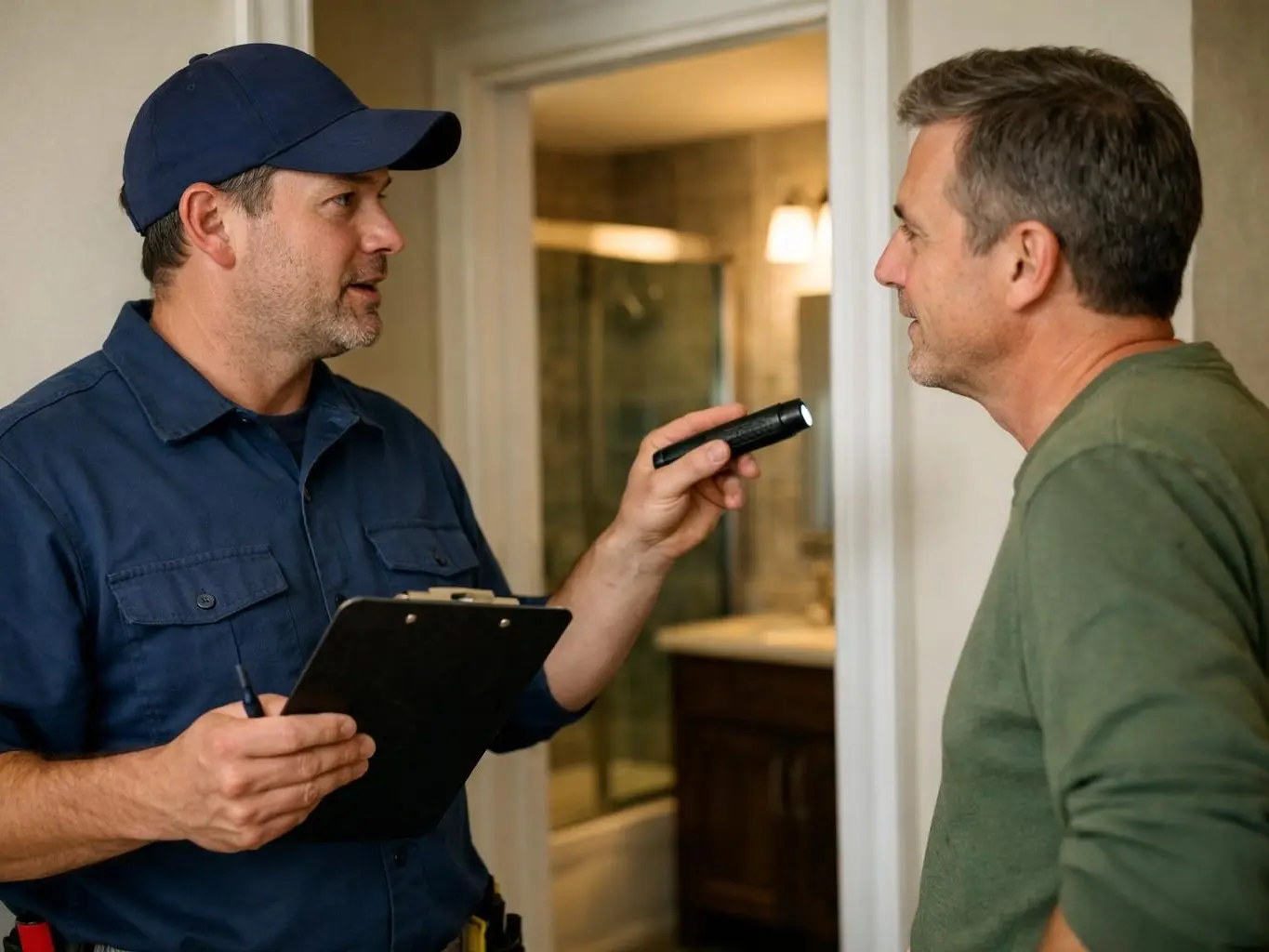
Inspection is a key part of the job. For panel replacements and new EV charging circuits, the local permit process usually requires an Electrical inspection. That matters because the inspector checks service sizing, breaker selection, wire protection, and disconnect rules when needed. It also gives the homeowner confidence that the work meets current code.
In Cincinnati, local housing stock creates a few special challenges. Older neighborhoods often have legacy panels, tight basement layouts, and past remodel wiring that needs careful tracing. Seasonal humidity can also affect panel integrity over time through corrosion or oxidation. That often shows up in damp lower levels and attached garages.
Whether the project is a simple Level 1 charger installation or a larger Level 2 charger installation, we take inspection seriously. Safe EVSE installation depends on neat work, clear labeling, and a final check under real load.
Scenarios When You Need Both EV Charger Installation and Electrical Panel Upgrade
Common scenarios requiring both EV charger installation and panel upgrade include homes with outdated panels, low breaker capacity, multiple high-demand appliances, plans for Level 2 charger installation, and older wiring systems.
These are the cases where both services often overlap. The charger may reveal the problem, but the real issue is usually the age, size, or condition of the home’s Electrical services.
When we find one of these conditions, we usually suggest fixing the service first. Then the charger can run on a stable, code-compliant dedicated circuit. That helps reduce tripping, prevent overheating, and leave room for future upgrades.
If a full replacement is not needed, a targeted panel circuit upgrade or subpanel installation may be enough. The right answer comes from load testing, equipment condition, and permit rules, not guesswork.
Frequently Asked Questions
If you want a clear answer before buying a charger, our team can assess your panel, wiring path, and permit needs. Then we'll recommend the safest route for EV Charger Installation or Electrical Panel Upgrade.
Contact our team to schedule an evaluation.
Related Resources
How an Electrical Inspection Works
how does an Electrical inspection work
How It WorksWhat to Expect During an Electrical Panel Upgrade
How It WorksHow EV Charger Installation Works at Home
how does ev charger installation work
What to AvoidCircuit Breaker Tripping Mistakes Homeowners Make
circuit breaker tripping mistakes