How Generators, Transfer Switches, and Whole-Home Surge Protection Work Together in Cincinnati, OH
In Cincinnati, generator installation requires a transfer switch to safely connect your whole-house generator, while whole-home surge protection safeguards your Electrical system from power surges during generator use.
Understanding Generator Installation, Transfer Switches, and Whole-Home Surge Protection
Generator installation in Cincinnati includes a transfer switch. Whole-home surge protection for safe power and better equipment protection. These three parts work together as one backup power system. They are not separate add-ons.
When utility power goes out, the generator supplies temporary electricity. The switch moves the home from utility power to generator power. The surge device helps block a voltage spike from damaging appliances and electronics. That is the basic answer to the search for generator installation transfer switch whole house surge protector.
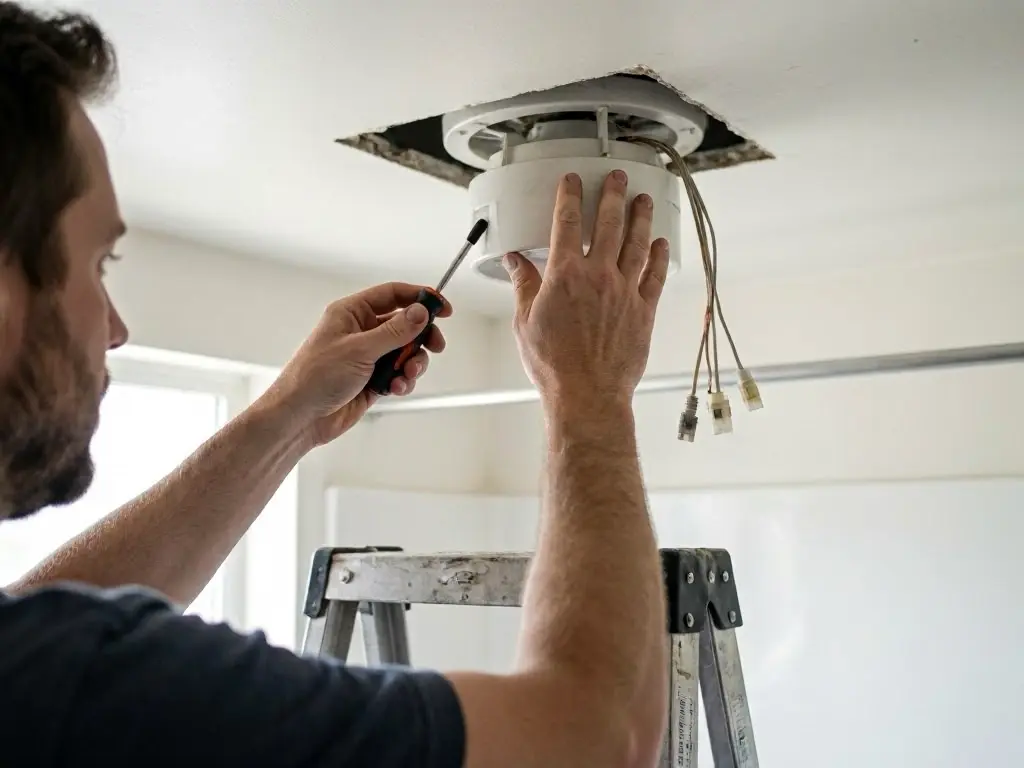
A proper backup generator installation starts with load planning. Equipment sizing, and a check of the main Electrical panel. Then our team looks at generator placement the wiring path. We also check if the panel can handle the new Electrical installation. In some homes, an Electrical panel upgrade comes first for safe operation.
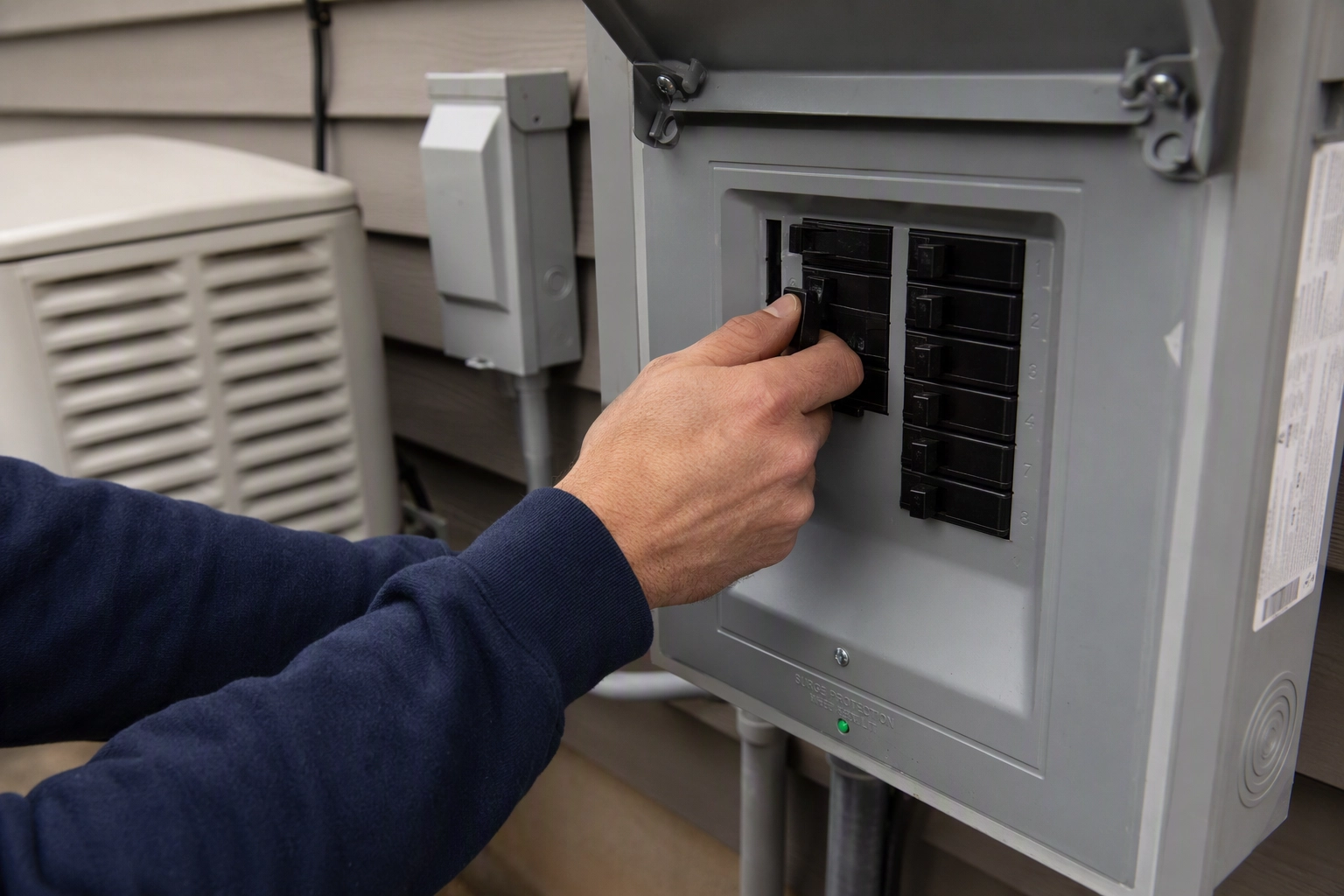
The transfer equipment may be a manual transfer switch an automatic transfer switch. Both stop backfeed into utility lines. That danger can hurt utility crews and damage equipment. Local Electrical codes require transfer switches for safe generator connections in Cincinnati.
Whole-home surge protection adds another layer of home Electrical safety. A whole-house surge protector, also called a surge arrester. Surge protection device, usually sits at the service equipment. There, it can intercept excess voltage before it reaches branch circuits. Cincinnati storms raise surge risk. This matters even with standby power.
Winter outages also shape local demand. Ice, wind, and heavy snow can interrupt utility service fast. Homeowners want smoother power changes during generator start-up and shutdown. For many homes, Generator Installation in Cincinnati works best with Transfer Switch Installation and a full inspection by a licensed Electrician.
What Does a Generator Transfer Switch Do and Why Is It Needed?
A generator transfer switch safely switches power sources between the utility and your generator. Preventing backfeed and ensuring your whole-house generator operates securely and efficiently. It controls the power transition. The home is fed by one source at a time.
The main job of a transfer switch is isolation. It disconnects the home from utility power before it connects generator power. Without that separation, a generator can send electricity into outside lines. That risk makes the switch a core safety part of any standby setup.
There are two common types. A manual transfer switch requires someone to move the home to generator power by hand. An whole-house generator setup often uses an automatic transfer switch. It senses an outage, starts the generator, waits for stable output, and shifts the load.
This process protects convenience and equipment. During a sudden outage, electronics, HVAC systems, refrigerators, and networking gear can face unstable voltage. A well-installed transfer switch panel helps manage that change cleanly. It also lets us choose full-panel power or selected circuits.
In practice, the switch is needed because safe generator use takes more than plugging in equipment. It is part of a complete transfer switch setup tied to the panel, grounding, and code rules. Some homeowners want to skip it to save money. That can create serious safety issues and fail inspection. In Cincinnati, secure switching turns a generator into a dependable backup power source.
Do You Need a Transfer Switch for a Whole-House Generator?
Yes, a whole-house generator needs a transfer switch because the generator must never energize utility lines directly. The switch makes the connection safe, legal, and usable for normal home operation.
For most standby systems, this is not really optional. A whole-house unit connects to the home's distribution equipment. It needs a manual transfer switch. More often, an automatic transfer switch. The switch keeps utility and generator power separated. Allows a controlled return to normal service.
It also affects daily use. Without the right switching equipment, you cannot manage circuits well protect linemen from backfeed. You also may not pass inspection. In many homes, the transfer gear sits beside the main service equipment.
If you are installing a true whole-home standby system, you need the switch. It makes the generator a safe part of the house. Without it, the generator stays a separate machine.
Where Is a Whole-Home Surge Protector Installed with a Generator?
Whole-home surge protectors are installed at the main Electrical panel. Subpanel near the transfer switch to shield your home's Electrical system from surges caused by generator operation or external sources. Location matters because the device works best where surge energy first enters distribution equipment.
In most homes, a whole-home surge protector is mounted at the main Electrical panel. If the generator system has a dedicated transfer switch panel or subpanel, we may place surge protection there too. The layout and manufacturer rules help guide that choice. The goal is to protect the home Electrical system where power is first distributed.
That setup helps with two kinds of events. First, it reduces damage from outside utility problems, including lightning-related voltage surge conditions. Second, it helps absorb switching spikes during generator start-up, shutdown, or source changes. No surge arrester stops every event. A properly sized device is a strong first layer of protection.
Placement depends on access, breaker space, grounding, and generator design. Some homes need protection only at the service panel. Others benefit from layered surge protection device placement. Especially with detached structures or sensitive electronics. Cincinnati's seasonal thunderstorms make panel-level protection a smart part of the same project.
During generator installation, our team also checks bonding and conductor routing. Those details help the protector do its job. Correct placement near the service equipment. Transfer parts gives it the best chance to limit harmful spikes.
How Generator and Automatic Transfer Switch Surge Protection Work Together?
Surge protection integrated with generators. Automatic transfer switches prevents damage from voltage spikes during power transitions, ensuring continuous, safe power supply to your home. The generator makes power available, the switch manages the changeover, and the protector helps absorb damaging spikes.
A standby generator does not replace surge protection. In fact, source changes can expose sensitive equipment to unstable conditions. An automatic transfer switch moves the load in sequence. It senses an outage, starts the generator, checks output, and transfers the load.
That is where surge protection comes in. A service-mounted surge protection device. Whole-house surge protector diverts excess voltage away from the panel and branch circuits. Together, the automatic transfer switch. Protective device improve power quality during each power transition. This is the practical answer to the search for generator automatic transfer switch surge protection.
The combination helps homes with variable-speed HVAC equipment, computers, routers, smart appliances, garage door openers, and modern kitchen electronics. These devices can react badly to even short surge events. During winter power outages in Cincinnati. Clean power changes matter for heat, refrigeration, and sump equipment.
Our crews also check grounding, neutral handling, and panel condition. Those details affect how the full system performs. If the service equipment is outdated. Surge protection alone will not fix the problem. In those cases, panel improvements. Wiring changes may be needed for long-term reliability.
When Do You Need Both Generator Installation and Whole-Home Surge Protection Together?
You need both generator installation. Whole-home surge protection when ensuring safe backup power during outages. Protecting sensitive electronics, preventing surge damage from power transitions, upgrading Electrical panels, and complying with local safety codes. Pairing them at the same time usually gives better protection and cleaner planning.
These situations are common in both older and newer homes. If the service panel is full, the grounding is dated, or the home has many connected devices, adding both systems together can save repeat labor. It also makes final testing easier.
Additional Electrical Services Supporting Generator and Surge Protection Installation
Electrical panel upgrades, wiring installation, and inspections are essential services that support safe and compliant generator and surge protection system installations in Cincinnati homes. These supporting steps often decide whether the main project works smoothly and passes inspection.
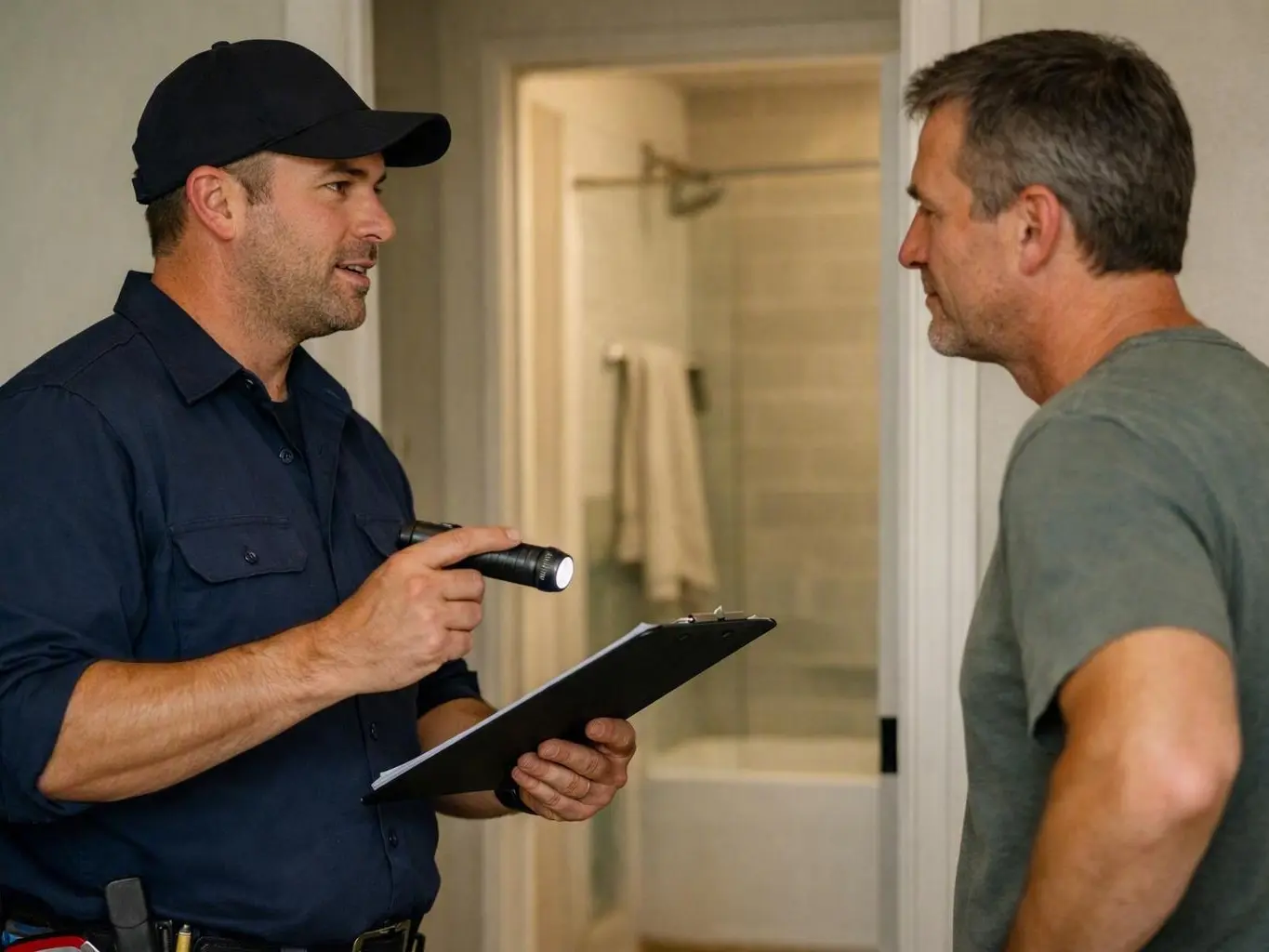
One common need is an Electrical inspection before work begins. We review panel condition, grounding, service size, breaker space, and the path for new conductors. That helps us find issues that could affect a transfer switch setup. It also shows what may limit a surge protection device.
Some homes also need Electrical wiring installation for generator feeders. Control wiring, or new dedicated circuits. If the service equipment is undersized or outdated. An Electrical panel upgrade may be the right first step. Those upgrades can create room for the transfer switch panel. They can also support a safer connection to the backup power system.
We also handle Transfer Switch Installation as part of the larger job. That may mean manual controls or a service-rated automatic unit. By treating the project as one coordinated Electrical installation. Our team can build a system that is safer easier to maintain. It also leaves your home better prepared for Cincinnati weather and utility outages.
Frequently Asked Questions
If you want a safer backup power system with coordinated switching and surge protection. Our team can review your panel, generator plan, and code needs for your home.
Contact our team to schedule an evaluation.
Related Resources
How an Electrical Inspection Works
how does an Electrical inspection work
How It WorksWhat to Expect During an Electrical Panel Upgrade
How It WorksHow EV Charger Installation Works at Home
how does ev charger installation work
What to AvoidCircuit Breaker Tripping Mistakes Homeowners Make
circuit breaker tripping mistakes